Loading
Loading content, please wait.Strain Lineage
Purple Cannabis Seeds
Shop purple cannabis seeds — Granddaddy Purple, Purple Punch, Purple Kush genetics. Heavy indica, grape and berry terpenes.
6 Strains Available3 Hybrid2 Indica1 Indica-dominant Hybrid
4.8 / 5 · 820 reviews
Free US Shipping over $99
15,000+ orders shipped
Purple cannabis carries a recessive gene from cool-climate landraces — particularly the Afghani highlands and the Pacific Northwest — that expresses anthocyanin pigments when temperatures drop during flowering.
Strains like Granddaddy Purple, Purple Punch, and Purple Kush deliver heavy indica relaxation alongside bag appeal that's still unmatched on the dispensary shelf. The flavor leans grape, berry, and lavender; the effect leans body-heavy and sleep-inducing. Our Purple catalog focuses on strains that color reliably without sacrificing potency or terpene expression.
6 Purple strains in stock
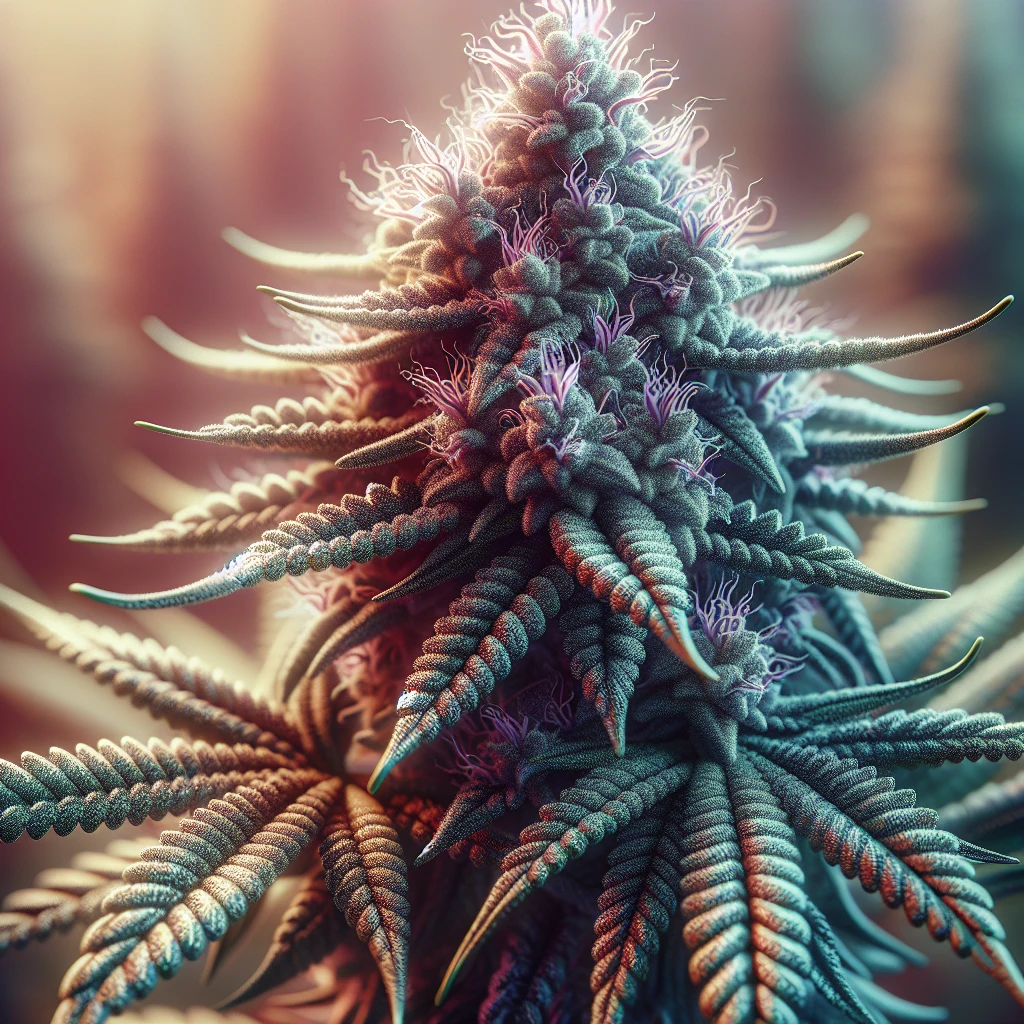
Indica
Granddaddy Purple
THC17–23%
- Type:
- Indica
- CBD:
- 0.1-1%
- Flowering:
- 8-11 weeks
$16.80View Details
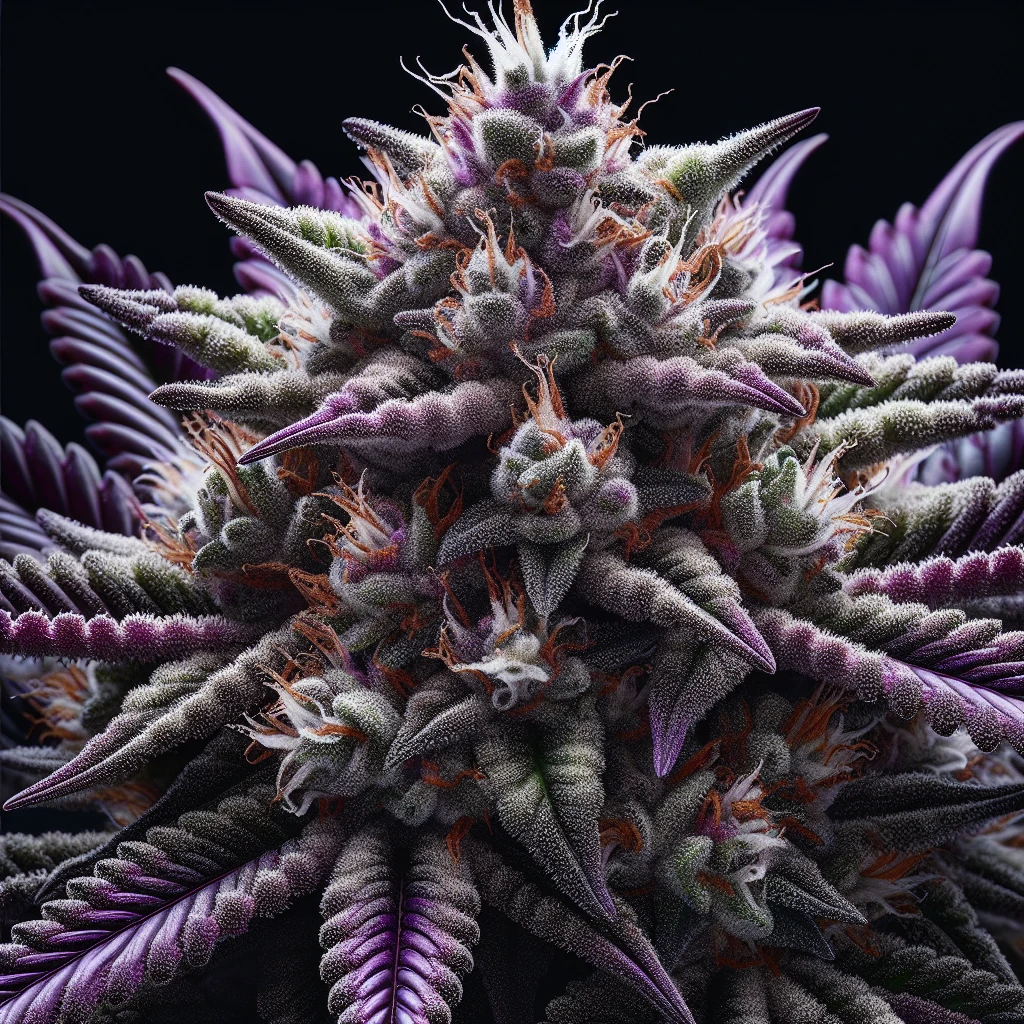
Hybrid
Granddaddy Purple Autoflower
- Type:
- Hybrid
Granddaddy Purple Autoflower takes the Purple Urkle and Big Bud foundation of the original GDP and rebuilds it around Ruderalis genetics, producing a plant that shifts from vegetative growth to flowering based on age — no light-cycle management required. The result is 75% indica, 20% sativa, and 5% Ruderalis, with around 19% THC and the same grape-and-berry aromatic signature as its photoperiod relatives, though the cultivation experience is meaningfully different from any of the photoperiod GDP variants. Where the photoperiod Granddaddy Purple can push past 150 cm and demands a deliberate flip, the auto version stays compact — typically 100–140 cm indoors — and wraps seed-to-harvest in roughly 8–9 weeks from germination. That compressed timeline has specific appeal for outdoor growers in New England: Boston, MA's frost-free window spans roughly late May through mid-October. A June 1 seed start finishes in mid-August, leaving the option for a second container run before September ends. Two harvests from a single outdoor season isn't realistic with any photoperiod indica; with this auto, it's a practical goal. The grape, berry, and subtle earthiness of the original GDP translates well into the autoflower format. Effects lean toward the body-heavy, relaxing side of the indica spectrum — tension release, mood lift, eventual physical ease — in an experience that mirrors the classic GDP profile without requiring the vegetative investment. Myrcene, caryophyllene, and pinene make up the core terpene triad here, the same trio that defines the broader Granddaddy Purple lineage. Autoflower Grow Tips Plant directly in the final container to avoid transplant stress — roots disturbed mid-lifecycle can stunt auto plants permanently Fabric pots improve drainage and air-pruning, supporting the dense root mass this indica-heavy genetics develops Outdoor yields run 70–120 g per plant; indoor under good lighting can reach 375–450 g/m² Stagger plantings two to three weeks apart to extend the harvest window across the whole summer
$16.80View Details
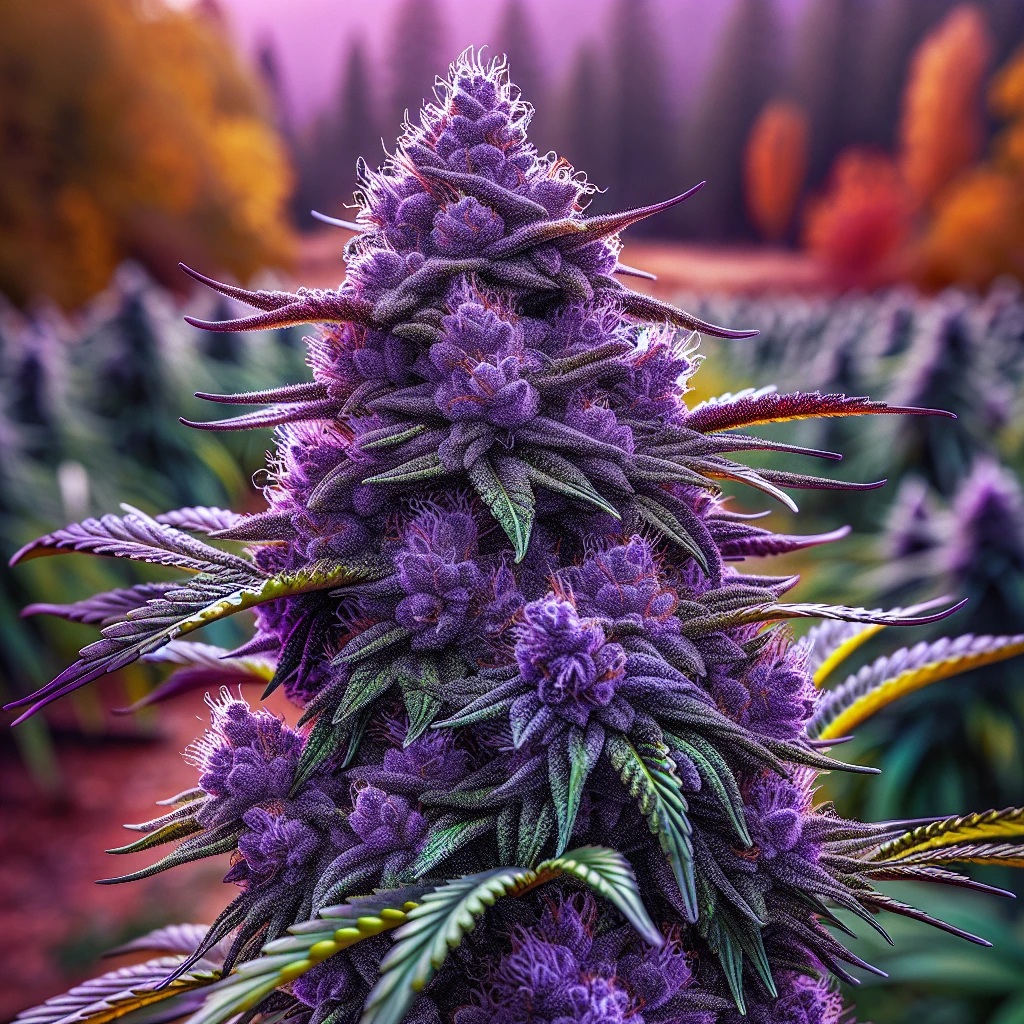
Indica
Purple Kush
THC17–22%
- Type:
- Indica
- CBD:
- 0.1-0.5%
- Flowering:
- 8 weeks
$16.80View Details
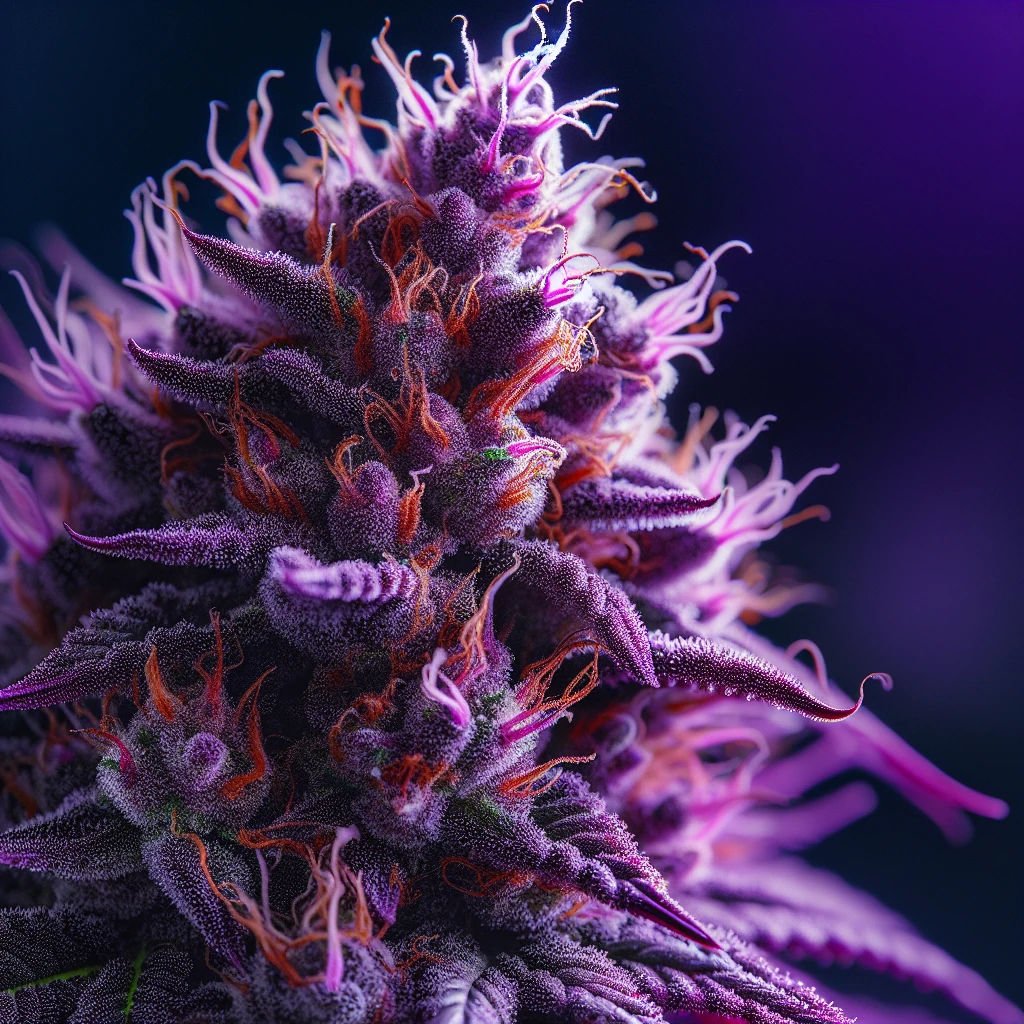
Hybrid
Purple Kush Autoflower
- Type:
- Hybrid
Where the photoperiod Purple Kush waits for the calendar to tell it when to flower, the autoflowering version operates on its own internal clock. Ruderalis genetics woven into the Purple Kush lineage — Hindu Kush crossed with Purple Afghani at the base — remove the plant's dependence on a light-schedule trigger entirely. From the moment a seed germinates, the clock is running. Expect seed to harvest in roughly 8 to 9 weeks regardless of how many hours of light the plant receives each day. That autonomy is the single most compelling reason a Boston, MA grower should consider this variety. New England's frost-free outdoor window is short — typically mid-May through early October, and even that is optimistic depending on the year. A full photoperiod indica strain might not finish before temperatures drop below safe levels. Purple Kush Autoflower sidesteps that problem entirely. Started outdoors in late May or early June, the plant flowers without any intervention and can hit harvest well before September frosts become a concern. The compact stature — most plants top out between 40 and 80 centimeters — keeps it discreet on a patio, balcony, or tucked behind raised beds, which matters under Massachusetts' 6-plant home-grow limit where every plant needs to earn its footprint. Aroma, Effects, and What to Expect The terpene profile mirrors what made the original Purple Kush a staple: myrcene and caryophyllene provide earthy, slightly spiced depth, while linalool and a touch of ocimene push a sweet grape and berry quality into the nose. Buds develop the same dense, resinous structure as the photoperiod parent, and cool autumn nights — common in New England even through late summer — encourage the deep purple hues that give the strain its name. THC typically runs in the 17–20% range, delivering a heavy, full-body relaxation that starts behind the eyes and spreads downward into the limbs. It is a strain for unwinding, not for productive afternoons. Seed to harvest: approximately 8–9 weeks from germination Plant height: 40–80 cm, suited for patio and balcony grows Aroma: earthy, grape, sweet berry with spiced undertones Effect profile: heavy indica body relaxation, deeply sedative THC: typically 17–20% Because the auto lifecycle runs continuously, growers who start a second round of seeds indoors under grow lights in July or August can overlap harvests and extend their season well into the cold months. A winter tent grow in a New England home is entirely viable with this variety — the compact size suits a 2×2 or 3×3 tent without overcrowding, and the fixed lifecycle makes planning straightforward. Resin production is generous given the plant's size, and the dense bud structure rewards a slow, even dry to protect the grape and berry aroma through cure.
$16.80View Details
Hybrid
Purple Punch Autoflower
- Type:
- Hybrid
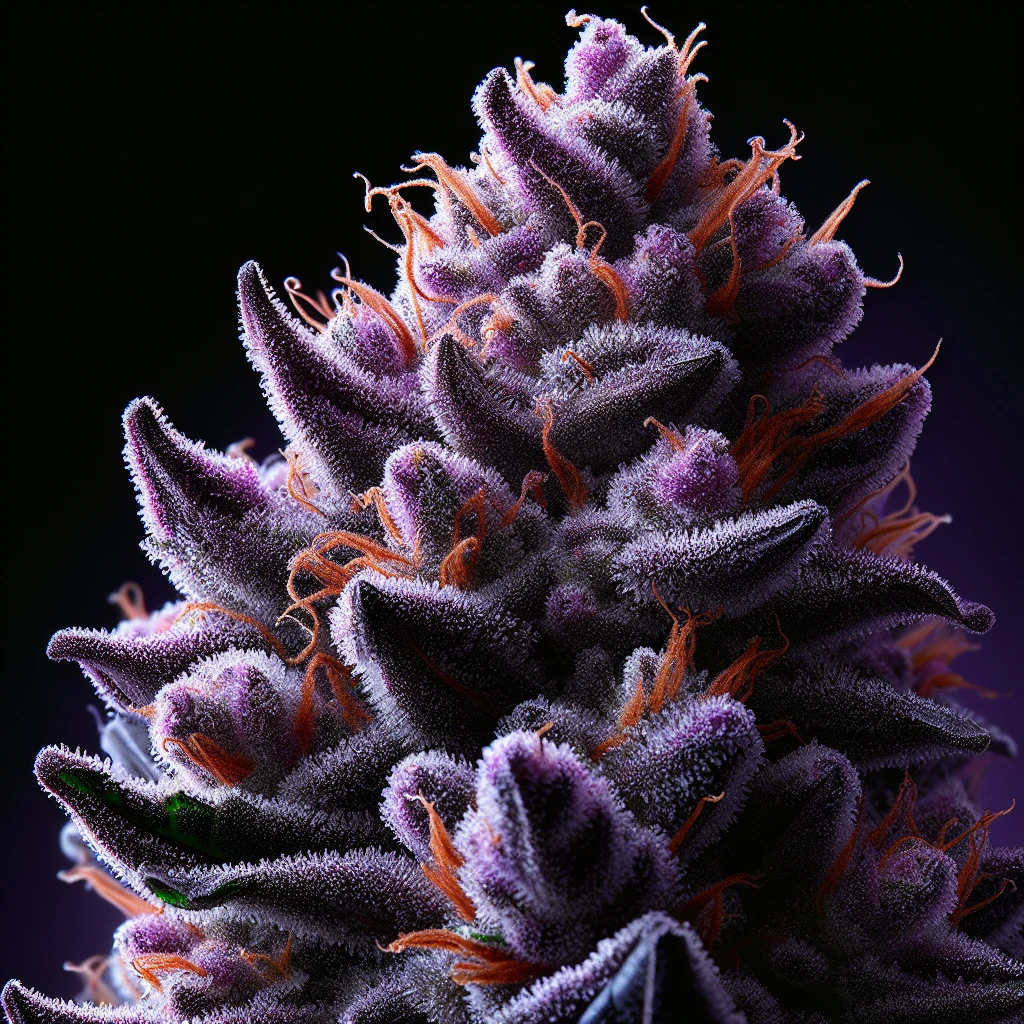
Purple Punch Autoflower seeds are a standout choice for collectors, celebrated for their rich lineage, vibrant coloration potential, and unique aromatic profile. Known for their exceptional genetics and sensory appeal, these seeds are a perfect addition to any premium collection. Available at The Seeds Depot, they represent quality and innovation in seed development.
View Details
Indica-dominant Hybrid
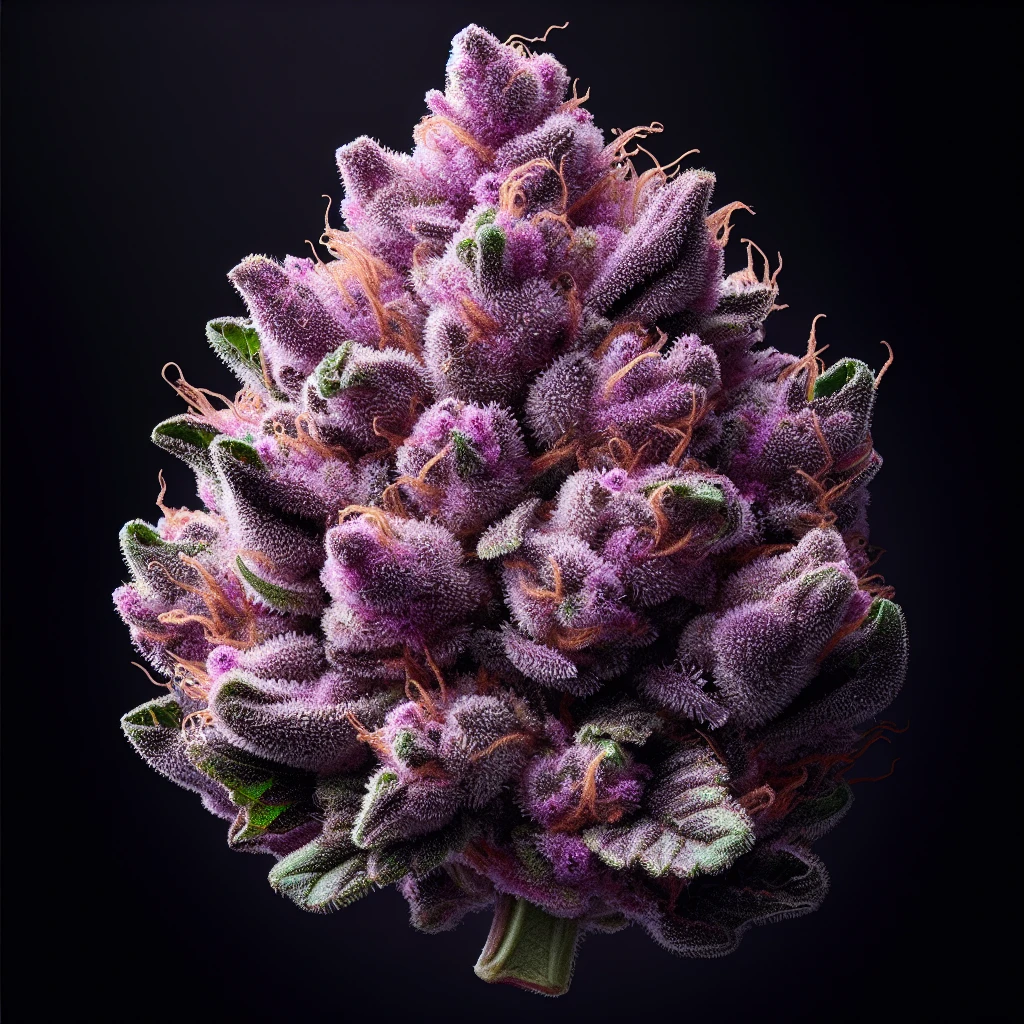
Purple Starfruit
THC20–22%
- Type:
- Indica-dominant Hybrid
- CBD:
- 0.1-0.5%
- Flowering:
- 8-9 weeks
View Details
Compare every Purple seed variety
THC and CBD ranges, flowering windows and current pricing for all 6 Purple varieties in the catalog, side by side.
| Variety | Type | THC | CBD | Flowering | Price |
|---|---|---|---|---|---|
| Granddaddy Purple | Indica | THC17–23% | 0.1-1% | 8-11 weeks | $16.80 |
| Granddaddy Purple Autoflower | Hybrid | — | — | — | $16.80 |
| Purple Kush | Indica | THC17–22% | 0.1-0.5% | 8 weeks | $16.80 |
| Purple Kush Autoflower | Hybrid | — | — | — | $16.80 |
| Purple Punch Autoflower | Hybrid | — | — | — | — |
| Purple Starfruit | Indica-dominant Hybrid | THC20–22% | 0.1-0.5% | 8-9 weeks | — |
About Purple Cannabis Seeds
The purple coloration isn't a strain effect — it's a stress response. When night-time temperatures drop below about 60°F during the last 2-3 weeks of flower, chlorophyll breaks down and the underlying anthocyanin pigments become visible. Some strains carry the genetics to express this strongly; most don't. The visual difference at harvest is the reason Purple strains command a premium at dispensaries even when potency is average.
Growers chasing purple buds run their lights-off temperature lower than usual in late flower — sometimes intentionally dropping it to 55°F — to coax the color out. This works for genetically purple strains and does nothing for strains that don't carry the gene.
Flavor-wise, Purple lineage runs grape, blueberry, lavender, and sweet-cream — driven mostly by myrcene, linalool, and pinene. The effect is the heaviest in this catalog: deep body relaxation, slowed thought, eventual sleep. Most Purple strains lean 80%+ indica and produce a high that's hard to confuse with anything else.
Purple seeds — frequently asked questions
Did You Know?
10/5/2026