Loading
Loading content, please wait.Strain Lineage
Kush Cannabis Seeds
Shop our full Kush lineage — landrace-derived indica genetics from OG Kush, Bubba Kush, Master Kush, and modern crosses, with germination guaranteed.
21 Strains Available10 Hybrid7 Indica-dominant Hybrid4 Indica
4.8 / 5 · 820 reviews
Free US Shipping over $99
15,000+ orders shipped
Kush is the genetic backbone of modern cannabis. Born in the Hindu Kush mountain range straddling Afghanistan and Pakistan, these landrace indicas were brought to the West by hash hunters in the 1970s and crossbred into nearly every commercial hybrid you can buy today.
Pure Kush strains run heavy and sedating — earthy pine, sandalwood, a touch of fuel on the exhale — while modern crosses like OG Kush, Bubba Kush, and Master Kush soften the edges with hybrid vigor and yield. Our Kush catalog covers the spectrum from old-school landrace replicas to award-winning crosses, all selected for stable phenotypes and reliable flowering times.
21 Kush strains in stock
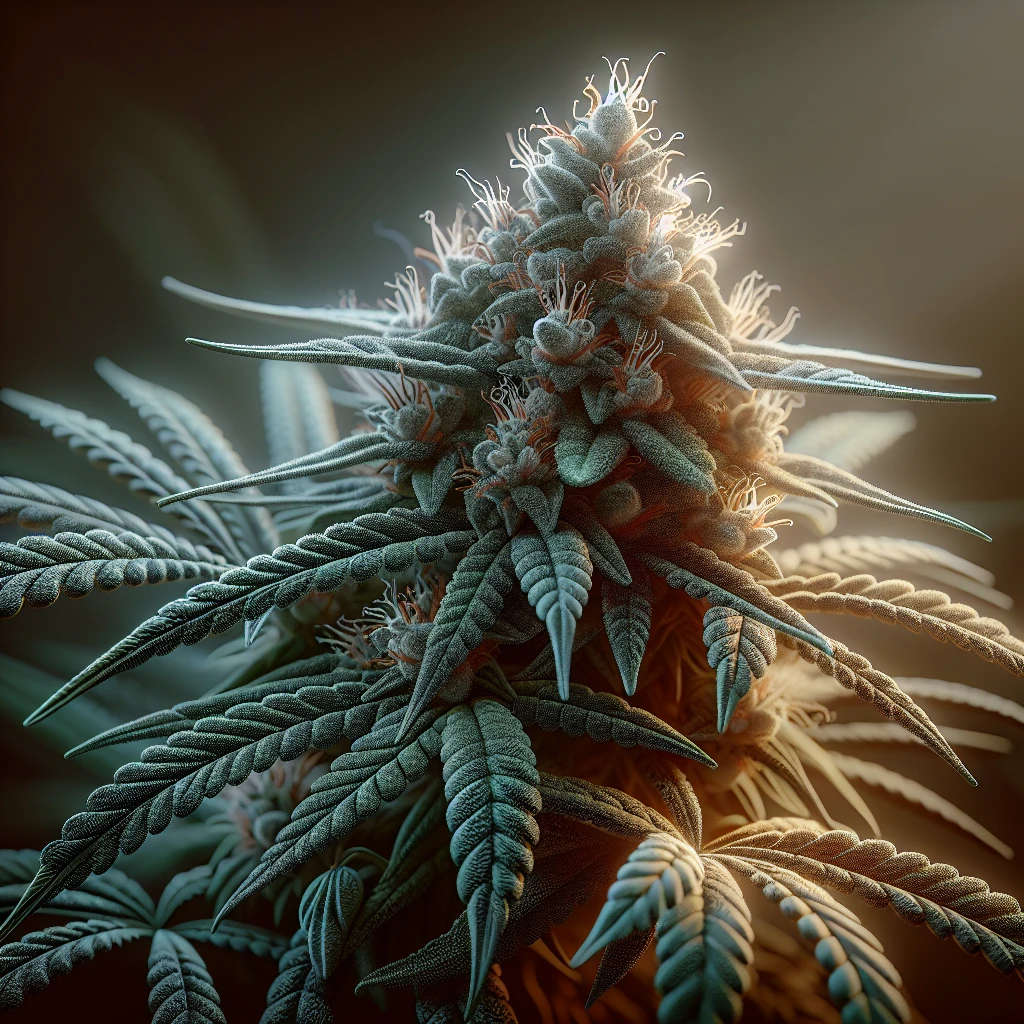
Indica
Afghan Kush
THC16–21%
- Type:
- Indica
- CBD:
- 0.1-0.5%
- Flowering:
- 7-8 weeks
View Details
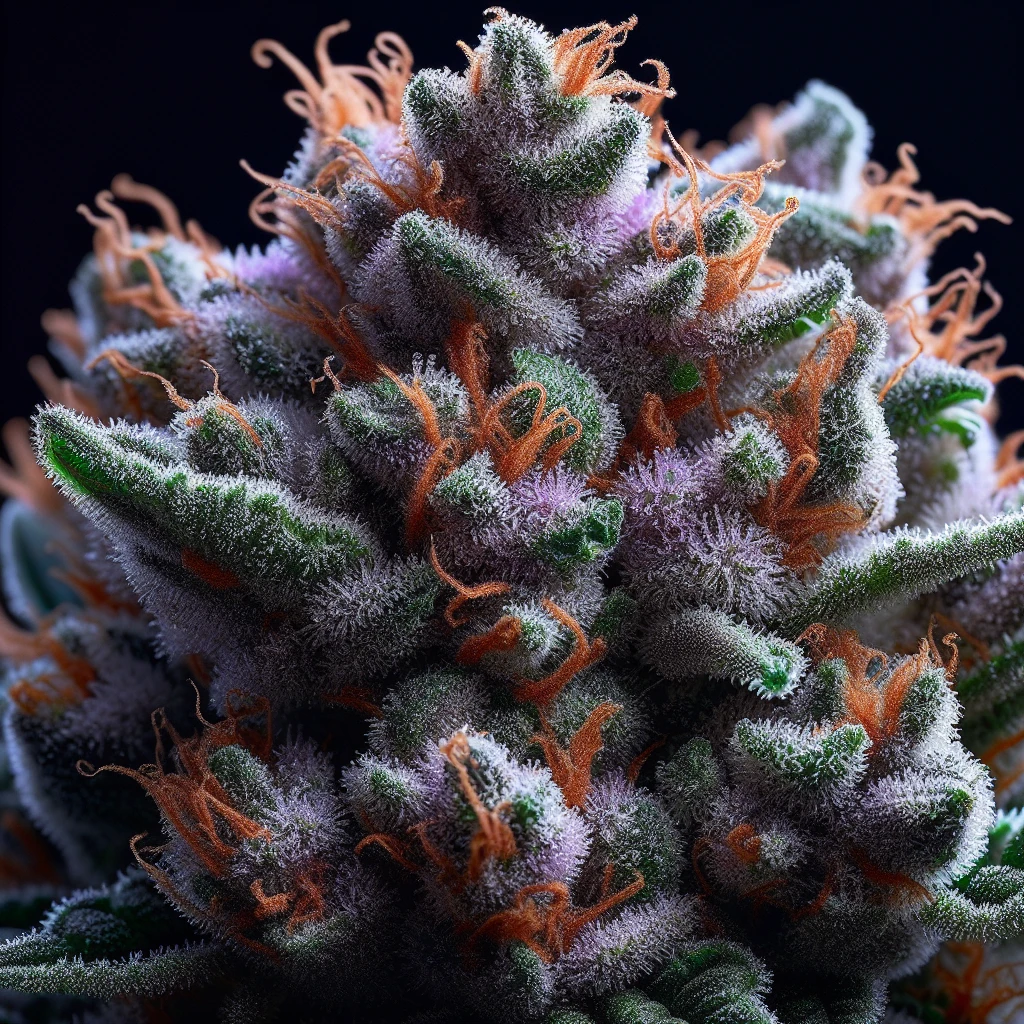
Hybrid
Blackberry Kush
- Type:
- Hybrid
\r\n Berry Aroma: Strong blackberry scents enhance relaxation. \r\n Visually Striking: Dark purple buds, rich in trichomes. \r\n Medicinal Benefits: Ideal for pain relief and sleep. \r\n\r\nBlackberry Kush seeds germinate into vibrant plants with a visually striking appearance, featuring dark purple buds and a heavy dusting of crystal trichomes. These seeds produce plants that emit a deep berry aroma, intertwined with earthy undertones, delivering a soothing, sleep-inducing effect. The strain is admired for its potent medicinal properties, making it a top choice for pain relief and relaxation at the end of a long day.
$14.80View Details
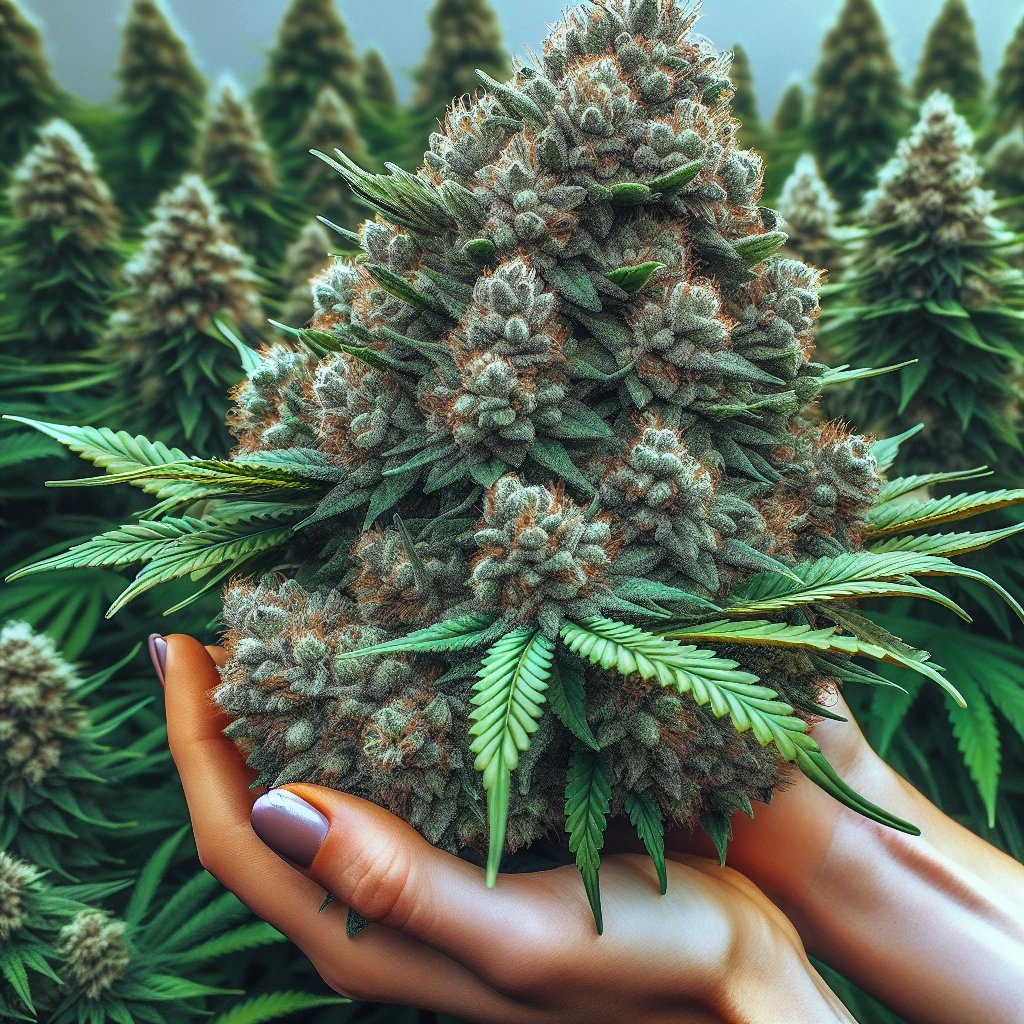
Indica
Bubba Kush
THC14–22%
- Type:
- Indica
- CBD:
- 0.1-0.6%
- Flowering:
- 8-9 weeks
$16.80View Details
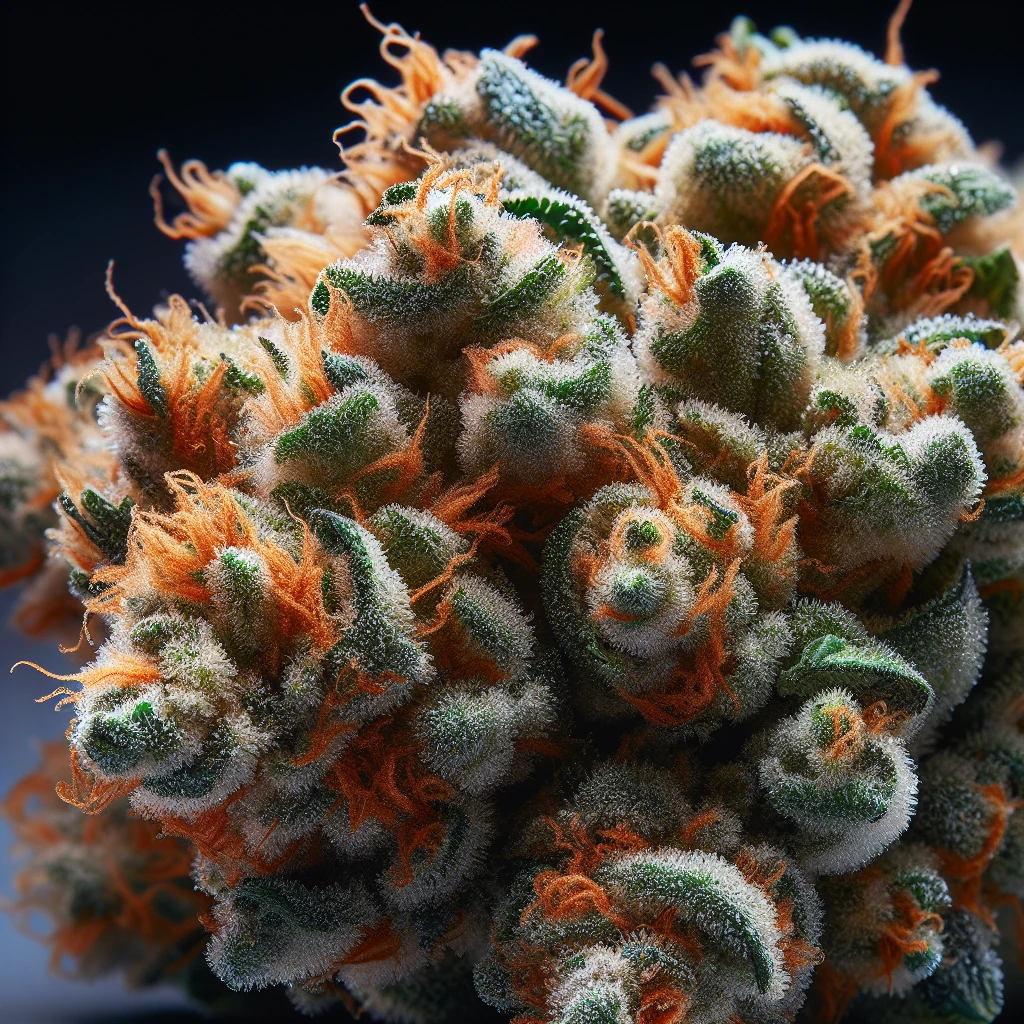
Hybrid
CBD Kush
- Type:
- Hybrid
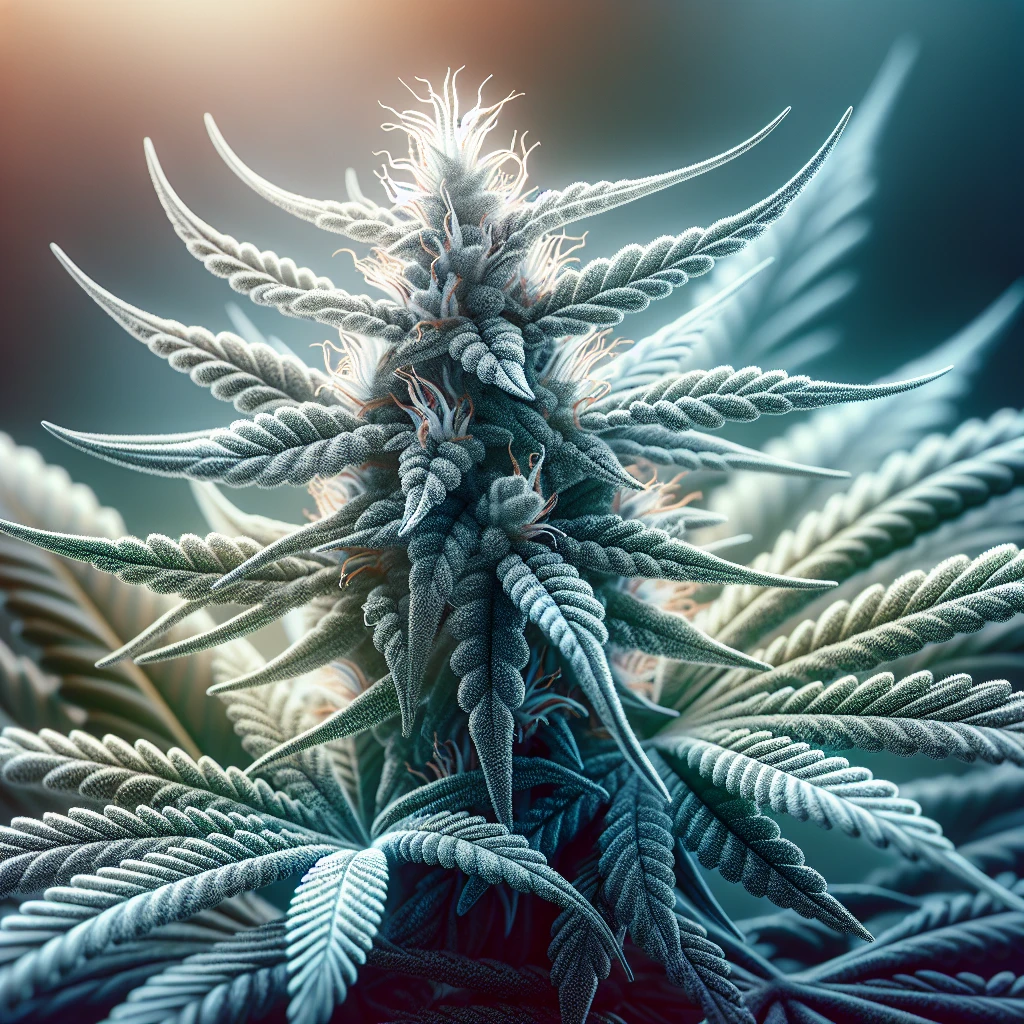
CBD Kush, a carefully engineered hybrid strain, combines the genetics of Kandy Kush with a high-CBD strain, resulting in a plant known for its therapeutic benefits with minimal psychoactive effects. The introduction of ruderalis genetics enhances its growth by enabling autoflowering, ensuring the plant flowers based on age rather than light cycles.
$14.80View Details
Hybrid
CBD Kush Autoflower
- Type:
- Hybrid
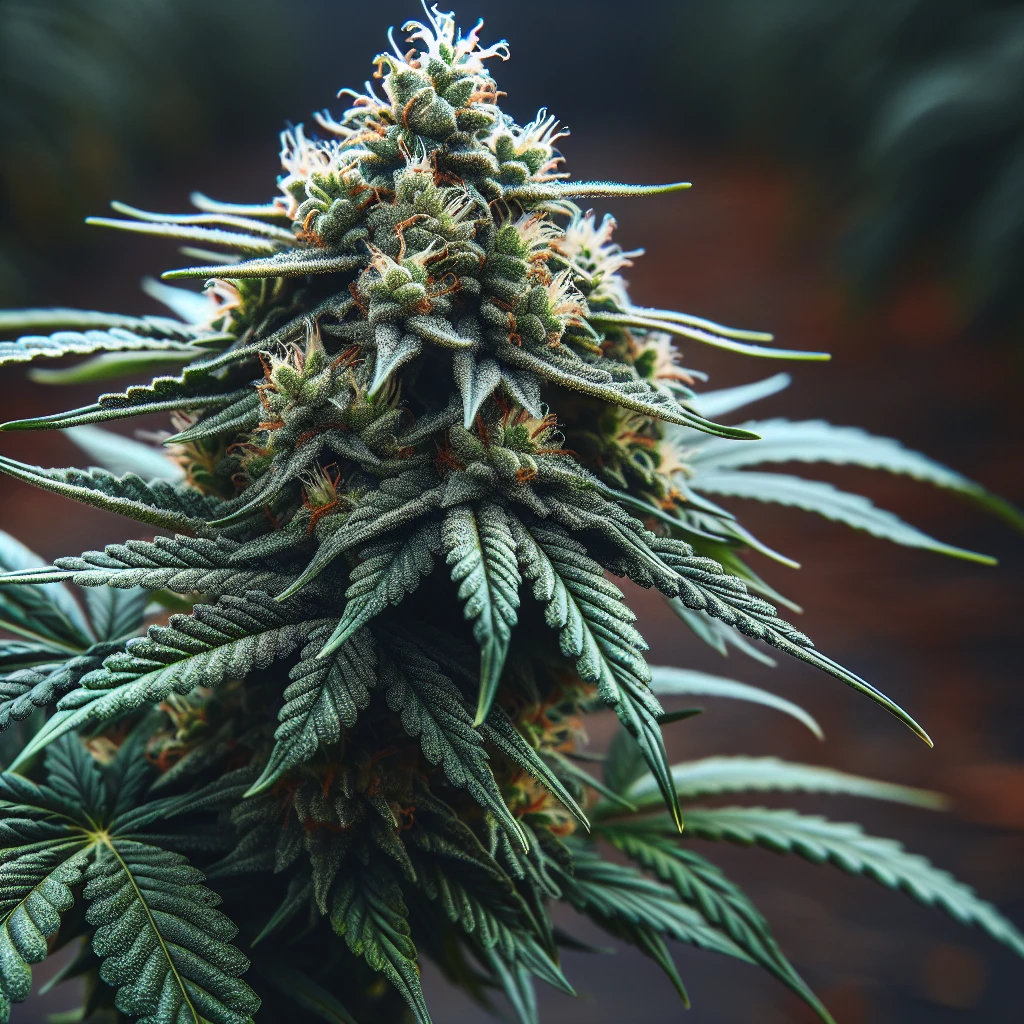
CBD Kush Autoflower seeds are a result of crossing Kandy Kush with a high-CBD strain and incorporating ruderalis genetics. This blend creates a balanced 50/50 indica-sativa hybrid that thrives in various growing conditions. The introduction of ruderalis genetics enables the strain to flower automatically, making it ideal for both novice and experienced growers.
$14.80View Details
Hybrid
Candy Kush
- Type:
- Hybrid
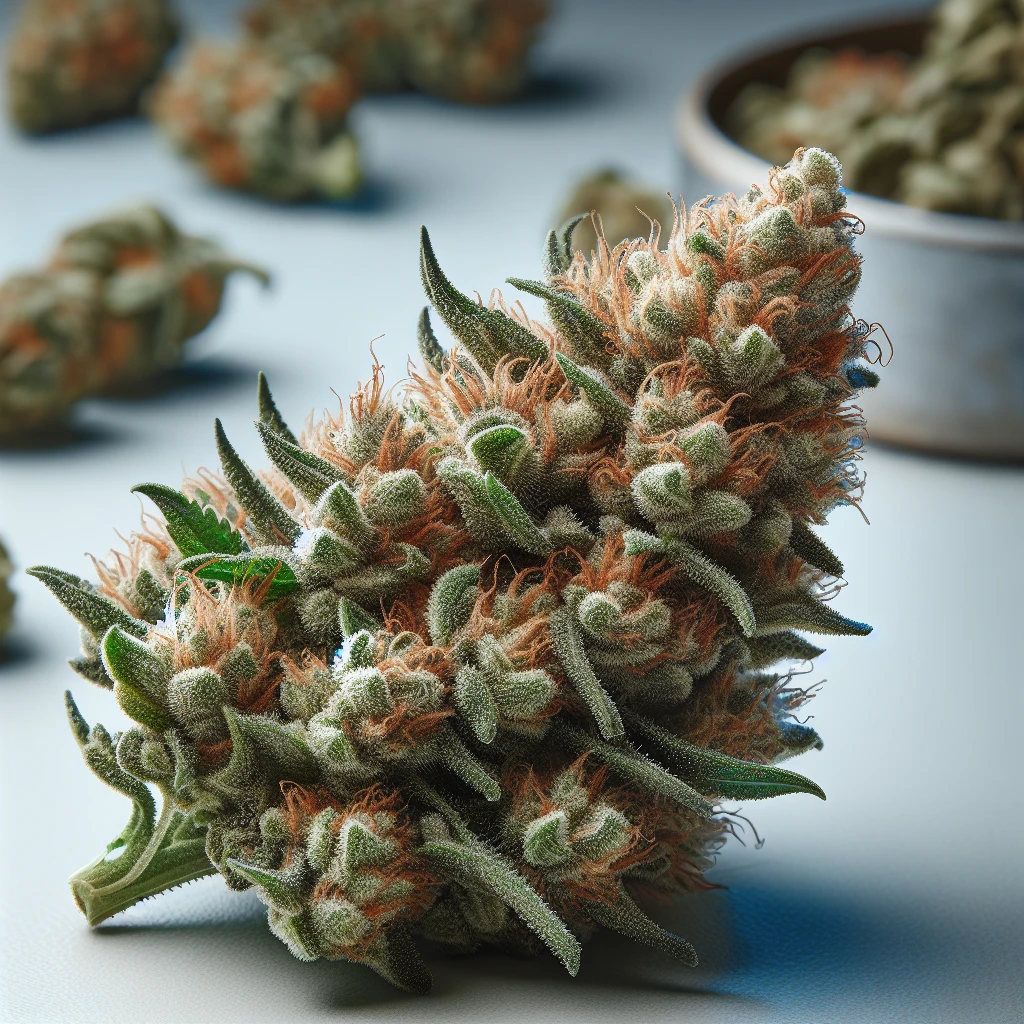
Candy Kush is a cross of Sweet Special and Royal Kush, and those two names account for the split personality the strain is known for. Sweet Special contributes the sugary, candy-like aroma and the resilience the line is valued for; Royal Kush contributes a heritage that traces back through Afghani genetics and brings the sedative weight underneath. The sweetness reaches you first, sugary and confectionery with hints of citrus and a base of earthiness that the Kush side supplies. Buds come dense and frosty, and the flavour follows the nose closely, delivering a smooth, sweet smoke rather than anything sharp. The effect reflects the same division. An uplifting euphoria opens the session on the Sweet Special side before the Afghani-descended Royal Kush lineage moves the experience toward deep relaxation, a balance that suits both recreational and late-evening use.
$14.80View Details

Indica-dominant Hybrid
Cupid's Kush
THC18–20%
- Type:
- Indica-dominant Hybrid
- CBD:
- 0.1-0.5%
- Flowering:
- 8-9 weeks
View Details
Indica
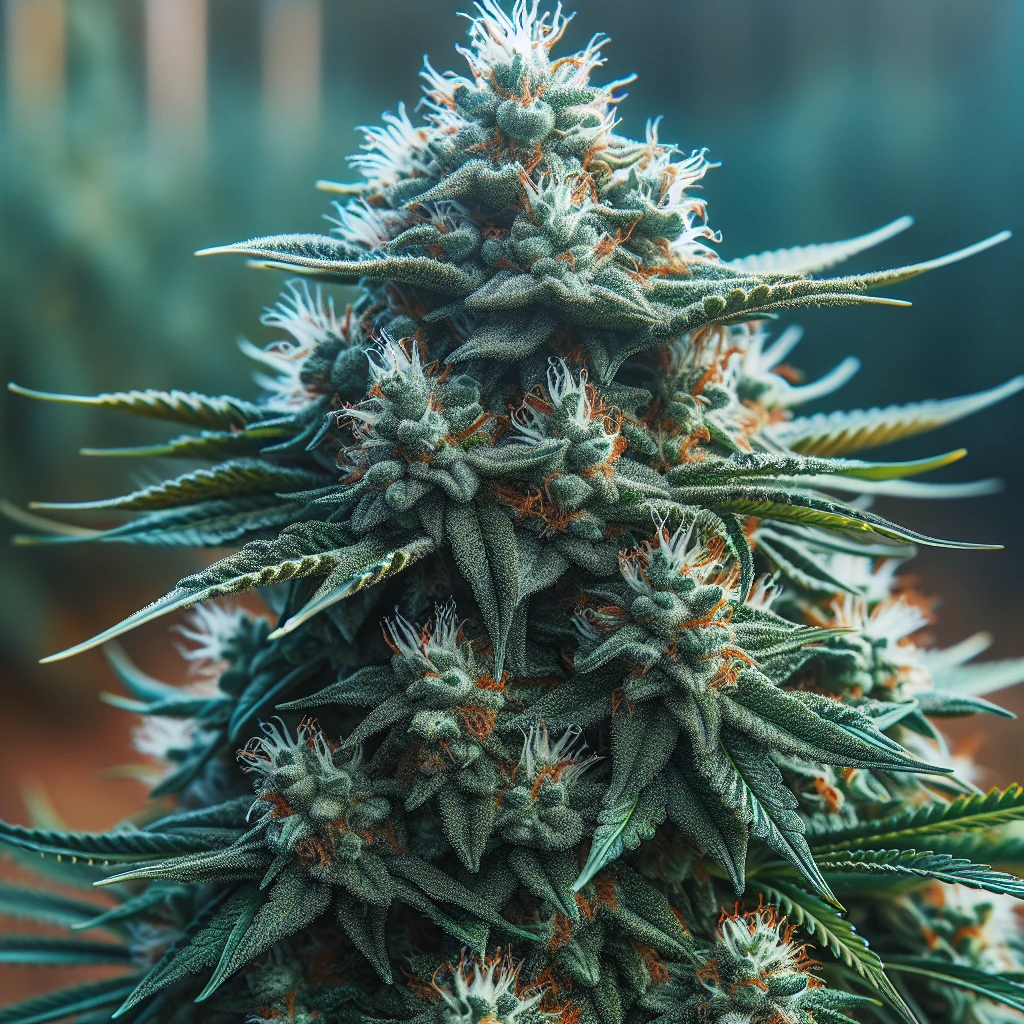
Hindu Kush
THC15–20%
- Type:
- Indica
- CBD:
- 0.1-0.5%
- Flowering:
- 7-8 weeks
$14.80View Details
Indica-dominant Hybrid
Jenny Kush
THC18–21%
- Type:
- Indica-dominant Hybrid
- CBD:
- 0.1-0.5%
- Flowering:
- 7-8 weeks
View Details
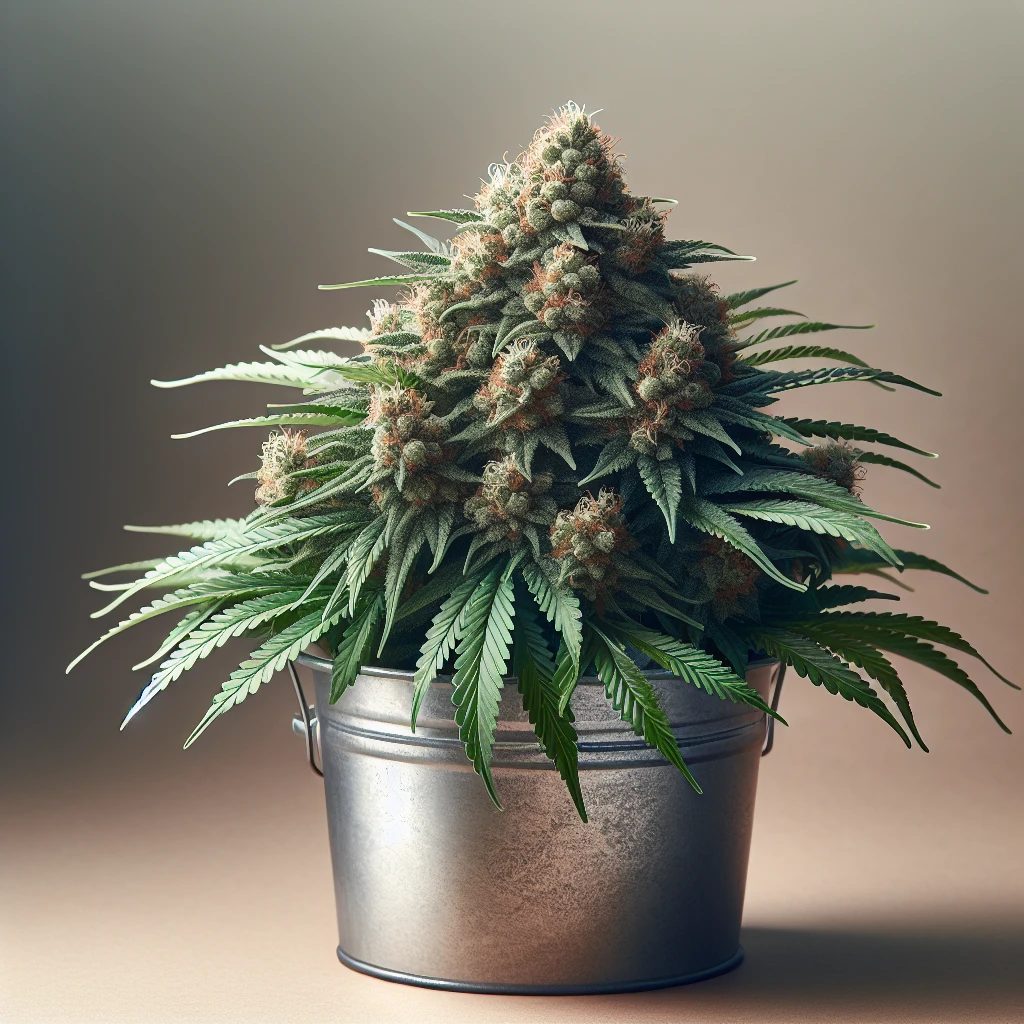
Indica-dominant Hybrid
Khalifa Kush
THC20–24%
- Type:
- Indica-dominant Hybrid
- CBD:
- 0.1-0.5%
- Flowering:
- 7-8 weeks
View Details
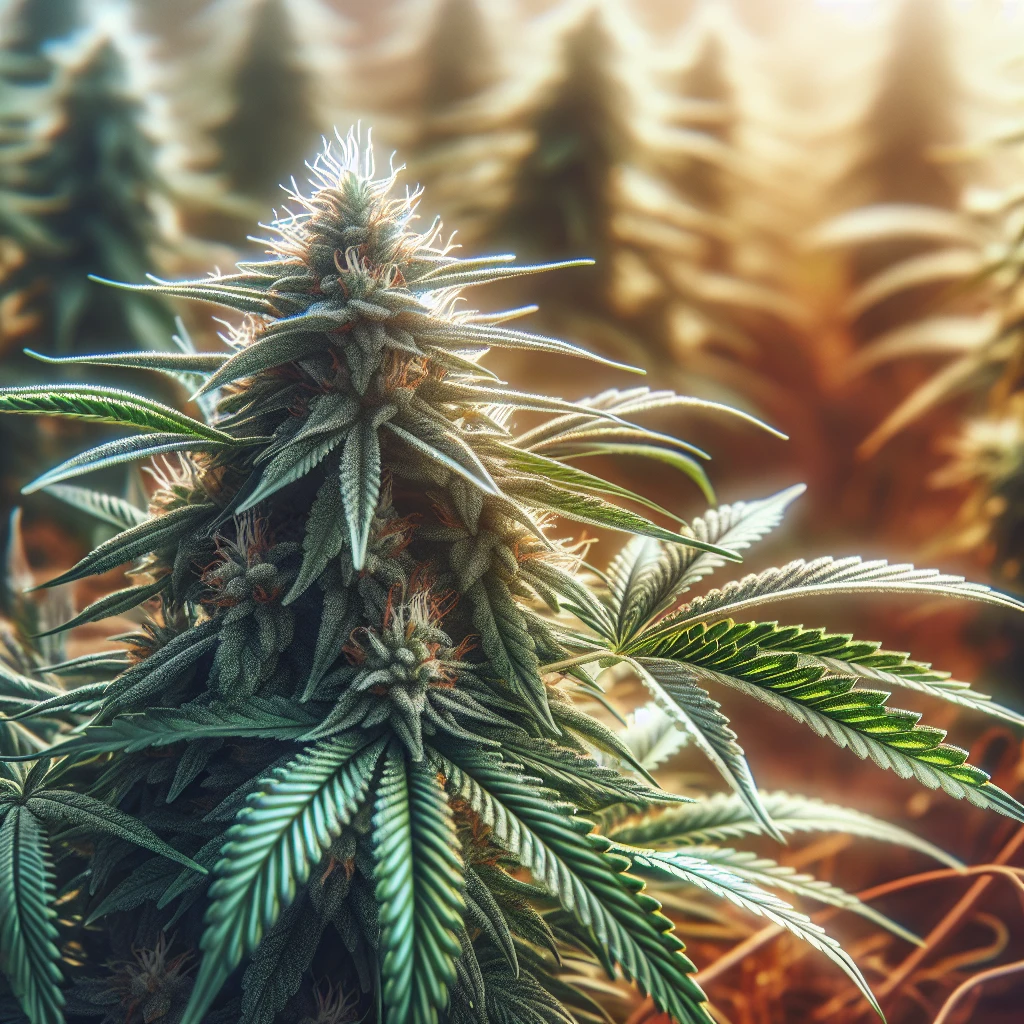
Hybrid
LA Kush Cake
- Type:
- Hybrid
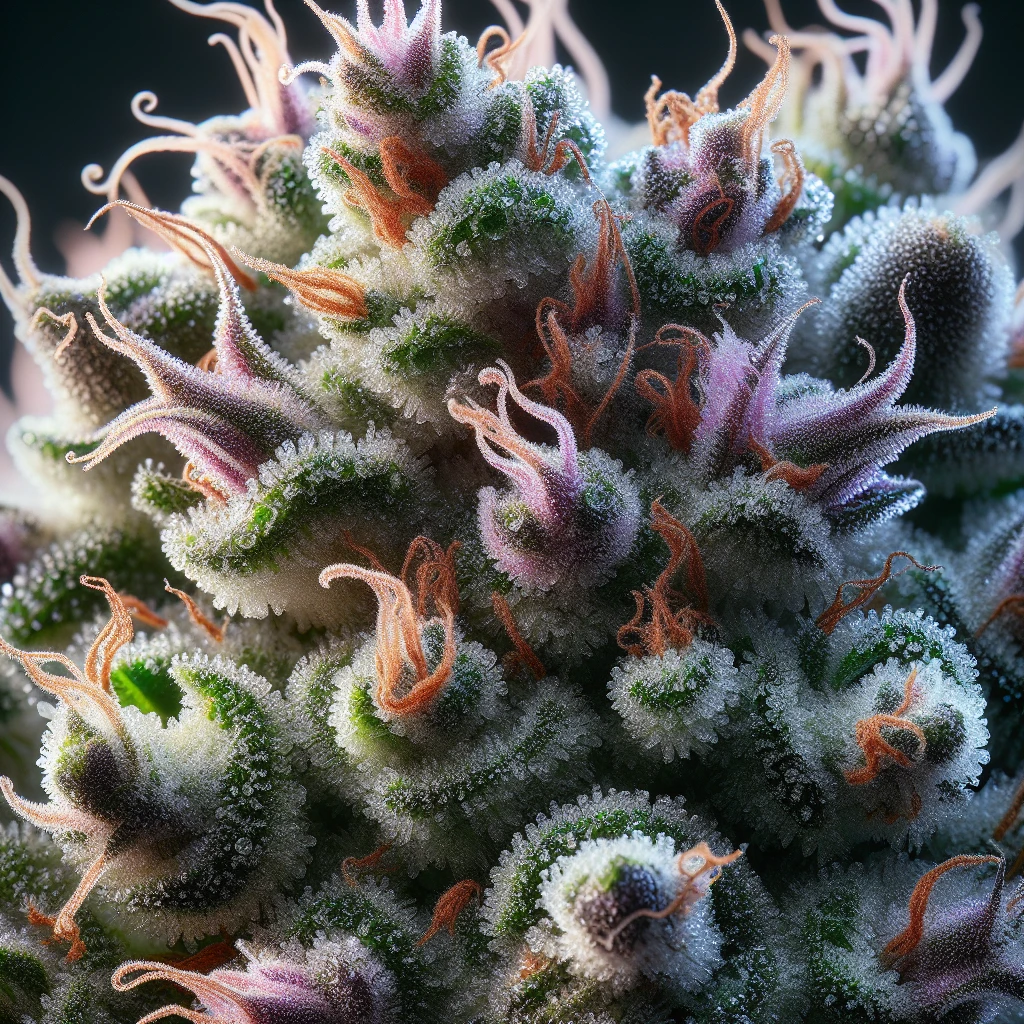
LA Kush Cake sits at the intersection of two of Seed Junky Genetics' most celebrated builds: Kush Mints and Wedding Cake. Kush Mints itself comes from Animal Mints crossed with Bubba Kush, bringing a clean, cool mintiness and heavy resin production, while Wedding Cake (Triangle Kush × Animal Mints) contributes vanilla and dough aromatics along with dense, tightly stacked bud architecture. The combination produces a hybrid whose complexity rewards attention on every exhale. Limonene, caryophyllene, and myrcene anchor the terpene profile. On the nose the strain leads with minty, peppery sweetness — the Kush Mints influence is unmistakable — before a wave of vanilla and warm dough closes things out. It is a dessert-style cultivar in the fullest sense without tipping into cloying territory. Potency lands in the 20–25% THC range with negligible CBD, and the effects play out as a warm, tingly body stone paired with an uplifting cerebral uplift that eases stress without locking users to the couch. LA Kush Cake is considered moderately easy to grow, finishing in approximately 7–8 weeks of flower. Buds are characteristically dense with red-orange pistils threading through a heavy trichome coat. Indoor yields are above average for a hybrid in this class, and the compact structure responds well to training techniques like low-stress training or light defoliation to open up the canopy. Boston, MA growers working a home indoor tent through the region's long winters will find LA Kush Cake a rewarding project: the relatively short flower cycle allows growers to complete two full runs between October and April without rushing the schedule. The strain's density does call for good airflow management in humid conditions — humidity control matters in New England's wet autumns if running a late-season outdoor crop, so a grow tent with proper ventilation is the safest route for consistent results.
View Details
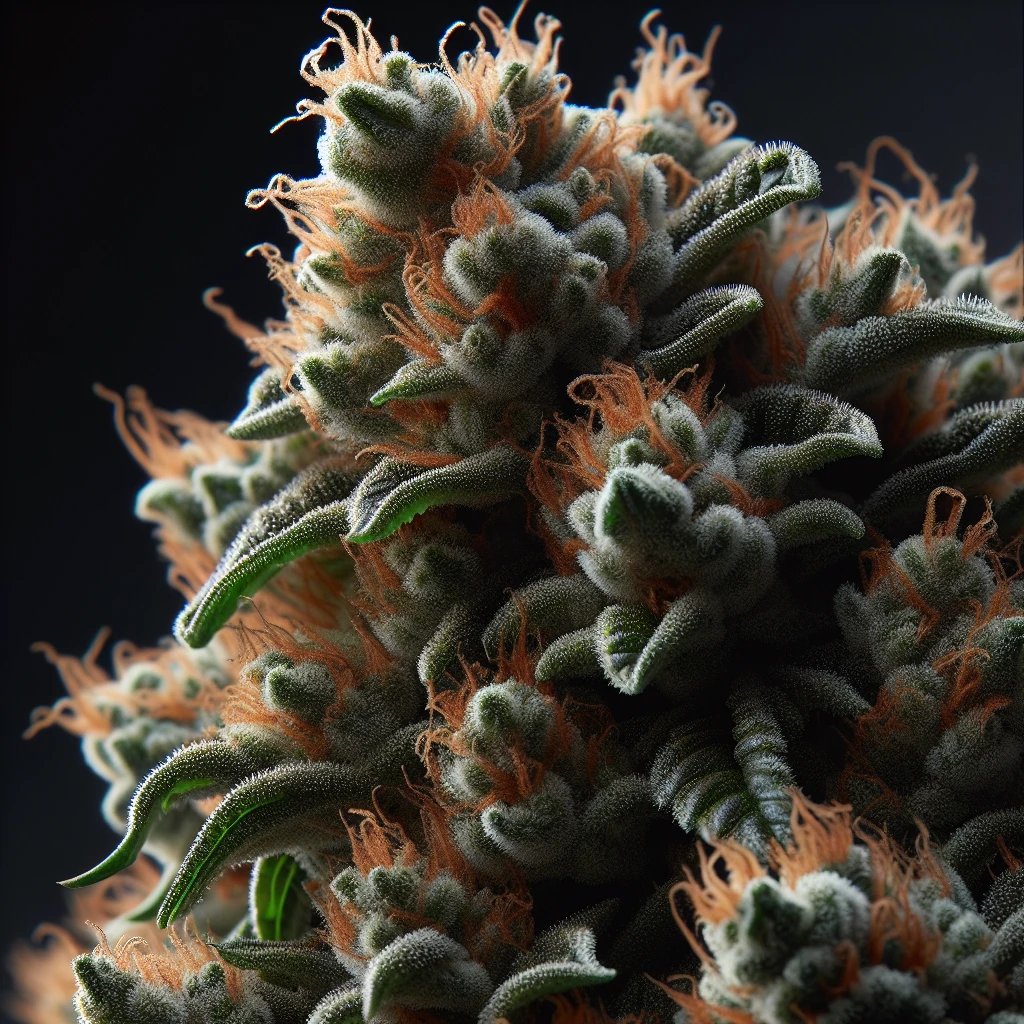
Hybrid
LA Kush Cake Autoflower
THC20–23%
- Type:
- Hybrid
- CBD:
- 0.1-0.5%
- Flowering:
- 9-10 weeks (seed-to-harvest)
View Details
Indica-dominant Hybrid
Master Kush
THC20–23%
- Type:
- Indica-dominant Hybrid
- CBD:
- 0.1-0.5%
- Flowering:
- 7-8 weeks
$14.80View Details
Hybrid
OG Kush Autoflower
- Type:
- Hybrid
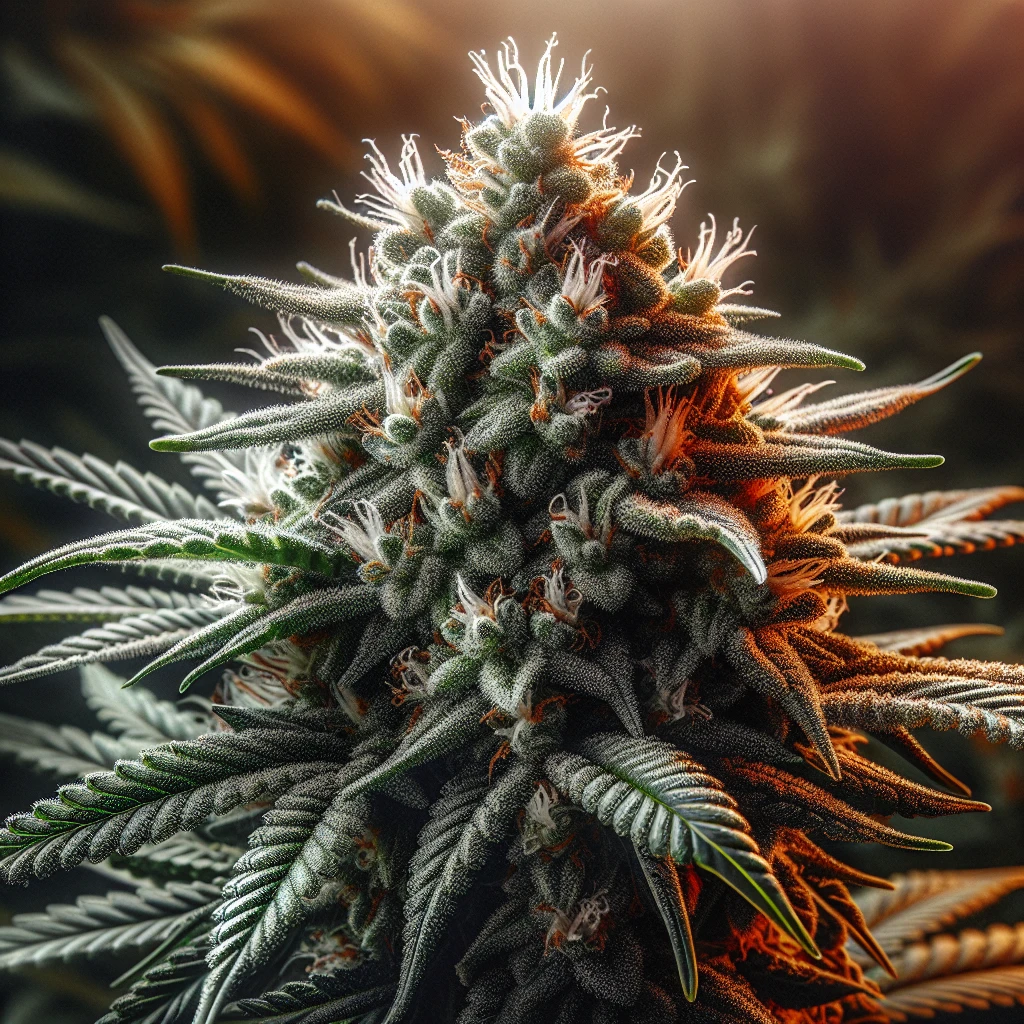
Few cannabis lineages carry the weight of OG Kush. Born from a convergence of Chemdawg, Lemon Thai, and Hindu Kush genetics, the original OG set the benchmark for earthy-fuel flavor and hard-hitting hybrid effects across the West Coast and beyond. This autoflowering version preserves that legendary genetic backbone while weaving in Cannabis ruderalis — the hardy, day-length-independent subspecies — creating a plant that flowers automatically on age rather than light cycle. The result is a compact, fast-finishing phenotype that delivers the same complex terpene signature OG fans expect without demanding a perfectly timed photoperiod. The aroma opens on sharp diesel and damp pine, then softens into bright lemon zest as the buds warm. That profile is driven primarily by myrcene and limonene, with a peppery caryophyllene undercurrent that adds depth and a faint spice on the exhale. Effects lean indica-dominant — typically 80% indica, 20% sativa — and move through the body in two distinct phases: an initial cerebral lift that sharpens focus and elevates mood, followed by a progressive physical relaxation that settles into the muscles without necessarily pinning users to the couch at moderate doses. THC typically tests between 20–24%, so first-session dosing deserves some respect. Why OG Kush Auto Works for New England Grows Massachusetts grants home cultivators up to six plants per person, and making those plants count matters when frost arrives early. OG Kush Autoflower completes its full seed-to-harvest cycle in roughly 9–10 weeks, which means a Boston grower starting seeds in late May — after the last reliable frost — can pull a harvest by late July or early August, while the season still has weeks left for a second run. That two-cycle window is essentially unavailable to photoperiod OG Kush, which needs the shortening days of late summer to trigger flowering and often bumps into September humidity. New England's coastal autumn brings the kind of sustained moisture that invites botrytis into dense, resinous buds; finishing a cycle well before that humidity peak is a real practical advantage. Indoors, the ruderalis-influenced growth habit keeps plants between 60–100 cm — well within the clearance of a standard two-meter tent and easy to manage under a single LED panel. Yields run approximately 250–400 g/m² under optimal conditions, with outdoor plants typically producing 60–100 g per plant depending on container size and sun exposure. The strain shows solid natural disease resistance, a trait inherited partly from ruderalis ancestry developed across the harsh continental climates of Central Asia and Eastern Europe — useful when a Boston apartment's HVAC cycles create swings in relative humidity. Light low-stress training early in vegetative growth widens the canopy and pushes lateral branching without disrupting the auto timeline. Because the flowering trigger is age-based, aggressive high-stress techniques that need long recovery windows are best avoided — the plant begins its flower cycle on its own schedule regardless of canopy work. Feed moderately, since OG Kush Auto does not need heavy nutrients early, and transition to a phosphorus-forward bloom formula once the first pistils appear, typically around weeks 3–4 from germination.
$14.80View Details
Hybrid
OG Kush CBD
- Type:
- Hybrid
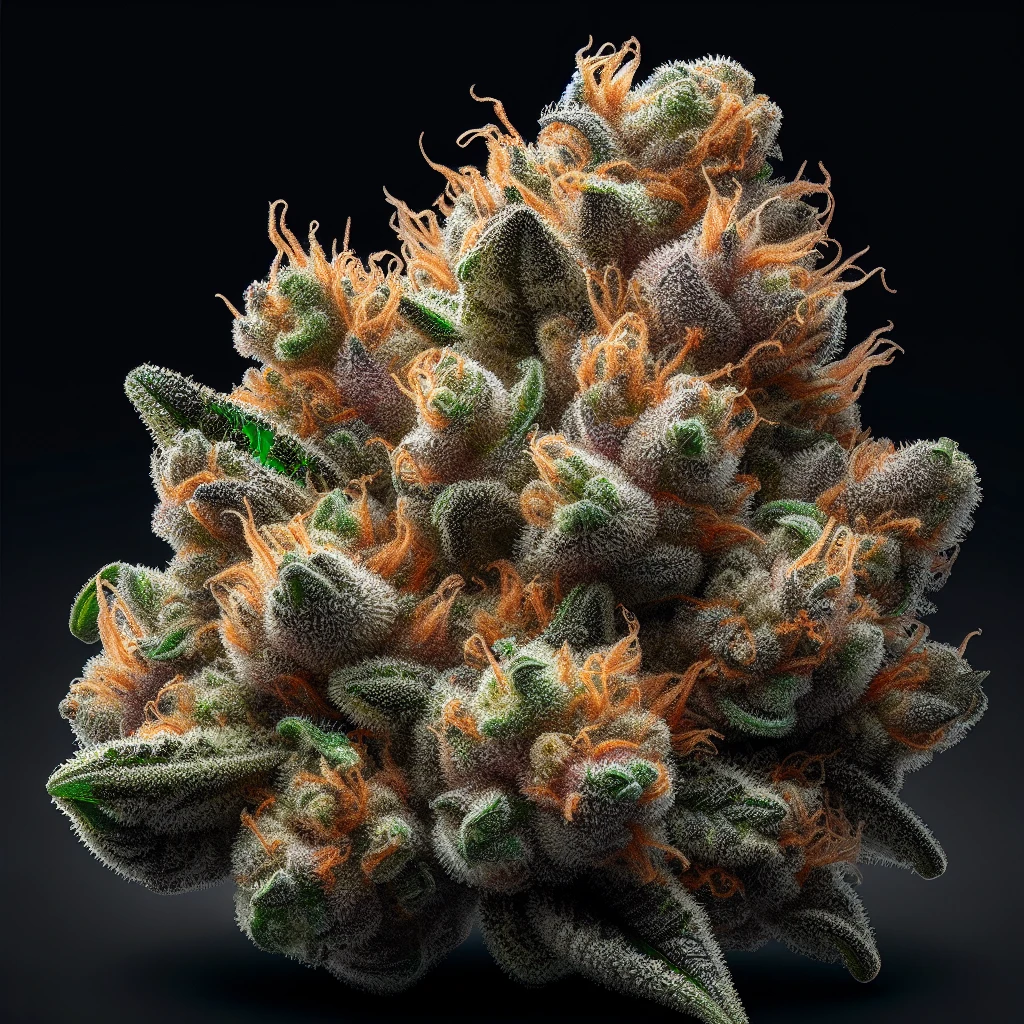
OG Kush CBD seeds offer a unique and rewarding cultivation experience, blending the iconic OG Kush strain with high CBD content for therapeutic benefits. This strain is perfect for those seeking the medicinal properties of CBD without the intense psychoactive effects of THC. OG Kush CBD is known for its balanced effects, robust growth, and flavorful buds, making it a top choice for both novice and experienced growers.
$14.80View Details
Indica
Purple Kush
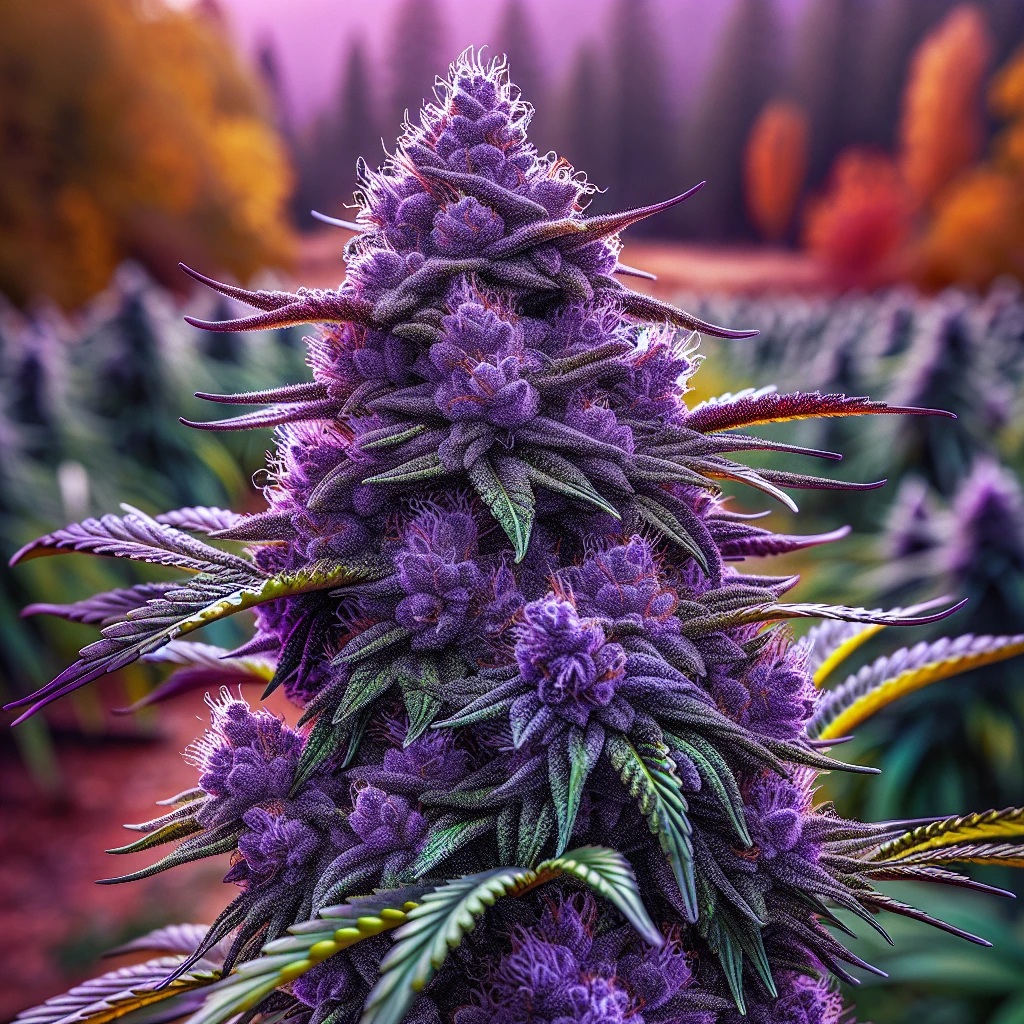
THC17–22%
- Type:
- Indica
- CBD:
- 0.1-0.5%
- Flowering:
- 8 weeks
$16.80View Details
Hybrid
Purple Kush Autoflower
- Type:
- Hybrid
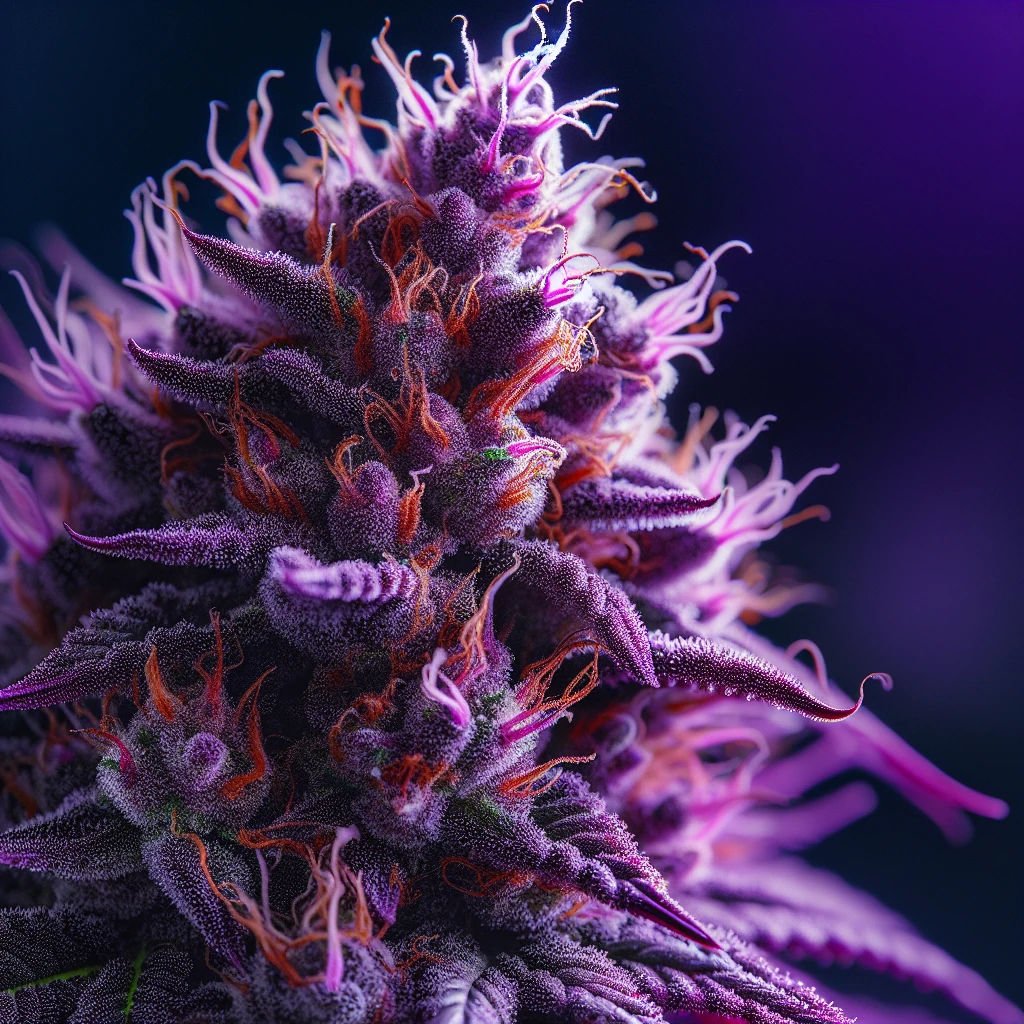
Where the photoperiod Purple Kush waits for the calendar to tell it when to flower, the autoflowering version operates on its own internal clock. Ruderalis genetics woven into the Purple Kush lineage — Hindu Kush crossed with Purple Afghani at the base — remove the plant's dependence on a light-schedule trigger entirely. From the moment a seed germinates, the clock is running. Expect seed to harvest in roughly 8 to 9 weeks regardless of how many hours of light the plant receives each day. That autonomy is the single most compelling reason a Boston, MA grower should consider this variety. New England's frost-free outdoor window is short — typically mid-May through early October, and even that is optimistic depending on the year. A full photoperiod indica strain might not finish before temperatures drop below safe levels. Purple Kush Autoflower sidesteps that problem entirely. Started outdoors in late May or early June, the plant flowers without any intervention and can hit harvest well before September frosts become a concern. The compact stature — most plants top out between 40 and 80 centimeters — keeps it discreet on a patio, balcony, or tucked behind raised beds, which matters under Massachusetts' 6-plant home-grow limit where every plant needs to earn its footprint. Aroma, Effects, and What to Expect The terpene profile mirrors what made the original Purple Kush a staple: myrcene and caryophyllene provide earthy, slightly spiced depth, while linalool and a touch of ocimene push a sweet grape and berry quality into the nose. Buds develop the same dense, resinous structure as the photoperiod parent, and cool autumn nights — common in New England even through late summer — encourage the deep purple hues that give the strain its name. THC typically runs in the 17–20% range, delivering a heavy, full-body relaxation that starts behind the eyes and spreads downward into the limbs. It is a strain for unwinding, not for productive afternoons. Seed to harvest: approximately 8–9 weeks from germination Plant height: 40–80 cm, suited for patio and balcony grows Aroma: earthy, grape, sweet berry with spiced undertones Effect profile: heavy indica body relaxation, deeply sedative THC: typically 17–20% Because the auto lifecycle runs continuously, growers who start a second round of seeds indoors under grow lights in July or August can overlap harvests and extend their season well into the cold months. A winter tent grow in a New England home is entirely viable with this variety — the compact size suits a 2×2 or 3×3 tent without overcrowding, and the fixed lifecycle makes planning straightforward. Resin production is generous given the plant's size, and the dense bud structure rewards a slow, even dry to protect the grape and berry aroma through cure.
$16.80View Details
Hybrid
Strawberry Kush CBD
- Type:
- Hybrid
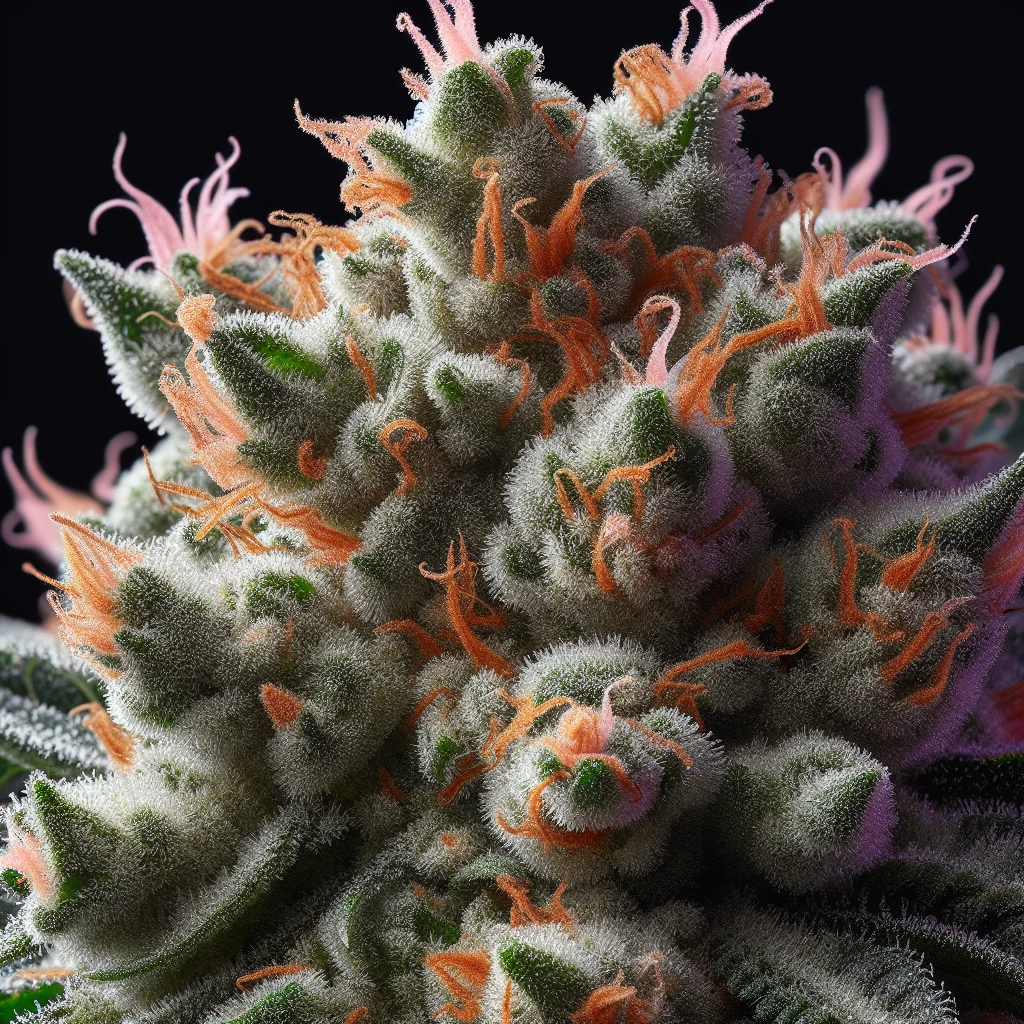
Not every seed purchase is about chasing peak THC numbers. Strawberry Kush CBD was developed for growers who want the structure and flavor of a quality hybrid without the intensity of a high-THC cultivar — the kind of plant that makes sense for daytime use, for sharing with people new to cannabis, or for anyone who simply prefers a clear-headed experience alongside their garden work. The genetics pull from Strawberry Cough on one side and OG Kush on the other, with high-CBD genetics bred into the line to bring the cannabinoid ratio into balance. CBD:THC ratios in this variety typically sit at or near 1:1, which means neither cannabinoid dominates the experience. The result is mild euphoria with functional clarity — mood lifts, tension eases, but the kind of couch-lock or perceptual shift associated with high-THC indicas simply does not arrive. It is a workable daytime cultivar: calming without being sedating, and sociable in the way that Strawberry Cough strains tend to be. The aroma profile is one of the more appealing aspects of growing this variety. Strawberry Cough genetics push a ripe, fruity sweetness to the front of the nose, while OG Kush contributes earthy pine and fuel undertones that ground the sweetness and keep it from reading as artificial. The combination is genuinely pleasant in the garden and carries well through a standard cure. Flowering runs approximately 8 to 9 weeks, which fits neatly into the outdoor calendar for Boston, MA — plants triggered by the natural shortening of days in late July can finish by late September before New England's autumn dampness sets in and bud rot risk rises along the coast. Indoor growers on the Massachusetts 6-plant limit will find Strawberry Kush CBD a manageable and rewarding option. The plant responds well to low-stress training, opens up to light efficiently, and produces dense, trichome-coated buds that smell better than their modest cannabinoid profile might suggest. For anyone building a balanced home garden that includes both high-THC and CBD-forward varieties, this strain rounds out a lineup without duplicating what is already on the shelf.
$14.80View Details
Indica-dominant Hybrid
Tangelo Kush
THC19–22%
- Type:
- Indica-dominant Hybrid
- CBD:
- 0.1-0.5%
- Flowering:
- 8-9 weeks
View Details
Indica-dominant Hybrid
Triangle Kush
THC19–21%
- Type:
- Indica-dominant Hybrid
- CBD:
- 0.1-0.5%
- Flowering:
- 8-9 weeks
View Details
Indica-dominant Hybrid
Velvet Kush
THC20–25%
- Type:
- Indica-dominant Hybrid
- CBD:
- 0.1-0.5%
- Flowering:
- 7-8 weeks
View Details
Compare every Kush seed variety
THC and CBD ranges, flowering windows and current pricing for all 21 Kush varieties in the catalog, side by side.
| Variety | Type | THC | CBD | Flowering | Price |
|---|---|---|---|---|---|
| Afghan Kush | Indica | THC16–21% | 0.1-0.5% | 7-8 weeks | — |
| Blackberry Kush | Hybrid | — | — | — | $14.80 |
| Bubba Kush | Indica | THC14–22% | 0.1-0.6% | 8-9 weeks | $16.80 |
| CBD Kush | Hybrid | — | — | — | $14.80 |
| CBD Kush Autoflower | Hybrid | — | — | — | $14.80 |
| Candy Kush | Hybrid | — | — | — | $14.80 |
| Cupid's Kush | Indica-dominant Hybrid | THC18–20% | 0.1-0.5% | 8-9 weeks | — |
| Hindu Kush | Indica | THC15–20% | 0.1-0.5% | 7-8 weeks | $14.80 |
| Jenny Kush | Indica-dominant Hybrid | THC18–21% | 0.1-0.5% | 7-8 weeks | — |
| Khalifa Kush | Indica-dominant Hybrid | THC20–24% | 0.1-0.5% | 7-8 weeks | — |
| LA Kush Cake | Hybrid | — | — | — | — |
| LA Kush Cake Autoflower | Hybrid | THC20–23% | 0.1-0.5% | 9-10 weeks (seed-to-harvest) | — |
| Master Kush | Indica-dominant Hybrid | THC20–23% | 0.1-0.5% | 7-8 weeks | $14.80 |
| OG Kush Autoflower | Hybrid | — | — | — | $14.80 |
| OG Kush CBD | Hybrid | — | — | — | $14.80 |
| Purple Kush | Indica | THC17–22% | 0.1-0.5% | 8 weeks | $16.80 |
| Purple Kush Autoflower | Hybrid | — | — | — | $16.80 |
| Strawberry Kush CBD | Hybrid | — | — | — | $14.80 |
| Tangelo Kush | Indica-dominant Hybrid | THC19–22% | 0.1-0.5% | 8-9 weeks | — |
| Triangle Kush | Indica-dominant Hybrid | THC19–21% | 0.1-0.5% | 8-9 weeks | — |
| Velvet Kush | Indica-dominant Hybrid | THC20–25% | 0.1-0.5% | 7-8 weeks | — |
About Kush Cannabis Seeds
What ties the Kush family together isn't a single chemotype — it's a shape. Short, bushy plants with dense conical buds, broad indica leaves, and a flowering window that rarely runs past nine weeks indoors. The terpene profile reads heavy on humulene and caryophyllene, with myrcene running underneath, which is what produces the recognizable spicy-piney-earthy character across the whole line.
Growers reach for Kush genetics when they want a predictable indoor plant. The compact stature handles short tents well, the dense flowers resist stretch in late veg, and the indica-dominant high translates cleanly to evening and end-of-day product. Crosses like OG Kush and Hindu Kush remain among the most-grown strains in the United States, decades after their introduction.
Medical patients gravitate to Kush for sleep, appetite, and physical pain — the heavy body load that defines the line is also what makes it useful. If you're new to indoor growing or shopping for a strain that won't surprise you, Kush is the safest entry point in this catalog.
Kush seeds — frequently asked questions
Did You Know?
10/4/2026