Loading
Loading content, please wait.Cannabis Seed Category
Kush Seeds Descended from Hindu Kush Landrace Genetics
Every strain on this page traces back to the same narrow band of mountains between Afghanistan and Pakistan, where the Hindu Kush landraces adapted to short seasons, thin air and hard cold long before anyone was breeding cannabis deliberately. That environment selected for the traits the whole family is now known for: compact plants, thick resin as protection against UV and drought, and the dense, heavy-set bud structure that separates a Kush from almost everything else. The strains here inherit that in different proportions, some carrying the landrace character almost undiluted and others expressing it through generations of hybrid work. What they share is the earthy, piney signature and the physically grounded effect that came down from the original mountain stock. Understanding which part of that inheritance a given strain leans on is the most useful way to choose between them.
21 Strains Available10 Hybrid7 Indica-dominant Hybrid4 Indica
4.8 / 5 · 820 reviews
Free US Shipping over $99
15,000+ orders shipped
Strain of the Day
10/26/2026
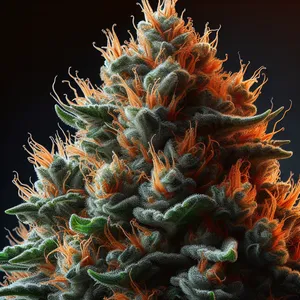
Orange Bud
Hybrid • THC varies
Orange Bud is today's featured strain, known for its exceptional quality and unique characteristics.
"Featured for its high THC content and potency"
View Strain DetailsDid You Know?
10/26/2026
Latest Additions
All Kush Seeds
21 strains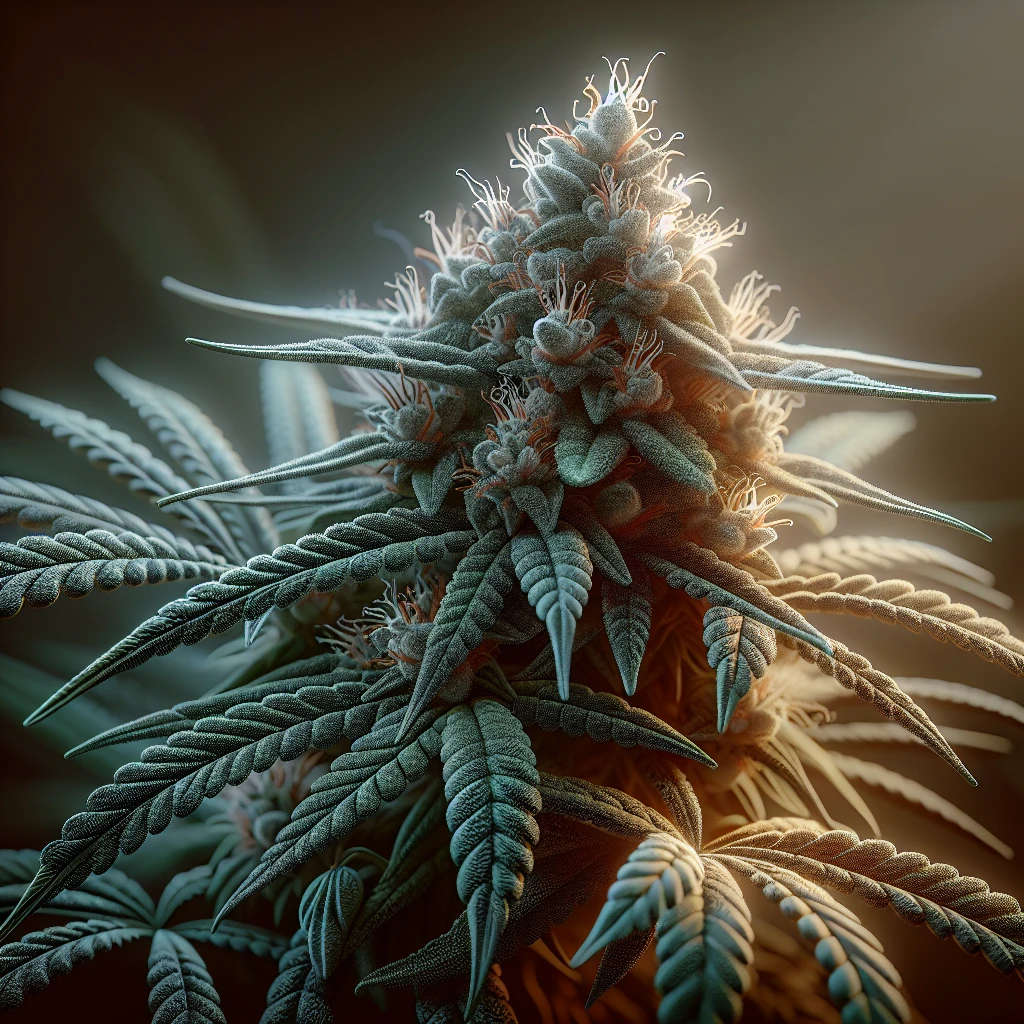
Indica
Afghan Kush
Afghan Kush
THC: 16-21%
View Details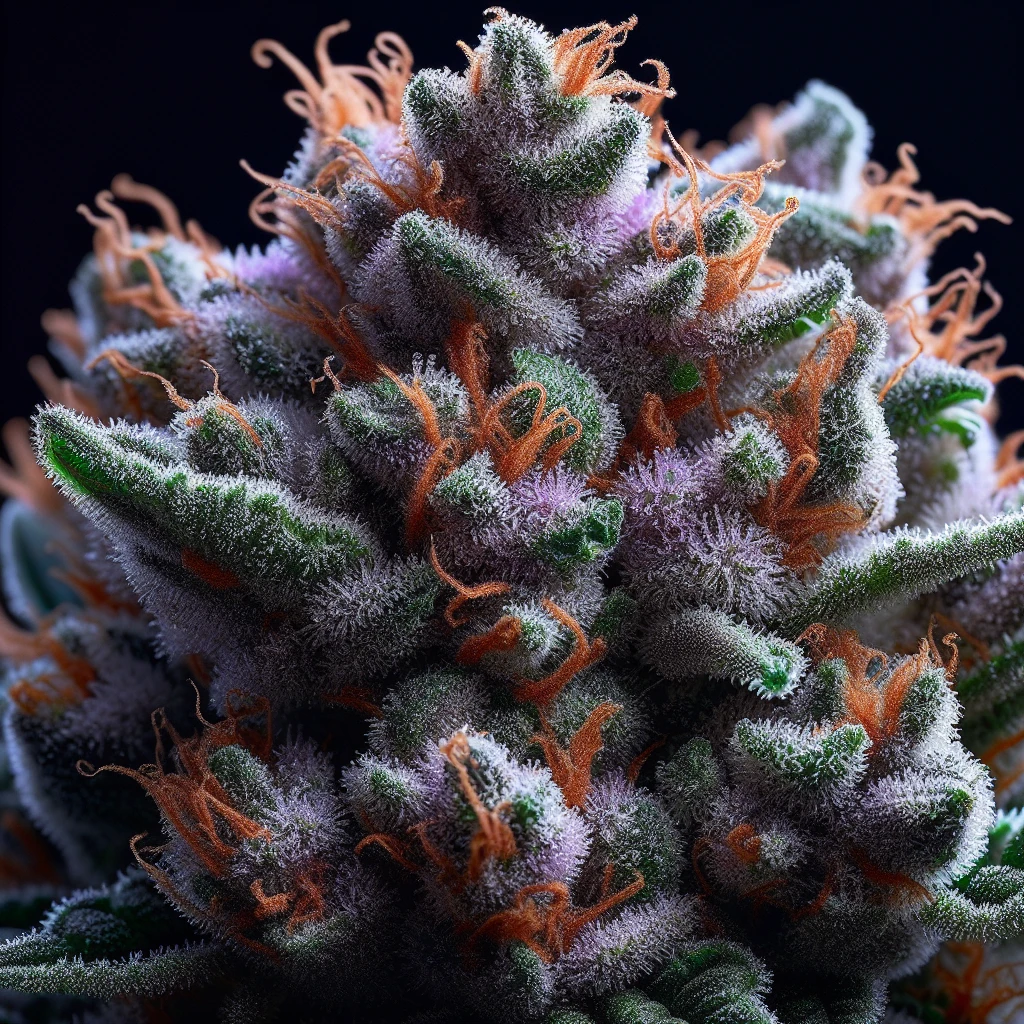
Hybrid
Blackberry Kush
Blackberry Kush
THC:
View Details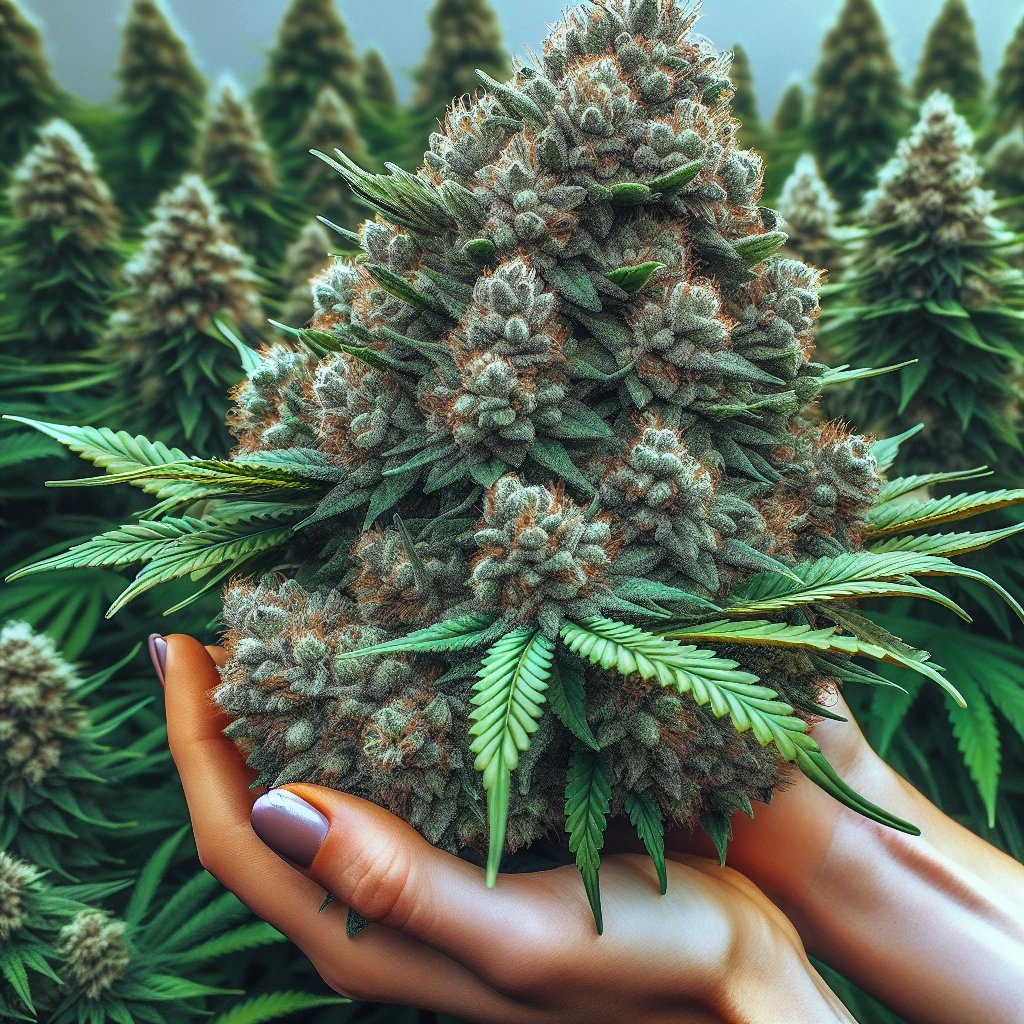
Indica
Bubba Kush
Bubba Kush
THC: 14-22%
View Details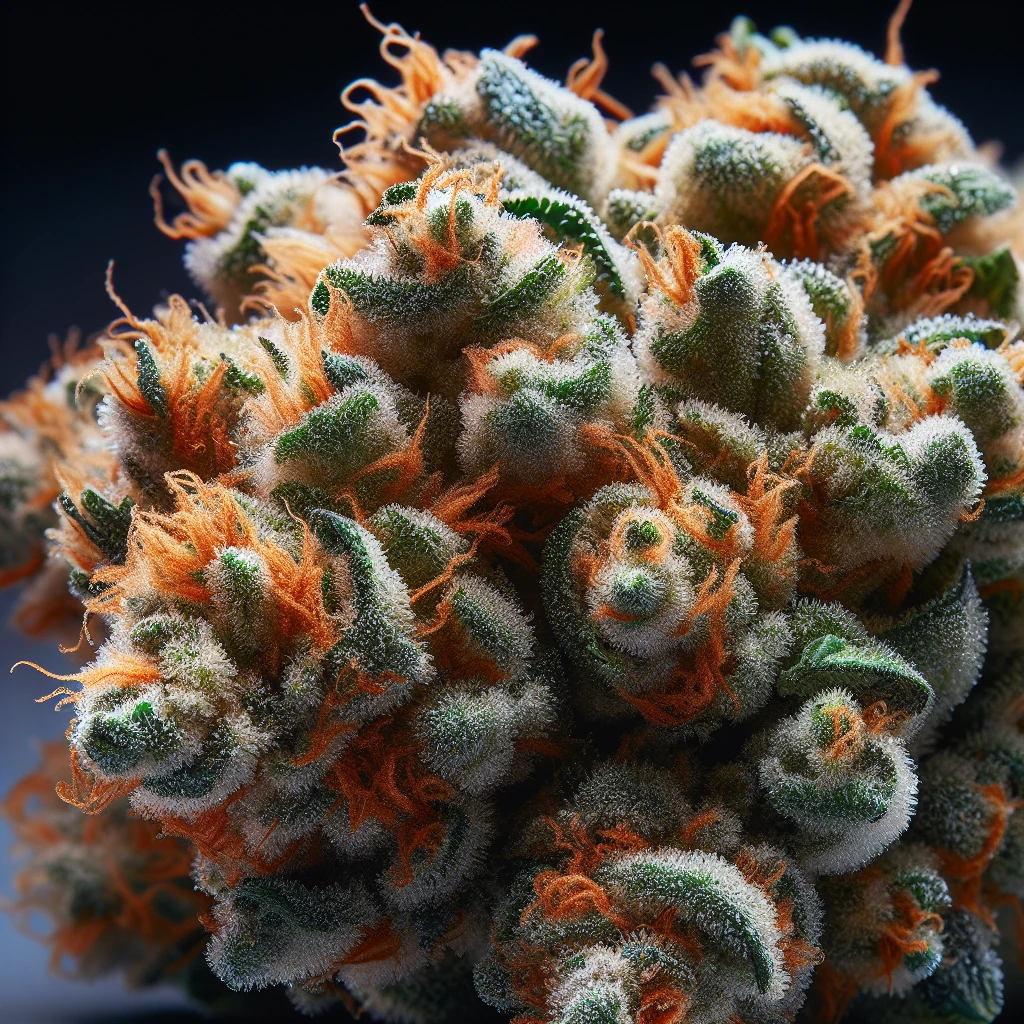
Hybrid
CBD Kush
CBD Kush
THC:
View Details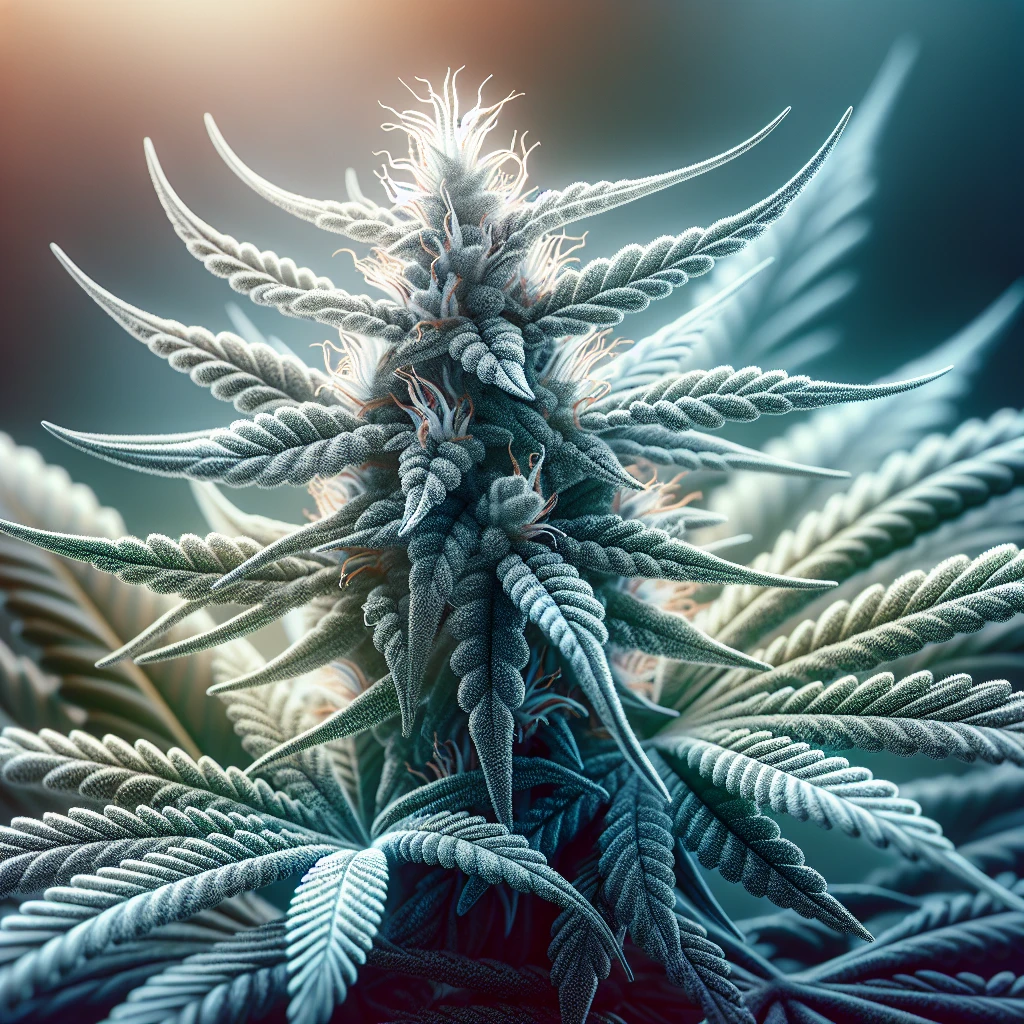
Hybrid
CBD Kush Autoflower
CBD Kush Autoflower
THC:
View Details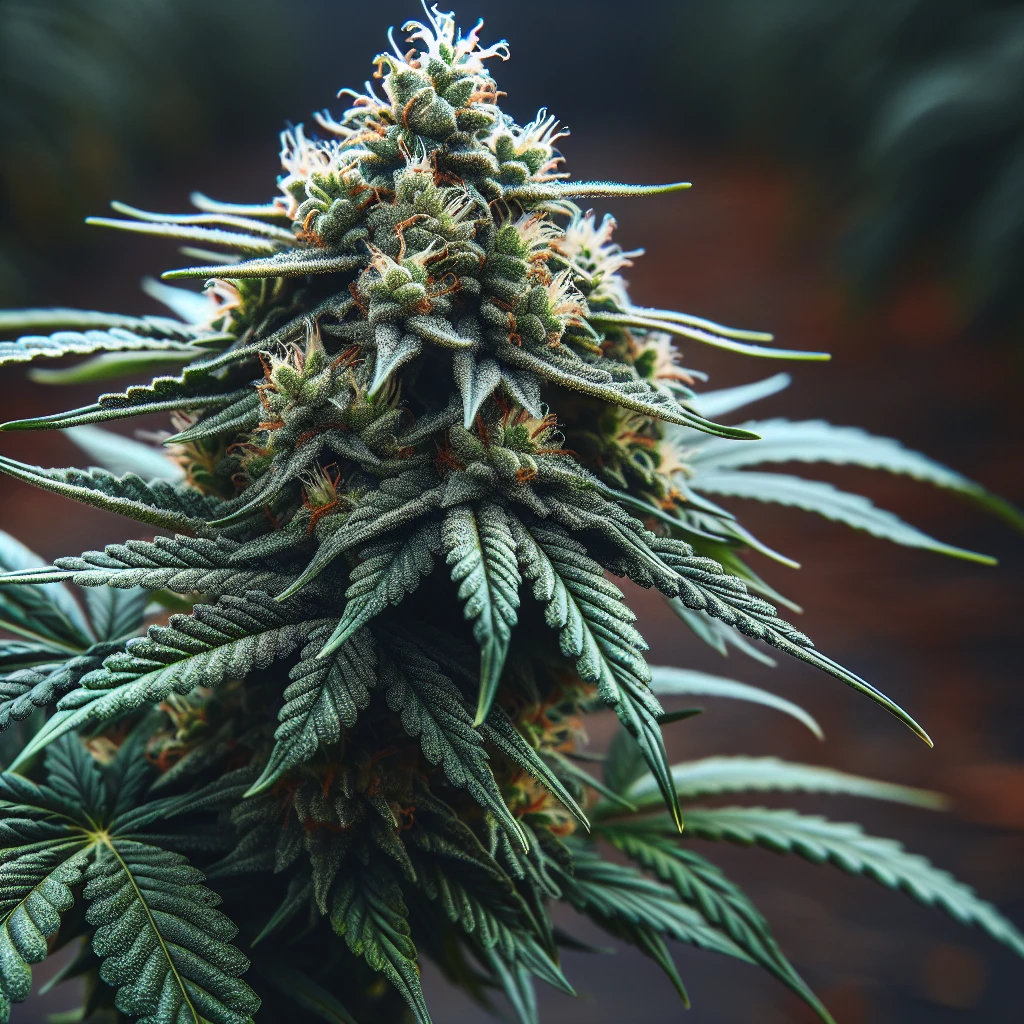
Hybrid
Candy Kush
Candy Kush
THC:
View Details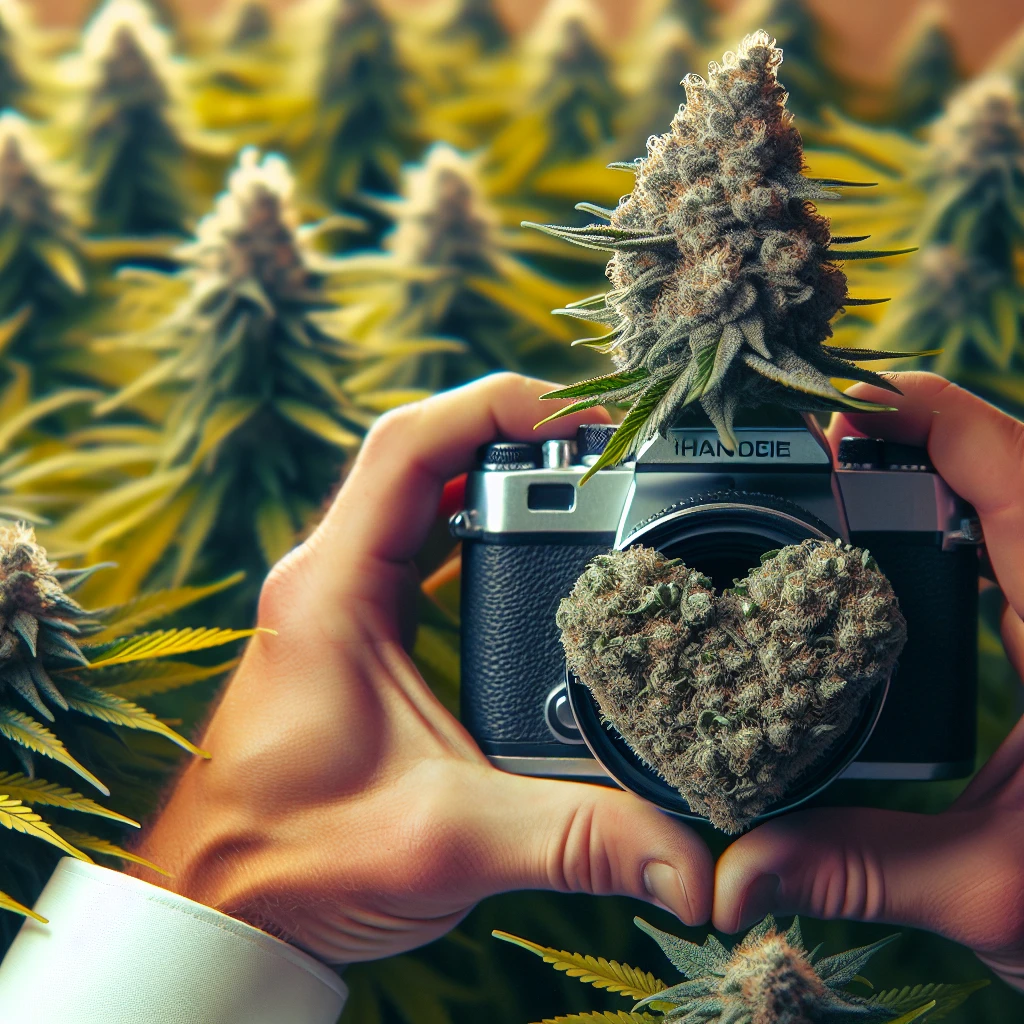
Indica-dominant Hybrid
Cupid's Kush
Cupid's Kush
THC: 18-20%
View Details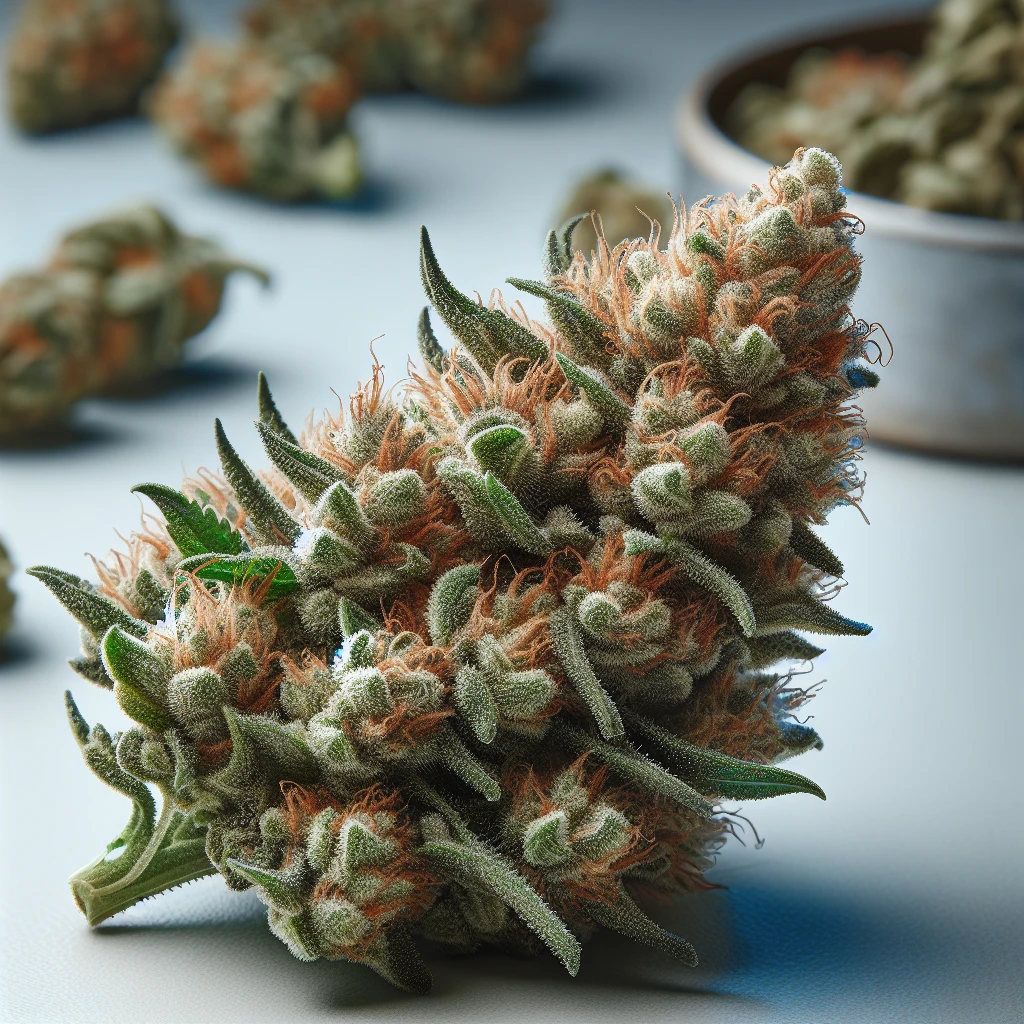
Indica
Hindu Kush
Hindu Kush
THC: 15-20%
View Details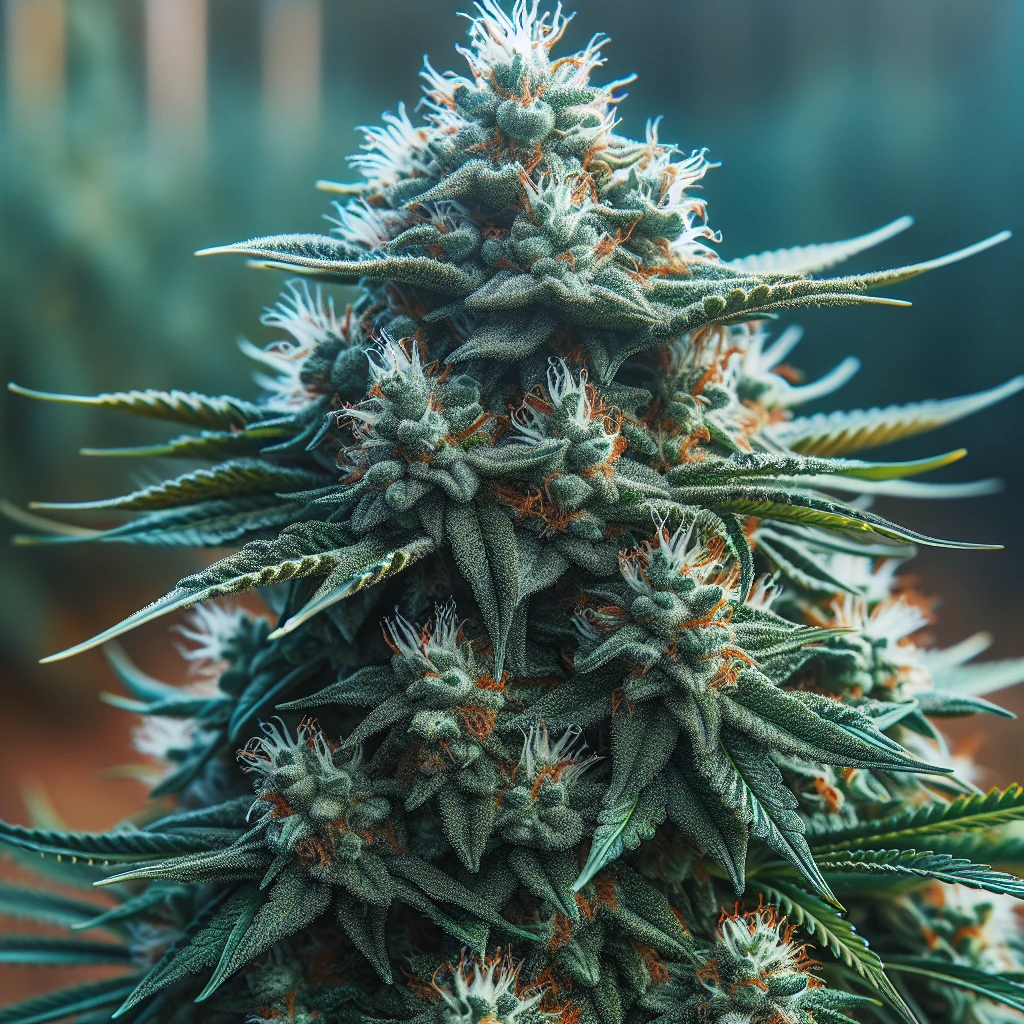
Indica-dominant Hybrid
Jenny Kush
Jenny Kush
THC: 18-21%
View Details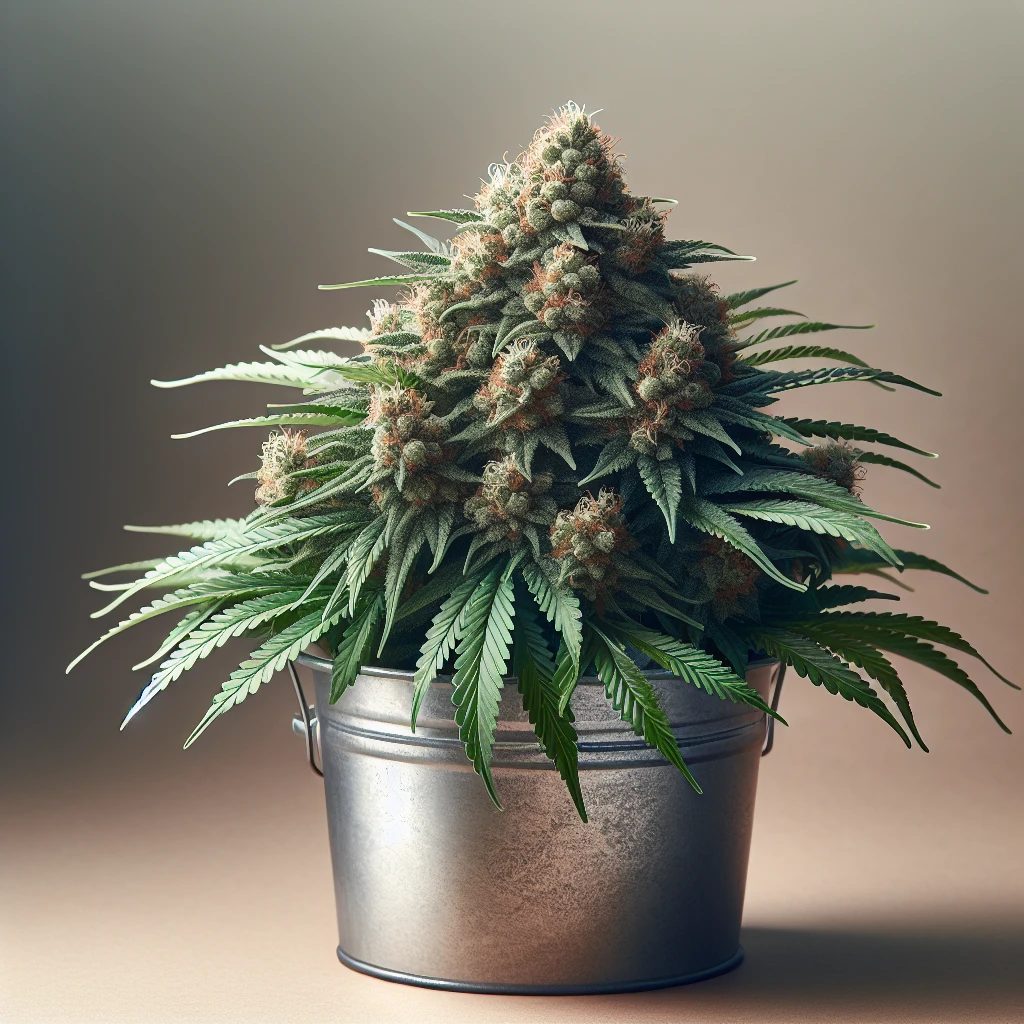
Indica-dominant Hybrid
Khalifa Kush
Khalifa Kush
THC: 20-24%
View Details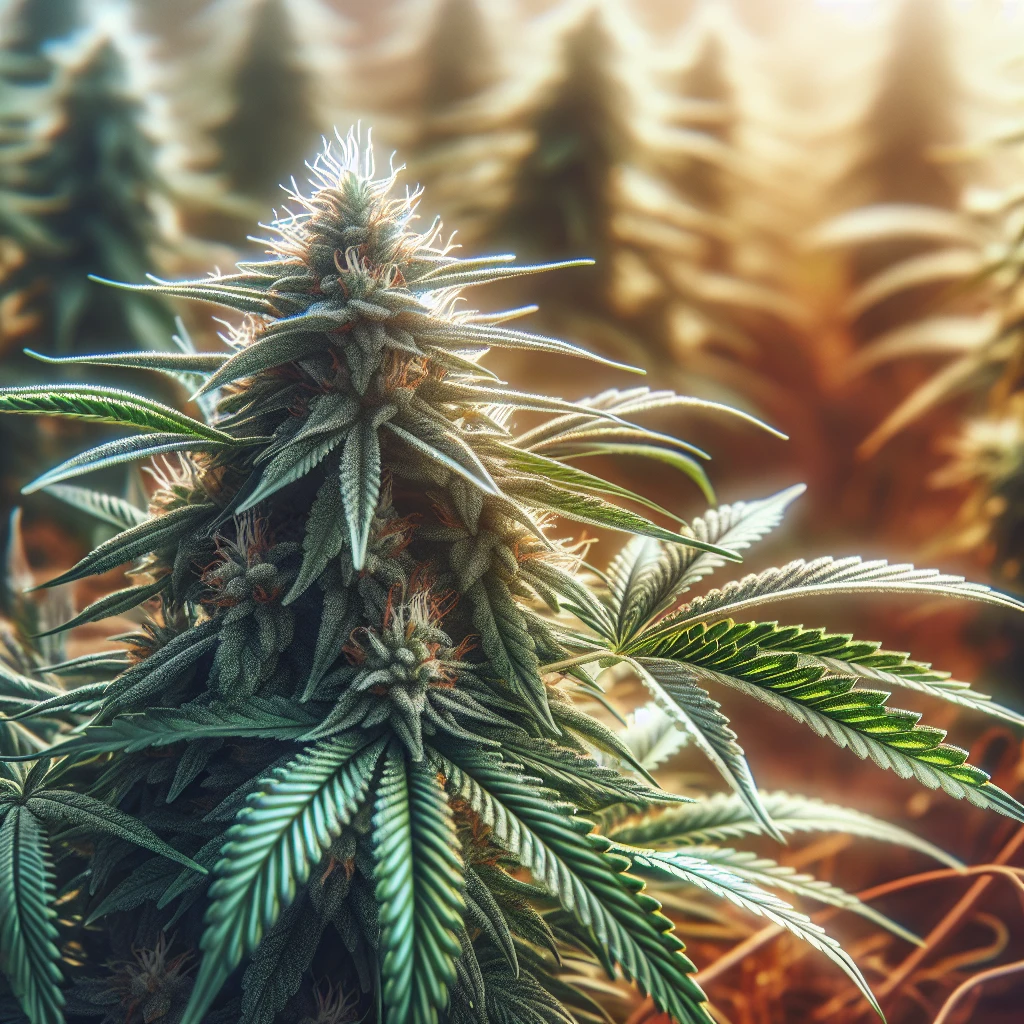
Hybrid
LA Kush Cake
LA Kush Cake
THC:
View Details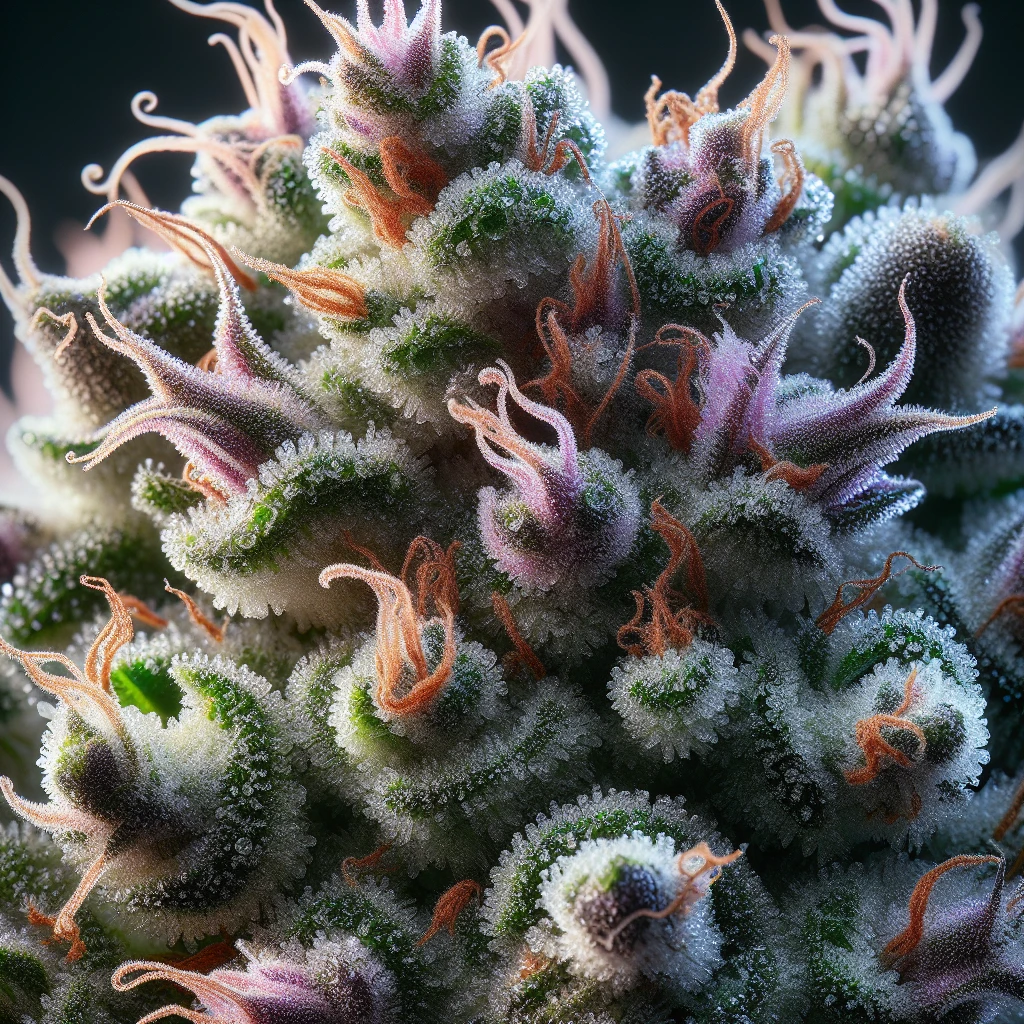
Hybrid
LA Kush Cake Autoflower
LA Kush Cake Autoflower
THC: 20-23%
View Details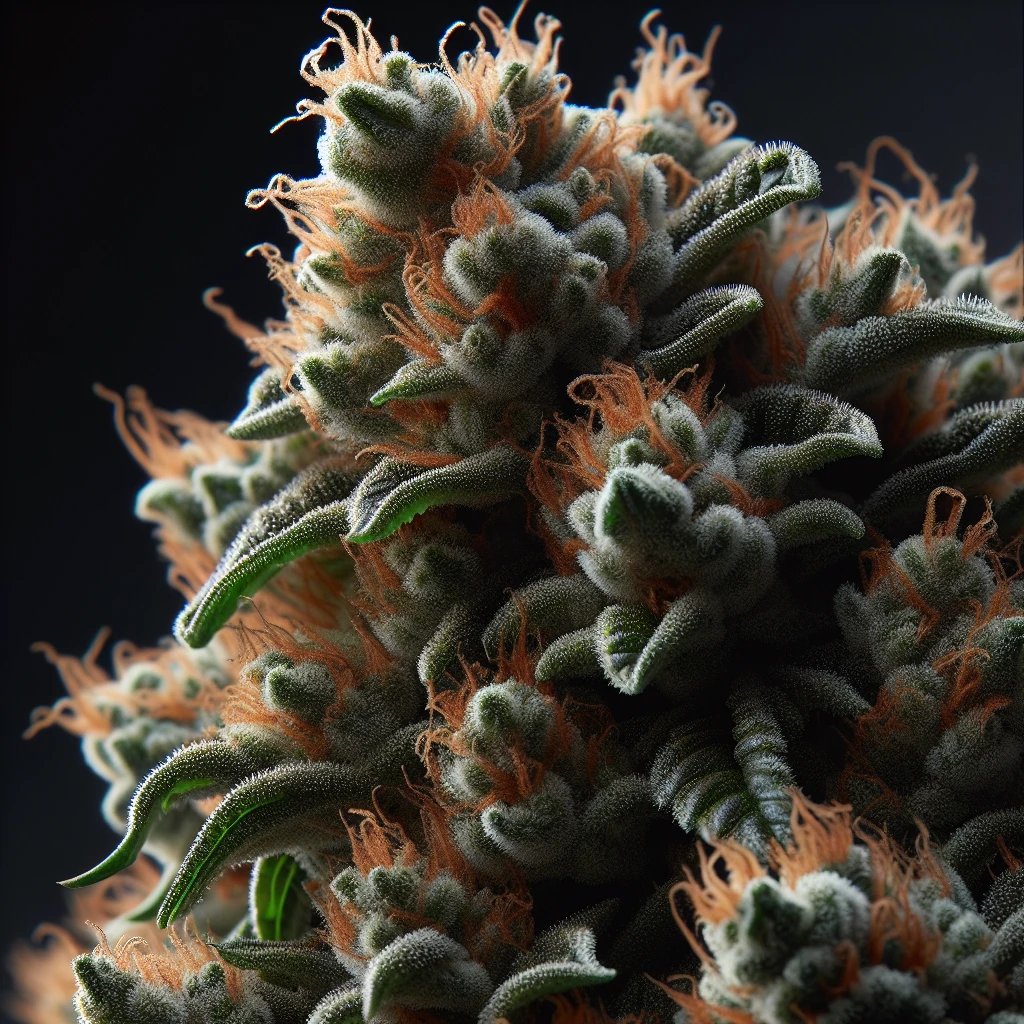
Indica-dominant Hybrid
Master Kush
Master Kush
THC: 20-23%
View Details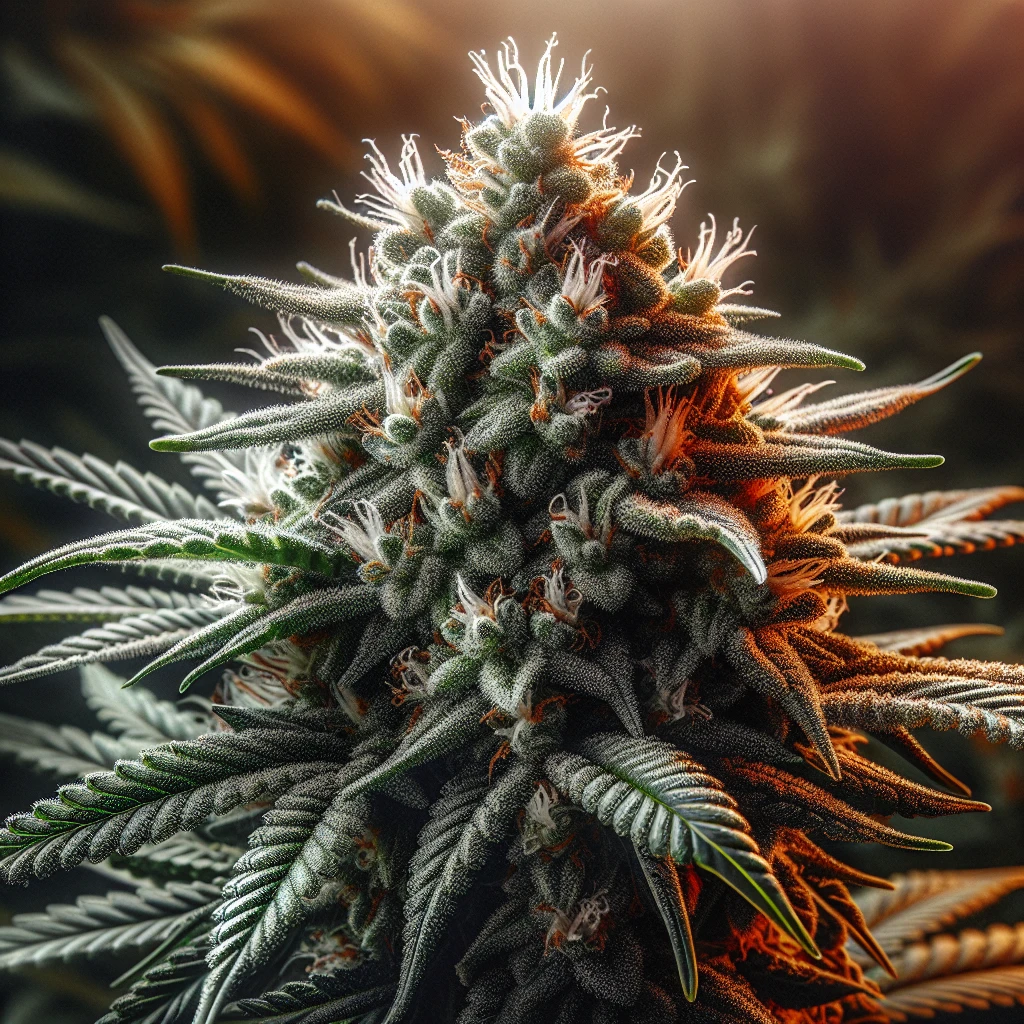
Hybrid
OG Kush Autoflower
OG Kush Autoflower
THC:
View Details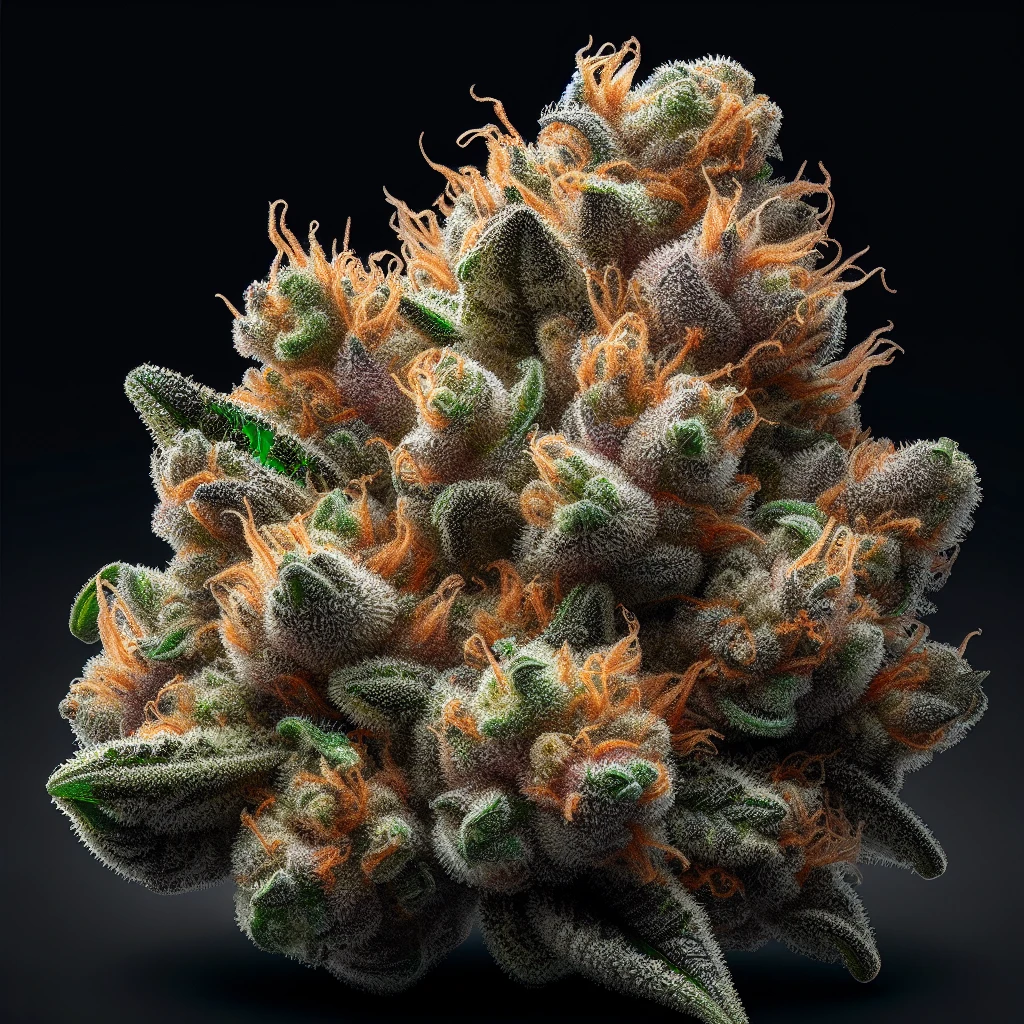
Hybrid
OG Kush CBD
OG Kush CBD
THC:
View Details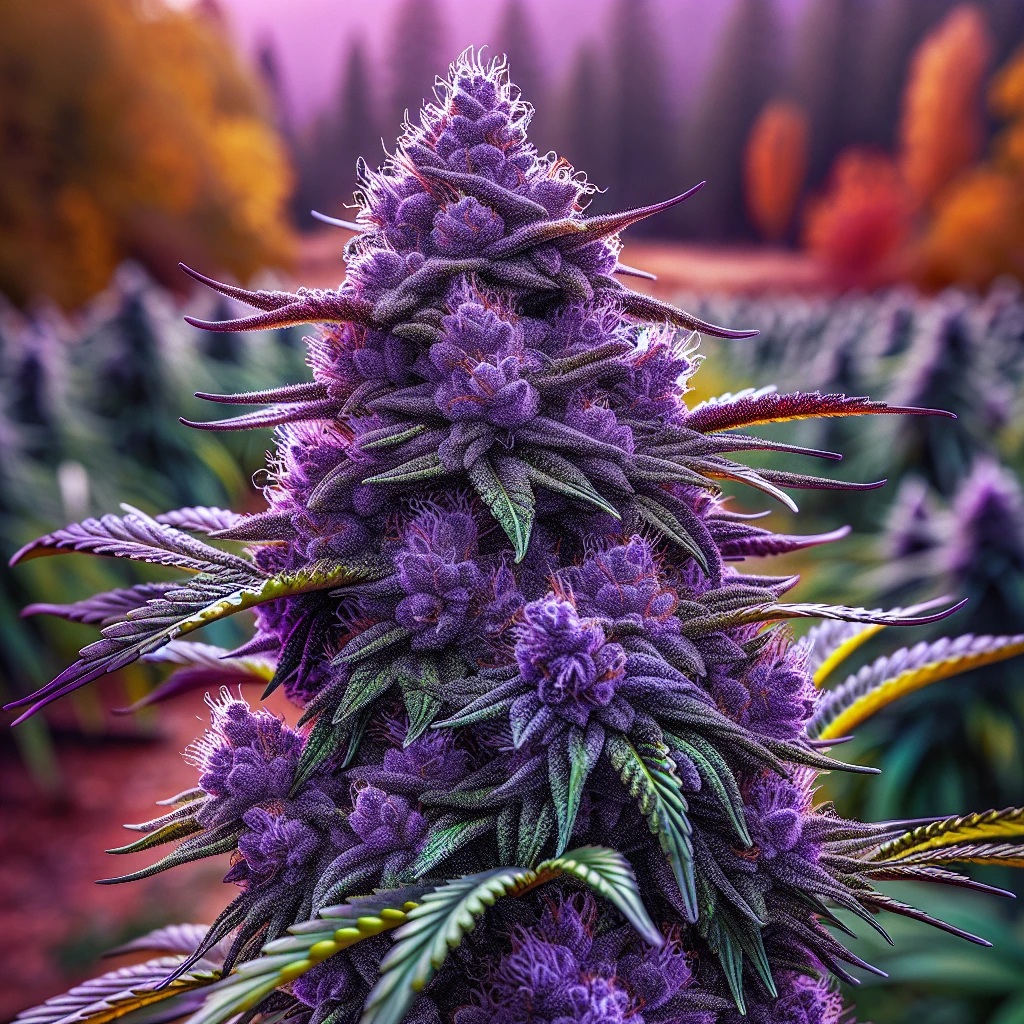
Indica
Purple Kush
Purple Kush
THC: 17-22%
View Details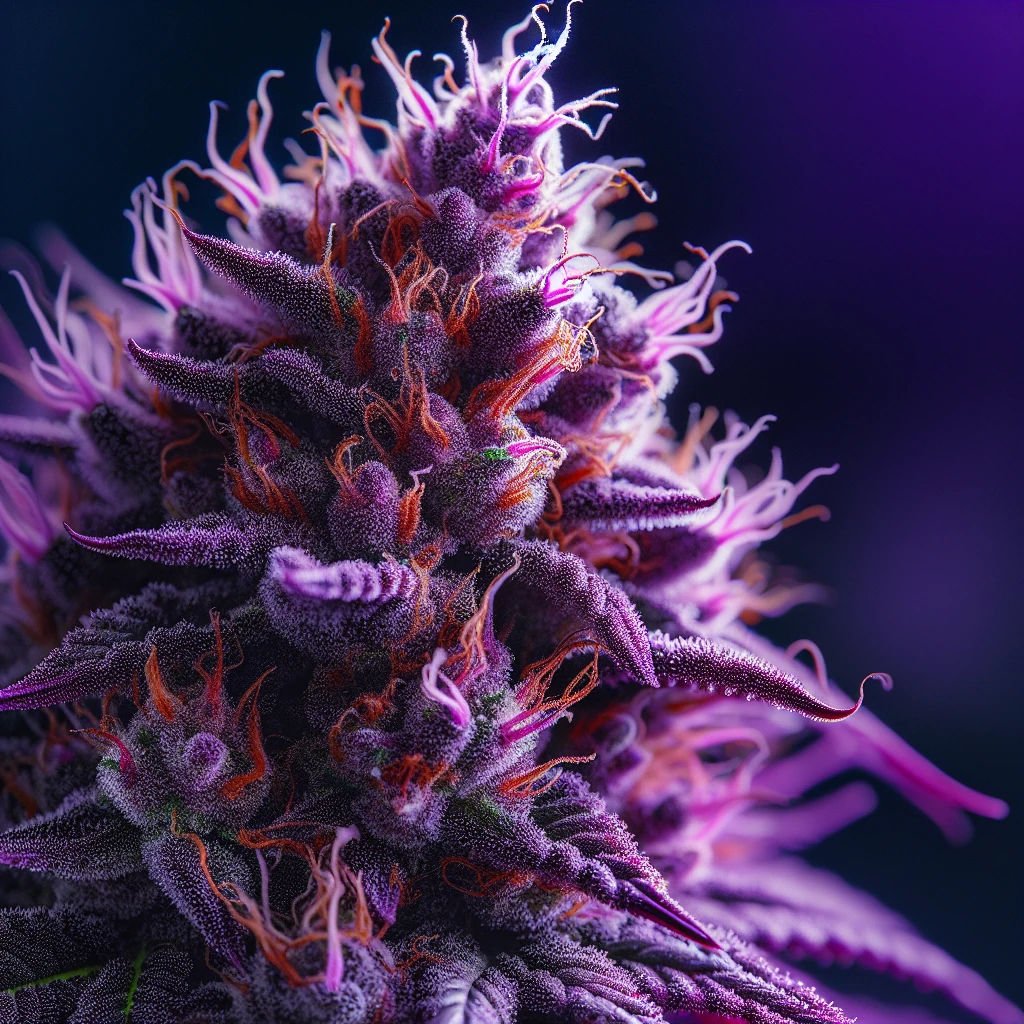
Hybrid
Purple Kush Autoflower
Purple Kush Autoflower
THC:
View Details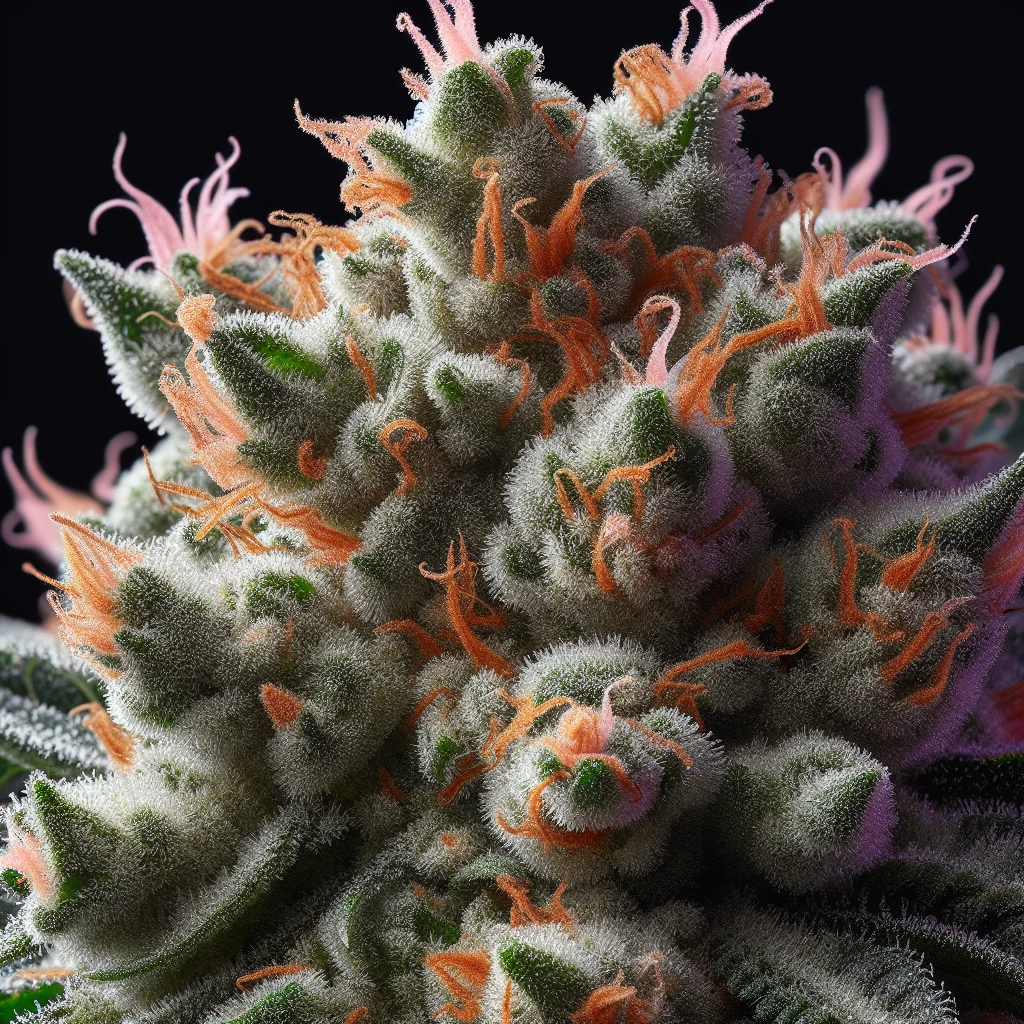
Hybrid
Strawberry Kush CBD
Strawberry Kush CBD
THC:
View Details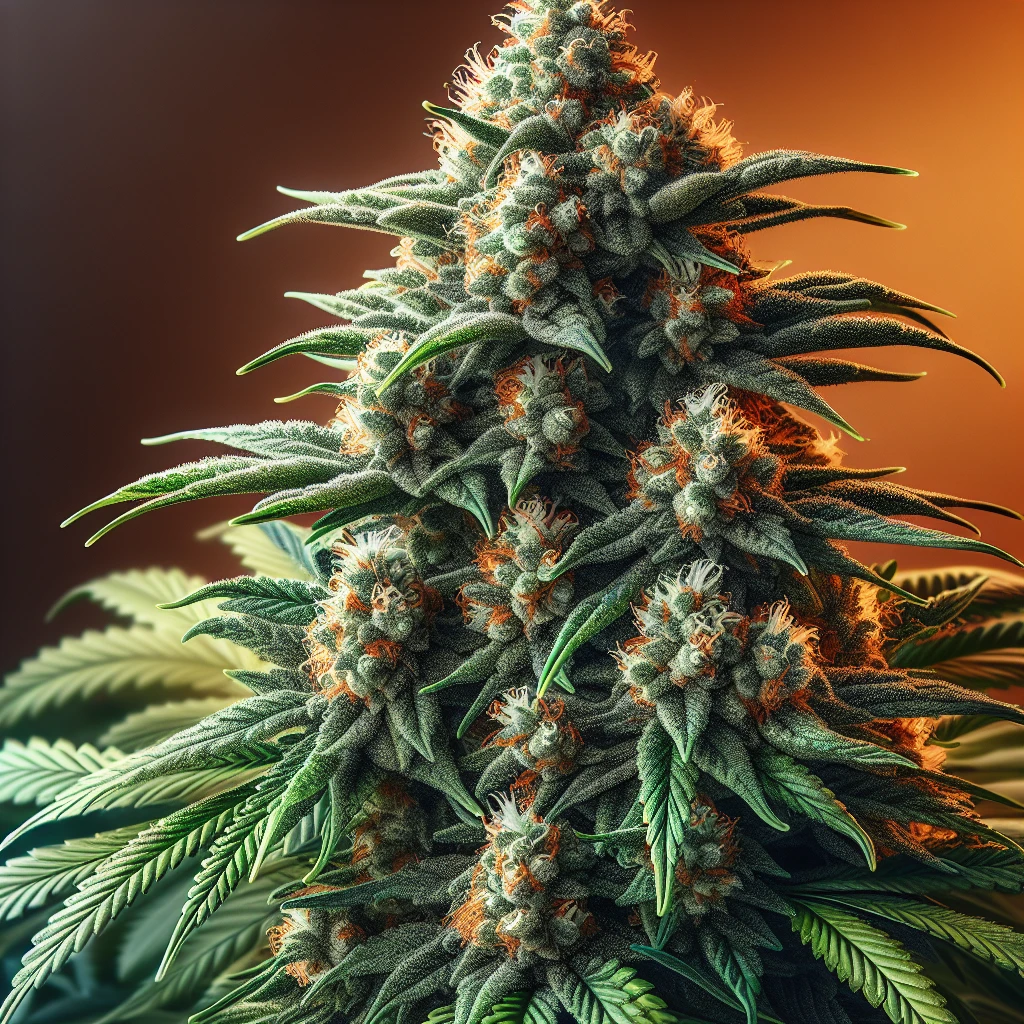
Indica-dominant Hybrid
Tangelo Kush
Tangelo Kush
THC: 19-22%
View Details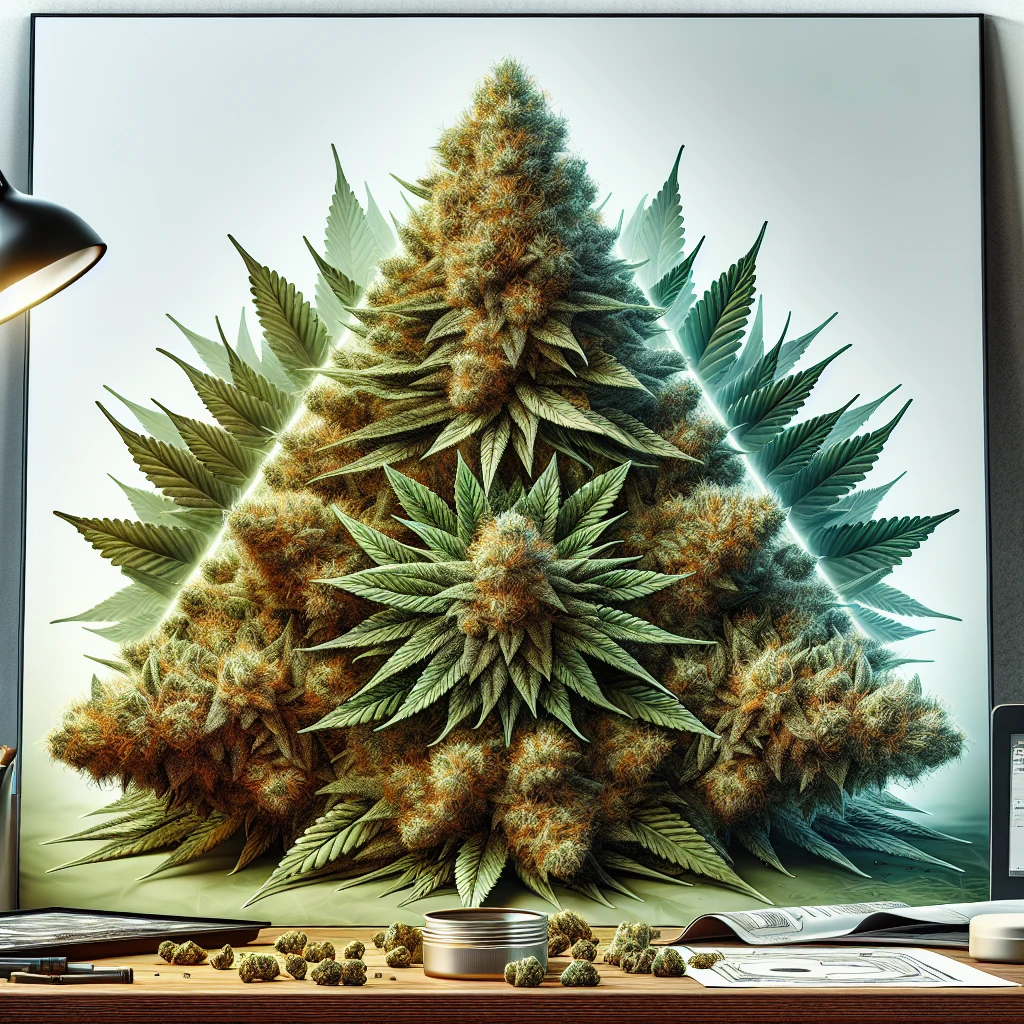
Indica-dominant Hybrid
Triangle Kush
Triangle Kush
THC: 19-21%
View Details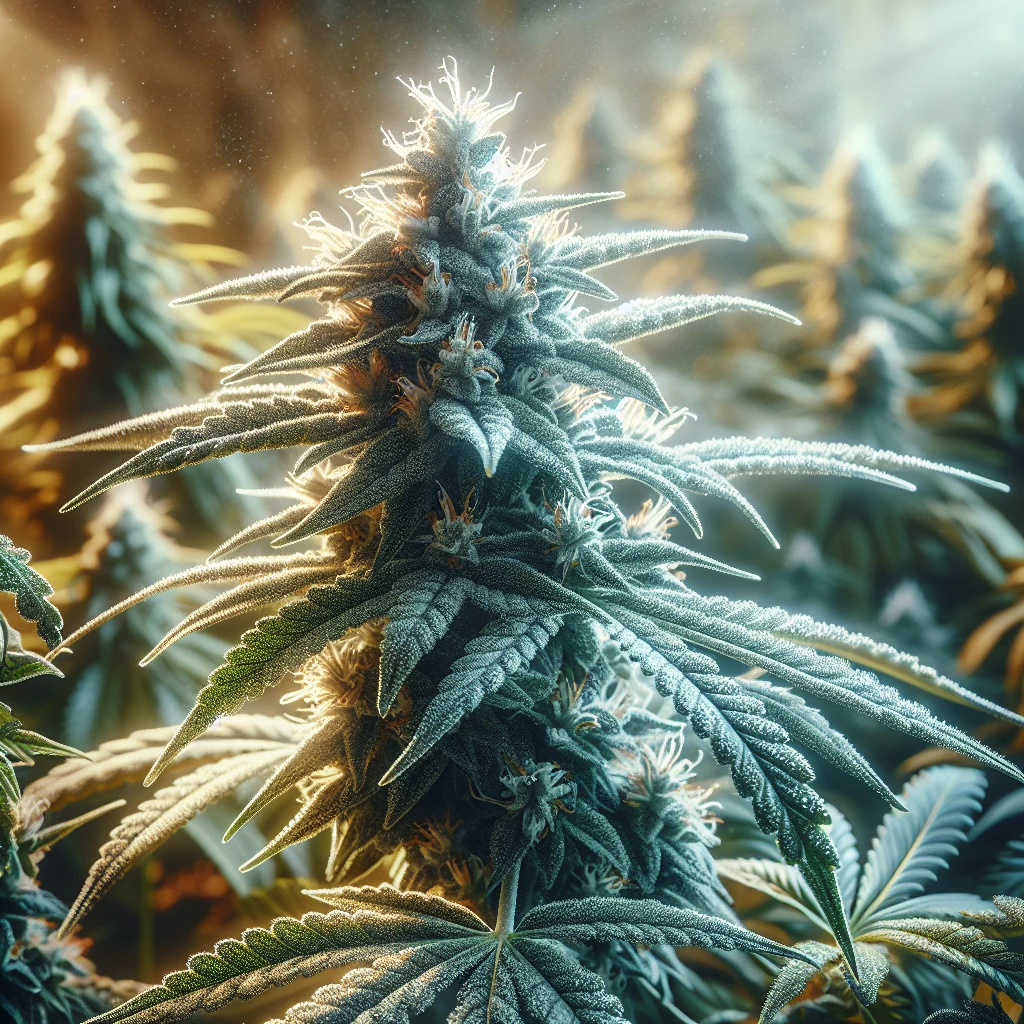
Indica-dominant Hybrid
Velvet Kush
Velvet Kush
THC: 20-25%
View DetailsAbout Kush Cannabis Seeds
Where the Hindu Kush Landraces Came From
The Hindu Kush range runs roughly 500 miles between Afghanistan and Pakistan, and the cannabis populations that established there were shaped by altitude rather than by breeders. Short growing seasons selected for plants that finished quickly. Intense high-altitude UV selected for heavy trichome production, since resin functions as sun protection. Cold nights and low humidity selected for tight, compact structure. Every trait the Kush family is now prized for started as an adaptation to that specific place.
What Landrace Ancestry Actually Passes Down
Resin Density. The trichome coverage Kush strains are known for is inherited UV protection, which is why it survives so reliably through hybrid generations.
Compact Structure. Short internodal spacing and bushy growth came from a climate where tall plants were a liability, and it remains one of the most consistently heritable Kush traits.
Earth and Pine Aroma. The signature Kush nose traces to a terpene profile heavy in myrcene, caryophyllene and pinene that the landrace populations carried natively.
Physical Effect. The grounded, body-weighted character of Kush strains reflects the same terpene inheritance rather than THC content alone.
How Modern Kush Strains Differ From Their Ancestors
OG Kush, Purple Kush and Master Kush all descend from the same original stock but express it differently, and potency is where the gap is widest. The landrace populations were not high-THC plants by contemporary standards. Decades of selection pushed modern Kush hybrids into the 19% to 26% range while retaining the structural and aromatic inheritance largely intact. That combination, landrace character with contemporary potency, is what the strains on this page represent.
Choosing Between Kush Descendants
The practical question is which part of the inheritance you want emphasised. Strains carrying the landrace profile more directly tend toward the heavier, more sedative end and hold the earthy-pine signature most clearly. Those further from the original stock often trade some of that for flavours introduced by the other side of the cross, while keeping the resin density and bud structure. Neither is better; they are different points on the same lineage.