Loading
Loading content, please wait.All Cannabis Seeds
Browse our complete collection of premium cannabis seeds available in Boston, Massachusetts.
Filter by Category

Hybrid
ACDC
Few strains challenge what cannabis can be quite like ACDC. A CBD-dominant phenotype derived from Cannatonic, this remarkable plant delivers 16–24% CBD against a barely perceptible 0.5–1.2% THC — a ratio that makes it one of the most therapeutically oriented varieties ever stabilized. The aroma follows suit: layers of damp earth and pine resin open into a subtle sweetness with faint notes of wild cherry, never aggressive, always grounded. The effects are equally understated by design. ACDC produces a clear-headed calm that doesn't cloud judgment or coordination. People who are sensitive to THC — or who have simply had unpleasant experiences with high-potency varieties — often find ACDC to be the entry point they were looking for. Anxiety stays quiet. Focus stays intact. The body relaxes without the limbs going heavy. There is no high in the conventional sense, only a sustained sense of ease that coexists with a fully functioning mind. Growing ACDC Indoors ACDC is a photoperiod strain that finishes in 9–10 weeks of flower. It reaches moderate height and responds well to low-stress training, making it a natural fit for the standard indoor tent setup. Boston growers working within Massachusetts's six-plant home-grow limit often dedicate one or two of those slots to a high-CBD variety, and ACDC rewards the commitment — its relatively compact canopy and predictable stretch fit comfortably under most 4×4 configurations. Humidity management matters late in flower; the dense, resinous buds can hold moisture, so keeping airflow steady through weeks eight and nine protects the finished crop. CBD: 16–24% | THC: 0.5–1.2% Flowering time: 9–10 weeks (photoperiod) Height: medium, manageable indoors Flavor: earthy, woody, pine, faint cherry sweetness Effects: calm, clear-headed, non-intoxicating For anyone building a home garden around function rather than recreation, ACDC occupies a category almost entirely its own. The flavor is quiet and honest — nothing loud or artificial — and the experience reflects that same quality. Whether the goal is daytime relief without sedation or simply exploring what the plant produces when THC is dialed back to near zero, ACDC makes a compelling case for CBD-first cultivation.
THC: 0.5-1.2%
View Details
Hybrid
Afghan Autoflower
Rooted in the rugged Hindu Kush mountain range, Afghan Autoflower carries the full weight of one of cannabis's oldest and most respected landrace lineages — now reengineered with Ruderalis genetics so it flowers by age, not by light cycle. That distinction changes everything. Unlike its photoperiod counterpart, this strain triggers its own bloom regardless of how many hours of darkness you give it, moving from seed to harvest in roughly 70–80 days without any light schedule management on your end. The auto life cycle also keeps the plant compact — typically under 80 cm — which makes it an ideal candidate for indoor tent grows in Boston, MA where a dedicated 2×4 tent in a basement or spare room is often the most practical setup during the region's long, frigid winters. You get dense, resinous buds with a classic Afghani profile: deep earth, hash spice, and a faint sweetness underneath — all without waiting out a full photoperiod veg cycle or dialing in a light flip. Effects land firmly in indica territory. Afghan Autoflower delivers a heavy body relaxation that builds steadily and settles into something genuinely sedative. THC tests between 16–21%, with CBD well under 1%, so the experience leans toward deep physical calm rather than cerebral engagement. Evening use suits this strain best, and the resin density makes it a strong candidate for home hash production for those interested in concentrates. Genetics: Afghani landrace + Ruderalis THC: 16–21% | CBD: 0.1–0.5% Cycle: ~70–80 days seed to harvest (autoflower) Height: Typically under 80 cm Flavor: Earthy, hash-like, spicy with sweet undertones Best for: Beginners, indoor tent grows, hash production The Ruderalis influence also brings genuine cold tolerance, a trait that aligns well with Afghan's mountain origins. Hardy and forgiving, this strain handles temperature swings without throwing off its auto cycle — a meaningful advantage for any grower working in a space that isn't perfectly climate-controlled. Beginners will appreciate how little intervention the auto genetics require: no light flip, no extended veg management, just a stable environment and consistent feeding through a compact, predictable run.
THC: 16-21%
View Details
Indica
Afghan Kush
Few strains carry the unbroken genetic record of Afghan Kush. Descended directly from the landrace cannabis populations that evolved across the Hindu Kush mountain range of Afghanistan, this pure indica has been shaped by altitude, arid wind, and brutal seasonal swings over centuries rather than in any breeder's greenhouse. That origin story isn't marketing — it shows up in every physical trait, from the plant's compact, resin-blanketed structure to the sheer thickness of trichome coverage on the dried flower. On the nose, Afghan Kush leans hard into the old-world hash tradition it helped create. The dominant myrcene backbone drives a deep earthy musk, while beta-caryophyllene adds a dry, peppery sandalwood warmth underneath. A quiet pinene thread lifts things just enough with a whisper of mountain herbs and fresh pine. The smoke itself is smooth and full — woody on the inhale, with a faint sweetness and lingering spice that builds across a session rather than fading into nothing. The effects arrive slowly and then all at once. THC running between 16–21% delivers a body-first wave that moves from the shoulders downward, replacing tension with a heavy, settled calm. The head stays clear enough early on, but the indica weight compounds with time, making this a strain best reserved for late evenings rather than afternoons with obligations. It doesn't offer euphoria so much as a thorough unwinding. Growing Afghan Kush Indoors in New England Afghan Kush is one of the more forgiving cultivars for growers running tent setups through a long Boston, MA winter. The plant stays short and bushy by nature — manageable in a 4x4 without aggressive training — and its 7–8 week flowering window means indoor runs can be timed and completed regardless of what's happening outside. The dense bud structure does demand steady airflow and humidity control during the final weeks of flower; the same trichome production that makes this strain prized for resin also invites moisture-related issues if the environment slips. Maintain low relative humidity through late flower and the reward is thick, hash-scented colas with serious weight. Keep relative humidity below 45% during weeks 6–8 of flower to guard against bud rot Low-stress training early in veg opens up the canopy without fighting the plant's natural structure Expect 400–500g/m² indoors under adequate lighting; the short stature allows close canopy management Flush the final 7–10 days to preserve the clean, earthy terpene profile on cure Seed-to-harvest phenotype stability is one of Afghan Kush's most underrated traits. Because this is a true landrace rather than a polyhybrid, expression from seed to seed stays remarkably consistent — what you grow from one pack will closely mirror the next. For home cultivators building a repeatable cycle under Massachusetts's six-plant personal-grow allowance, that predictability has real practical value.
THC: 16-21%
View Details
Sativa
Alien Gas XXL Auto
Few autoflowers announce themselves as boldly as Alien Gas XXL Auto. Break open a bud and the pungent diesel funk hits immediately — a sharp, fuel-forward aroma layered with sour citrus that lingers on your fingers and your palate alike. This is a strain built for growers who want presence, both in the garden and in the experience it delivers. Sativa-dominant at its core, Alien Gas XXL Auto produces uplifting, cerebral effects that keep you functional without locking you to the couch. At 16–18% THC, potency lands in approachable territory — strong enough to feel genuinely effective, moderate enough that creative work, errands, or a walk through the neighborhood remain entirely in reach. The energy is clean and motivating rather than anxious, making it a solid choice for daytime sessions when you need a clear head alongside the high. The autoflower genetics are where this strain truly earns its place in a New England grow. Ruderalis heritage means Alien Gas XXL Auto flowers according to age, not photoperiod — no light-schedule manipulation required, no stress about the shorter days of a Massachusetts autumn cutting your season short. Boston growers squeezing the most out of a frost-free window that rarely stretches past late October can run two full outdoor cycles on a balcony or patio, finishing the second harvest well before the first hard freeze arrives. Plants stay compact and manageable, making them easy to move indoors if an early cold snap threatens, and the hardened Ruderalis background gives them genuine resilience against the temperature swings that come standard with a New England growing season. Flowering time: 7–9 weeks from seed — among the faster autoflower timelines Yield: XXL designation reflects above-average output for an autoflower cultivar Height: compact and discreet, well-suited to balcony, patio, or tent grows Aroma: diesel and fuel-forward with pronounced sour citrus undertones Effects: uplifting, creative, functional — sativa-leaning without edge-of-anxiety intensity THC: 16–18% | CBD: 0.1–0.5% The "XXL" in the name is not marketing fluff — this auto is bred to push yield boundaries that compact autoflowers often can't reach, rewarding attentive feeding and good light without demanding the complexity of a photoperiod grow. Whether you're working within the Massachusetts six-plant home-grow limit and want each plant to count, or simply running a single tent through a long New England winter, Alien Gas XXL Auto offers a straightforward path to generous, fuel-scented harvests with a high that keeps pace with a productive day.
THC: 16-18%
View Details
Hybrid
Alien Mints
Descended from a cross of Alien OG and Girl Scout Cookies, Alien Mints carries unmistakable pedigree from two of the most influential West Coast genetics of the past two decades. The resulting hybrid punches at 18–22% THC and delivers a layered terpene profile built around limonene, caryophyllene, and myrcene — the combination responsible for its signature cool-menthol opening, sweet dough mid-note, and a deep, earthy-fuel finish that lingers well after the exhale. The onset leans cerebral first, bringing a focused, uplifted clarity that suits creative work or unhurried conversation. After twenty minutes or so, a body component rolls in behind it — not sedating so much as grounding, smoothing muscle tension without pulling the mind under. The balance is why this strain tends to attract people who want something strong enough to feel purposeful but even-keeled enough to stay functional through the evening hours. Growing Alien Mints Indoors in Boston With a 10–11 week flowering window, Alien Mints is firmly an indoor strain for anyone in Boston, MA. New England outdoor harvests typically need to wrap up before mid-October at the latest, and this variety simply cannot finish on that schedule given the region’s shortening days and unpredictable early-autumn rainfall. Running it under controlled light in a grow tent through the long Boston winter actually plays to the strain’s needs: its dense, trichome-heavy colas are prone to botrytis if late-season outdoor humidity gets into them, so the ability to hold canopy RH at 45–50% in weeks six through eleven makes a material difference in bud quality and yield. Keep canopy temperatures between 74–78°F through mid-flower; drops below 68°F slow resin development. Drop relative humidity to 42–48% during the final three weeks to protect dense colas from mold. Topping early and running a low-stress training spread improves light penetration and can push indoor yields toward the 450–500 g/m² range. Expect a height of two to four feet indoors — manageable for a standard 5x5 tent under a 600W or equivalent LED. The plants respond well to moderate feeding programs and do not demand anything exotic from a nutrient standpoint. Growers who have cultivated GSC lineages before will find the growth structure familiar: compact internodal spacing, side branches that want to be trained outward, and buds that stack aggressively once the canopy flips. The payoff is a harvest that smells of cool mint, sweet pastry, and a faint petroleum edge — exactly what the finished smoke delivers.
THC: 18-22%
View Details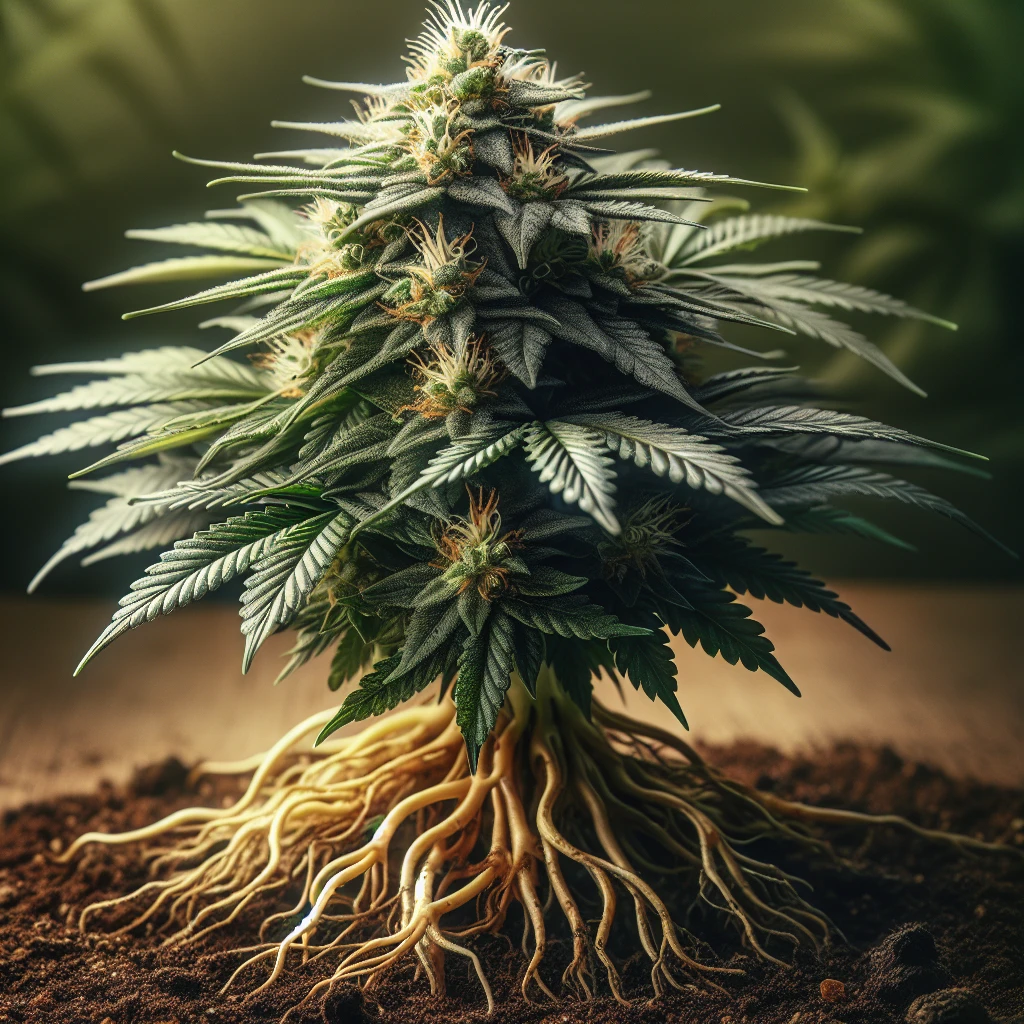
Hybrid
Amnesia Haze Autoflower
\r\n Citrus Aroma: The plants emanate a refreshing lemon-citrus scent, punctuated by subtle earthy undertones, invigorating the senses. \r\n Swift Growth: As an autoflower, Amnesia Haze offers a rapid grow cycle, perfect for multiple harvests within a single season. \r\n Energetic High: Known for its potent effects, this strain energizes the mind and stimulates creativity, making it ideal for daytime use. \r\n
THC: 16-18%
View Details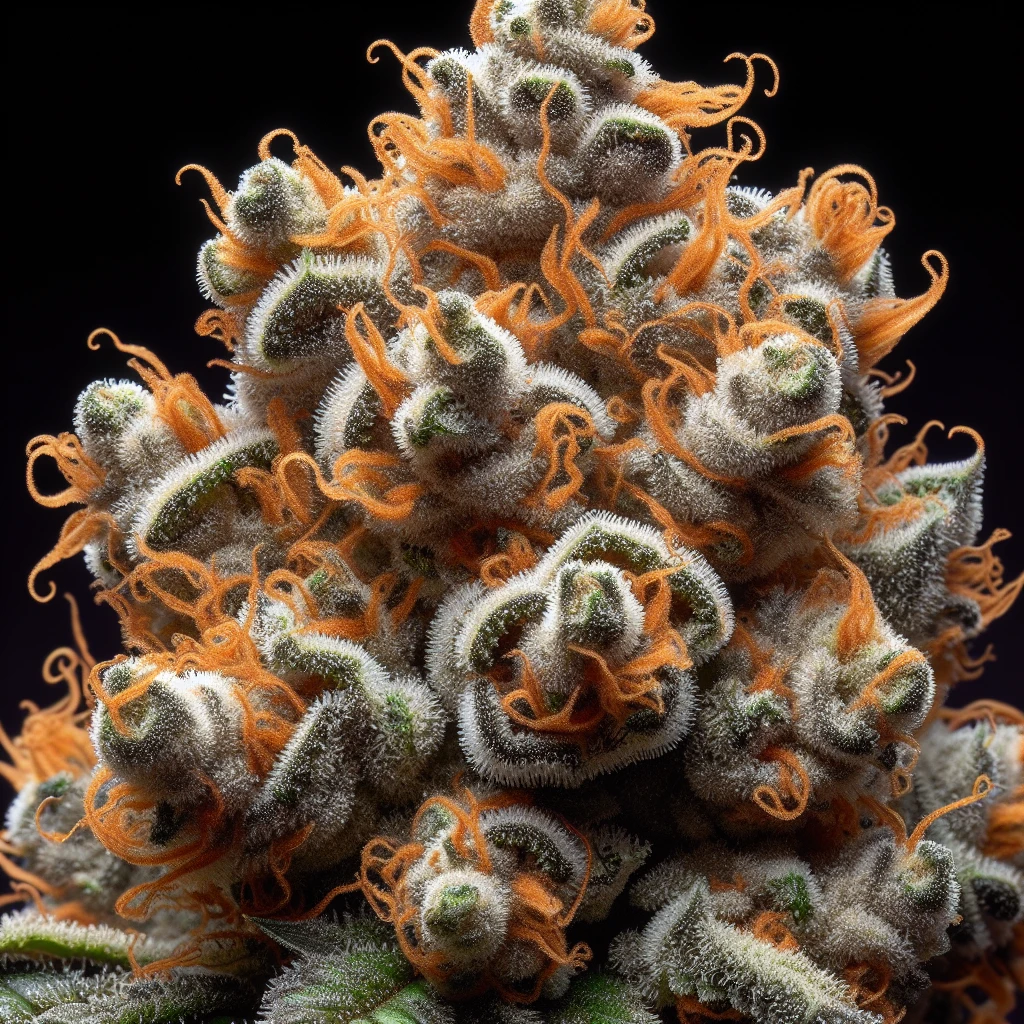
Hybrid
Animal Cookies
Few strains nail the intersection of dessert-sweet flavor and genuine sedative weight the way Animal Cookies does. Bred by crossing Girl Scout Cookies with Fire OG, this indica-leaning hybrid carries the cookie lineage's signature sweetness while Fire OG piles on a denser, heavier body effect. The result is a plant that smells like vanilla wafers dusted with damp earth and roasted nuts — an unlikely combination that somehow works completely. THC levels ranging from 18–23% put Animal Cookies firmly in intermediate-to-advanced territory. The high arrives in two clear stages: an initial wave of elevated, almost floaty euphoria that settles into a thorough full-body relaxation. Caryophyllene and myrcene dominate the terpene profile, which explains both the spicy-earthy backbone on the exhale and the pronounced physical heaviness that follows. Humulene adds that faint roasted-nutty quality that experienced users often recognize immediately. This is not a strain for staying productive — couch-lock is a realistic outcome at higher doses. Grow Notes for Indoor Cultivators Flowers in 9–10 weeks; better suited to a controlled indoor environment than outdoor plots Runs indica-compact in structure — low, dense canopy responds well to LST or light defoliation for airflow Produces heavy resin; trichome density makes the buds sticky and fragrant well before harvest Intermediate grower experience recommended — finicky about humidity swings and nutrient consistency Yields are moderate; quality and potency compensate for what it lacks in volume For cultivators working out of a Boston, MA grow tent, Animal Cookies is a practical choice precisely because it demands indoor conditions anyway. The strain's dense bud structure and high resin output make it particularly susceptible to botrytis in humid environments, which rules out most New England outdoor grows — the damp autumn air rolling off the harbor doesn't cooperate with this one. Indoor control over temperature and airflow is where Animal Cookies actually thrives, making a climate-controlled setup in a Boston apartment or basement the natural home for this strain. On the flavor front, the smoke delivers cookie dough and faint cherry up front, with vanilla lingering on the palate well after the exhale. The aroma while growing is pungent enough to require carbon filtration — this is not a subtle plant. Seeds produce phenotypes that can vary slightly in their lean toward the GSC sweetness or the Fire OG fuel undertone, which makes the breeding process interesting for those hunting a specific expression.
THC: 18-23%
View Details
Hybrid
Animal Face
Bred by Seed Junky Genetics, Animal Face pairs Face Off OG with Animal Mints to produce a 60/40 sativa-leaning hybrid that punches well above its listed THC range. Dense, resin-coated buds form in 9 to 10 weeks of flowering, and the terpene stack — myrcene, limonene, and caryophyllene — delivers an earthy, citrus-forward aroma with a peppery kick on the exhale. THC consistently lands between 18 and 22%, which is enough potency to satisfy experienced consumers without overwhelming the palate. The onset arrives quickly: a surge of cerebral clarity and mood elevation that feels more purposeful than racy. Creative work, conversations, and active afternoons pair naturally with this phase. As the session continues, a warm, full-body comfort settles in without the heavy couchlock associated with pure indica strains. The overall arc runs energetic to mellow, making Animal Face genuinely versatile across different parts of the day. Growing Animal Face Indoors Boston, MA home growers keeping plants under tent lights through the long winter months will find Animal Face a rewarding, if slightly demanding, project. The cultivar stretches noticeably during the first two weeks of flower and benefits from topping and low-stress training to keep the canopy even. Adequate airflow through the tent matters — dense bud structure can trap moisture. Expect harvest-ready plants in 9 to 10 weeks once the flip is made, with frosty, chunky colas as the payoff for attentive feeding and defoliation. Flavor at consumption time circles back to the lineage: a complex blend of sour citrus and diesel earthiness from the OG side softened by the minty, cookie-adjacent sweetness Animal Mints contributes. The smoke is smooth enough for most pieces of glassware, and the aroma in the grow space is pungent enough that carbon filtration is strongly advisable. Animal Face rewards growers who dial in their environment and pay attention to late-flower nutrient tapers.
THC: 18-22%
View Details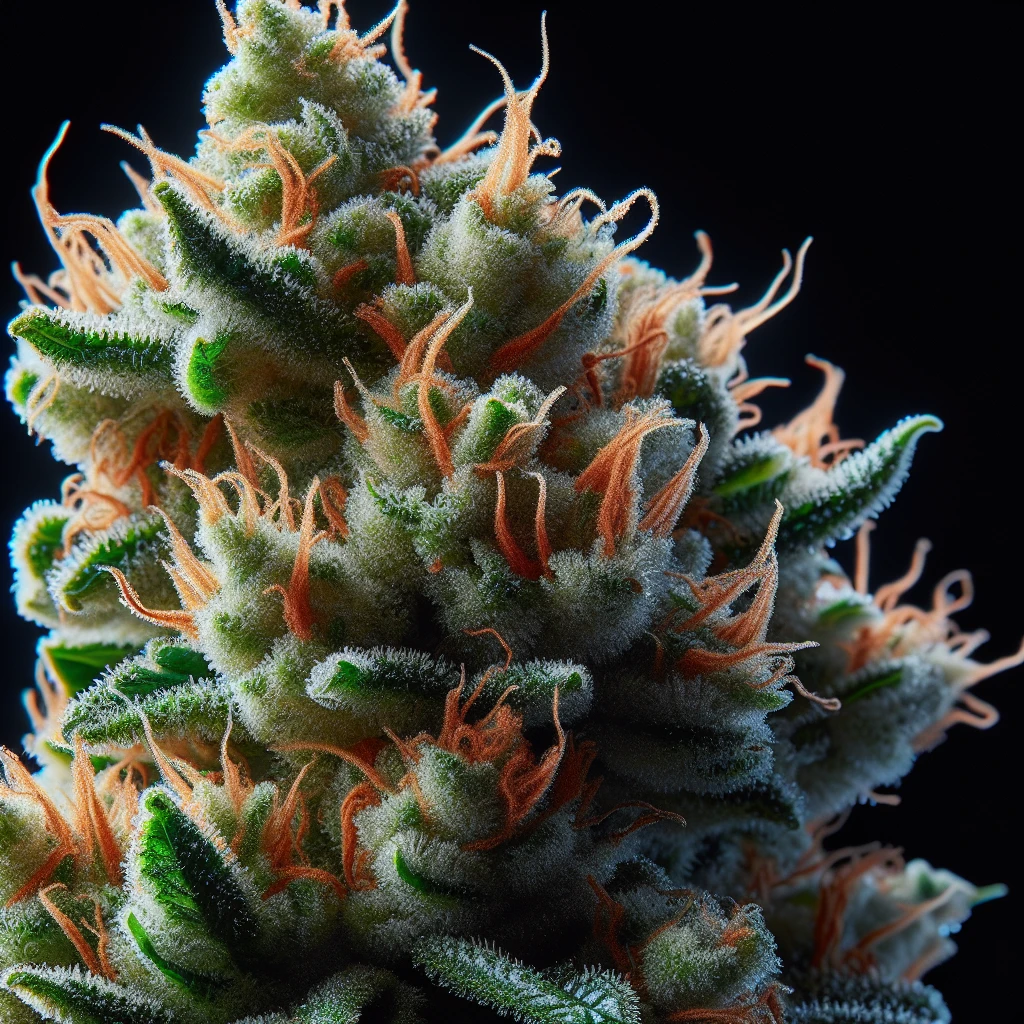
Hybrid
Apple Fritter
Pull a fresh tray from the oven, catch that first rush of baked cinnamon and warm fruit, and you are already halfway to understanding what Apple Fritter smells like. This 50/50 hybrid descends from Sour Apple and Animal Cookies — Sour Diesel and Cinderella 99 on one side, Girl Scout Cookies and Fire OG on the other — a lineage that stacks sweet aromatics onto a powerfully resinous foundation. THC runs 18–21% in well-grown specimens, making it a potent but approachable cut for cultivators who know their way around dense, trichome-heavy flowers. Flavor, Terpenes, and Effects Dominant caryophyllene and limonene drive the palate: think spiced apple pastry on the inhale, a citrus-bright exhale that lingers. Myrcene and humulene round out the background with soft earthiness. Effects arrive fast — within a few minutes expect a euphoric head lift that settles into broad-shouldered body relaxation. The high is even-handed enough for early evening use without putting most people fully to sleep, making it a reliable strain for winding down after a long day without losing the rest of the night. For growers, Apple Fritter takes 9–10 weeks to finish indoors and stacks on weight noticeably in the final two weeks of flower. Those late-bulking buds are dense and heavily coated, which is exactly why humidity management matters so much. Indoor cultivators running a tent through a Boston, MA winter actually have a useful advantage here: the cold, dry outdoor air makes it straightforward to pull fresh intake air that holds 40–50% relative humidity with minimal dehumidifier work, keeping bud rot at bay during that critical late-bloom stretch. Expect moderate grow difficulty — this is a strain that rewards growers who provide solid airflow, staking for heavy colas, and a steady nutrient program through the late flowering surge. Yields are generous when conditions are dialed in. The compact indoor profile and the dessert-forward appeal make Apple Fritter a strong choice for Massachusetts home growers working within the state's six-plant limit, where every plant needs to pull maximum quality and weight.
THC: 18-21%
View Details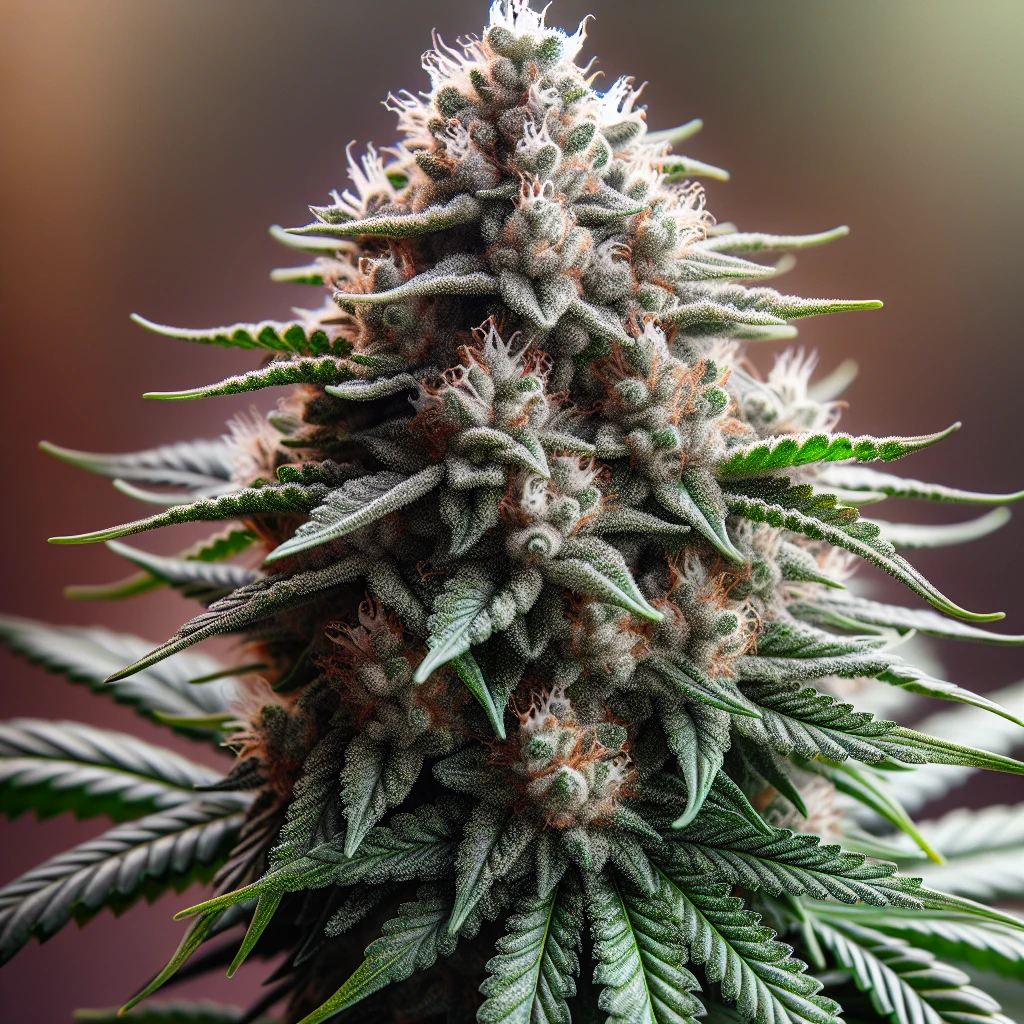
Hybrid
Apple Fritter Autoflower
\r\n Autoflowering Convenience: These seeds are ideal for those who appreciate the simplicity of automatic flowering, reducing the need for careful light management. \r\n Sweet Apple Aroma: The buds exude a delightful fragrance reminiscent of apple pastries, enhancing the overall sensory experience. \r\n Compact and Manageable: Perfect for smaller spaces, these plants remain compact, making them easy to fit into limited growing areas. \r\n
THC: 18-22%
View Details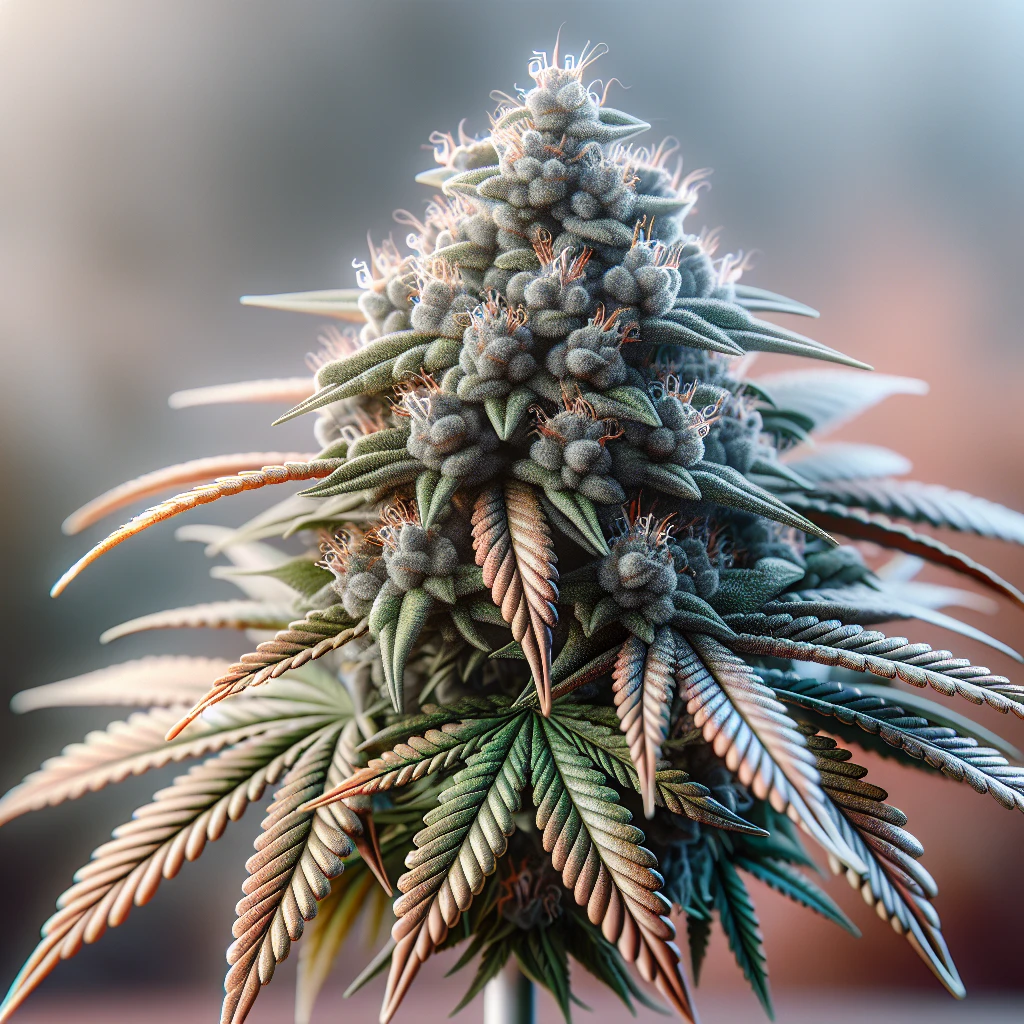
Hybrid
Apricot Chem
Stone-fruit sweetness colliding with raw chemical funk — that combination is exactly what makes Apricot Chem stand apart from the wave of dessert hybrids that have dominated shelves in recent years. The genetics pull from an apricot-forward cultivar layered onto a Chem family cut, and the result is a terpene stack dominated by myrcene, ocimene, and beta-caryophyllene that expresses ripe apricot jam up front with an unmistakable diesel backslide. THC runs between 18–20%, keeping the potency in a range that rewards moderate sessions rather than punishing newcomers. Effects and Experience The high opens with a buoyant mood lift that settles behind the eyes and loosens the jaw — a functional cerebral warmth rather than a jarring sativa rush. Over the following thirty to forty-five minutes, a gentle body calm moves in from the shoulders down, making Apricot Chem well-suited for unwinding without surrendering the rest of the evening. It sits comfortably between an afternoon unwinder and an early-evening session, versatile enough to serve creative work or simply a long walk through the neighborhood. Cultivating Apricot Chem rewards growers who stay attentive to the canopy. The plant stretches moderately in early flower and pushes dense, resinous buds coated in amber-tinged trichomes that mirror the apricot theme right down to the color. Flowering lands in the 9–10 week window, and yield potential is solid with light defoliation and proper airflow through the lower third of the plant. For growers running tent setups in Boston, MA, where the long winters make year-round indoor cultivation a practical reality, this strain responds especially well to consistent temperature management — keep the room between 68–78°F and relative humidity below 50% in late flower to lock in terpene quality and prevent any late-stage mold pressure. The indica-leaning structure stays compact enough for four-by-four tents without aggressive training. At harvest, the buds cure into a profile that deepens from fresh apricot toward something richer — dried stone fruit, a hint of caramel, and that persistent chem undertone that sharpens on the exhale. Expect a smooth, medium-weight smoke with a long finish.
THC: 18-20%
View Details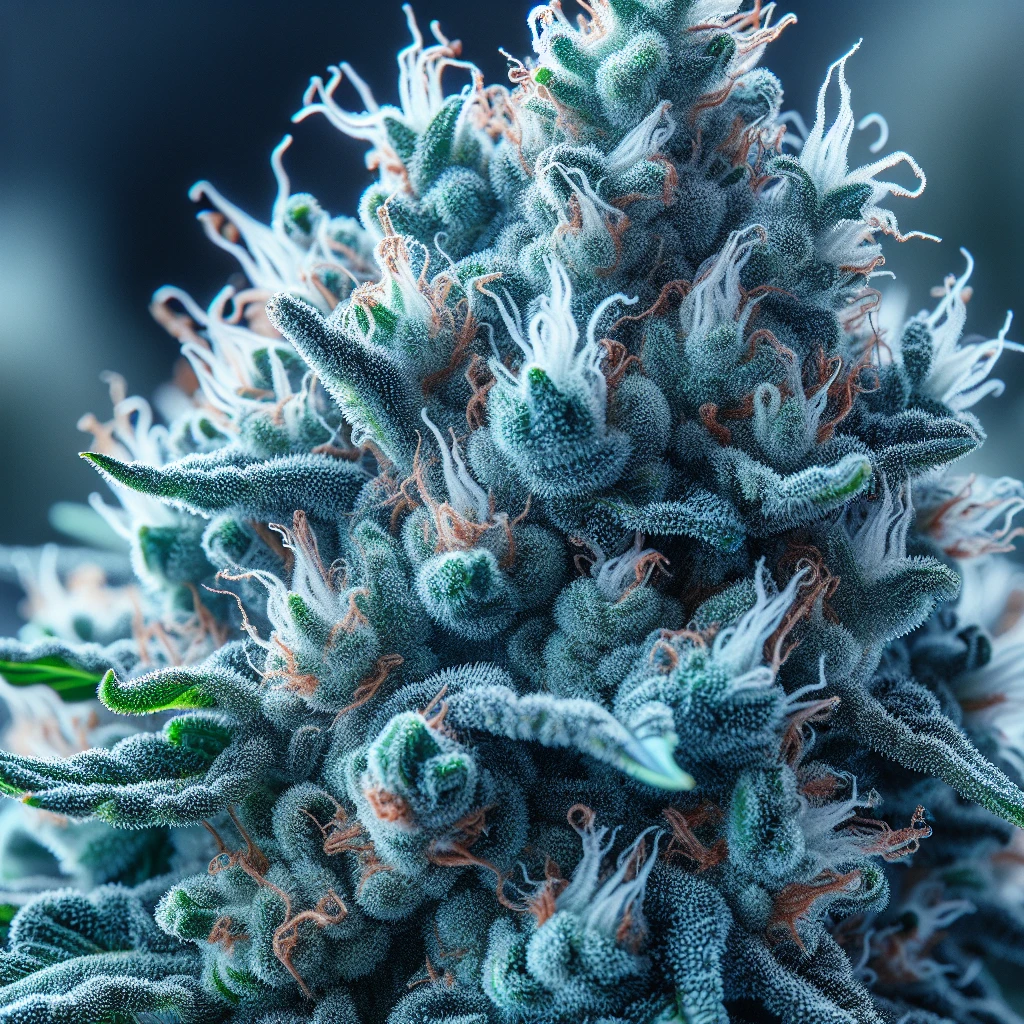
Sativa
Autoflowering Blue Dream
Few strains carry the kind of reputation that Blue Dream has built over decades — and this autoflowering expression delivers that same sweet, euphoric experience without demanding a photoperiod light schedule or a full growing season to do it. By weaving Ruderalis genetics into the classic Blueberry x Haze lineage, breeders unlocked a plant that flowers purely on age, hitting harvest in 10 to 11 weeks from seed regardless of how many hours of light it receives each day. On the nose and on the palate, Autoflowering Blue Dream stays true to its heritage: ripe blueberry upfront, followed by a ribbon of vanilla and a squeeze of light citrus, all grounded by a subtle earthiness that keeps the sweetness from turning cloying. Effects arrive with a wave of uplifting euphoria and a gentle creative clarity that makes it one of the more functional highs in the sativa category. At 17 to 23% THC the potency is real — accessible enough for newer consumers to enjoy without being caught off guard, but substantial enough that experienced users won't feel short-changed. A soft full-body relaxation trails the cerebral lift, making it well-suited to daytime creative work, social afternoons, or anything that benefits from an engaged, unhurried mindset. For growers, the autoflowering life cycle is the defining difference between this version and the photoperiod Blue Dream also offered here. This plant stays compact — typically 60 to 90 cm — which fits neatly into a 4x4 tent or on an apartment balcony without demanding the kind of vertical space a full-size sativa would require. There is no need to manage separate vegetative and flowering light schedules; the plant transitions on its own internal clock, simplifying the grow considerably for first-timers and freeing up time for more experienced cultivators. That autonomy is especially valuable in Massachusetts, where the outdoor growing window between the last frost and the first hard freeze of autumn runs roughly from mid-May to late September — a stretch that suits a 10 to 11 week auto cycle almost exactly. Boston gardeners working under the state's six-plant home-grow allowance can drop a seed in late May, tend it through a New England summer, and pull a harvest well before October cold sets in, without the race against the calendar that photoperiod plants require. The compact structure also means it tucks discreetly into a raised bed or container on a south-facing patio. Autoflowering Blue Dream suits a wide range of growers: beginners who want a forgiving, fast-finishing plant with elite flavor, and veterans who want that classic Blue Dream character in a smaller, schedule-agnostic package. The 10 to 11 week timeline is slightly longer than many autos, but the payoff — genuine Blue Dream aroma, flavor, and effect from a Ruderalis-crossed plant — makes every extra day worthwhile.
THC: 17-23%
View Details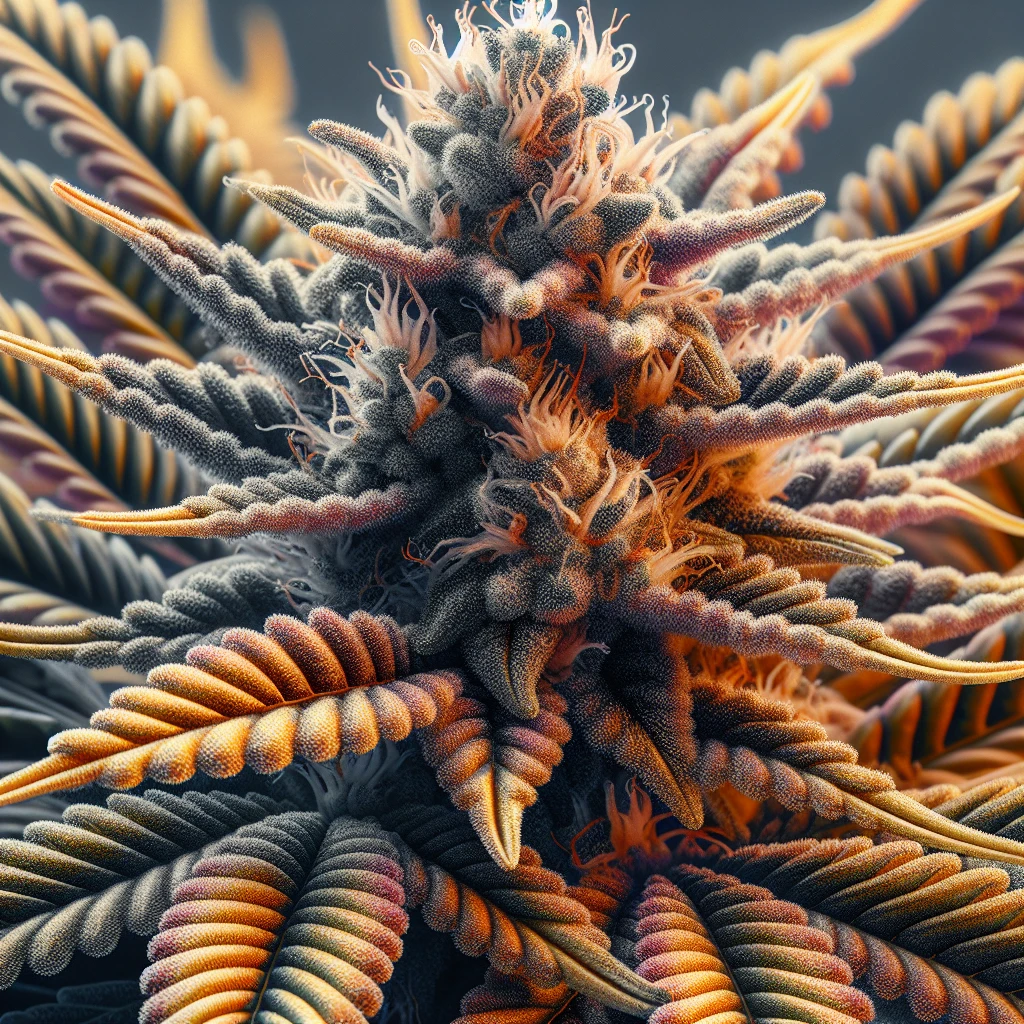
Indica
Autoflowering Gold Leaf
Named for the spectacular transformation that overtakes its fan leaves in the final weeks of flower — a dense frost of golden trichomes that coats the canopy like late-October foliage — Autoflowering Gold Leaf is one of the more visually striking autos you can grow in a tent. That amber-gold sheen is not cosmetic; it signals the same potent, indica-dominant genetics that made the original Gold Leaf a favorite among experienced growers, now packaged in a Ruderalis-crossed autoflower that moves from seed to harvest in just 8 to 10 weeks. Because the auto lifecycle is triggered by age rather than a light schedule change, this strain flowers on its own timetable regardless of the hours you give it. Running it at 18 to 20 hours of light from day one pushes photosynthesis hard through the entire grow and rewards you with dense, resinous buds on a plant that typically tops out between 60 and 100 cm — compact enough to sit comfortably under a 2×2 tent in a spare bedroom. For Boston growers working with Massachusetts' six-plant home-grow allowance, that compact footprint means you can run two or three autos alongside a couple of photoperiod plants without fighting for space or juggling separate light schedules. The flavor profile is layered and worth anticipating: a sweet base with spicy undertones, a citrus brightness that hits mid-exhale, and a faint pine note underneath it all. The effects open with an uplifting, euphoric onset before settling into the deep full-body relaxation that indica-dominant genetics reliably deliver. With THC testing between 22 and 26 percent, this is not an entry-level strain — it suits experienced consumers or those who have built a comfortable tolerance and are looking for genuine evening or nighttime relief. Why Auto Gold Leaf Works for New England Growers Frost-free window fit: Boston's outdoor season typically runs mid-May through early October. An 8–10 week auto planted after last frost finishes well before the first hard freeze — no race against the calendar that photoperiods demand. No light-flip required: Autos ignore the shortening autumn daylength that confuses photoperiods started late. The plant flowers on schedule regardless. Compact height: At 60–100 cm, it stays manageable in a basement or closet tent through a long New England winter grow. Faster inventory: Multiple back-to-back cycles are realistic in a single season, indoors or out. Autoflowering Gold Leaf carries the same dense bud structure and complex aroma as its photoperiod counterpart, but the auto version is a distinct grow experience — faster, smaller, and entirely uncoupled from your light timer. If you've grown the original and wondered whether the auto could match it, the trichome coverage in week nine will answer that question.
THC: 22-26%
View Details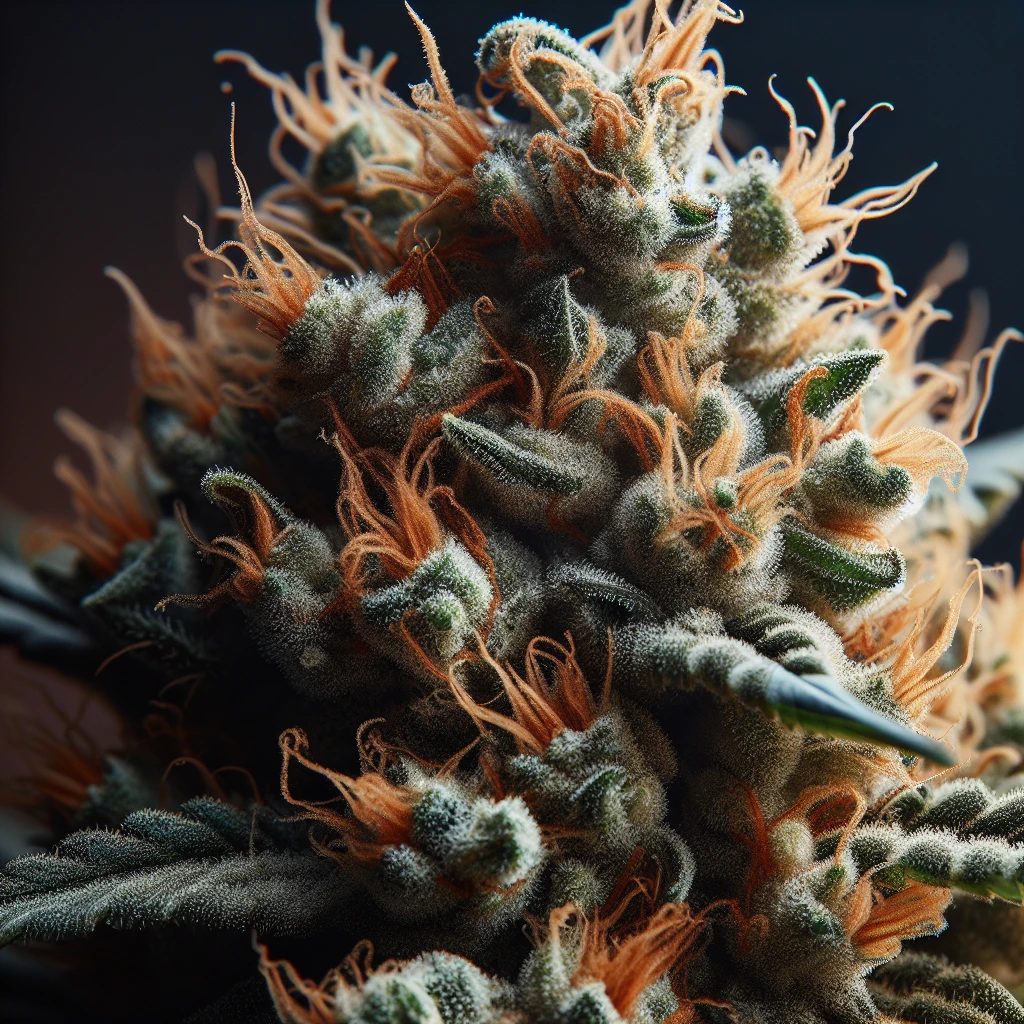
Sativa
Autoflowering Haze
Few cannabis strains carry a lineage as storied as Haze. Born from the crossing of Colombian, Mexican, Thai, and South Indian sativa genetics, the original Haze became a benchmark for cerebral, euphoric highs — but its notoriously long 14 to 16-week flowering cycle kept it out of reach for most northern growers. This autoflowering expression solves that problem decisively. By introducing Ruderalis genetics, the strain sheds its dependence on light schedules entirely, triggering flower automatically based on age and completing the full cycle from seed to harvest in just 7 to 8 weeks. For home growers in Boston, MA, that speed is not a luxury — it is a necessity. The New England outdoor season is brutally short, and photoperiod Haze would still be stretching for buds when October frosts arrive. The autoflowering version slips easily into a full-spectrum tent through a Boston winter, unaffected by the 14-hour nights or the grey weeks of February. Under a consistent 18-6 light schedule indoors, it matures from a freshly cracked seed into a harvest-ready plant before many photoperiod strains have even begun to flip. The Ruderalis cross also tames the sprawling sativa structure somewhat, keeping plants in the 70 to 110 cm range — still taller than most indica autos but manageable within the MA six-plant home-grow limit even in modest tent setups. The sensory profile is as complex as the genetics suggest. Expect a layered aroma of spicy earth, sweet citrus, sandalwood, and incense — a smell that fills a grow room with something close to a spice market. The smoke carries that same aromatic richness through to the palate, finishing with a warm, resinous exhale that lingers pleasantly. THC: 19–24% — potent, best approached with intention by newer consumers CBD: 0.1–0.3% Flowering time: 7–8 weeks from seed Height: 70–110 cm Strain type: Sativa-dominant autoflower The effects are classically sativa: intensely cerebral, fast-moving euphoria that sharpens focus and sparks creativity rather than pinning you to the couch. At 19 to 24% THC this is not a casual strain, but experienced users will find it excellent for daytime work, creative projects, conversation, and outdoor activity. It rewards the grower's patience — brief as that wait now is — with one of the most mentally engaging highs in the autoflower category, a genuine heir to the Haze name without the photoperiod grower's calendar nightmare.
THC: 19-24%
View Details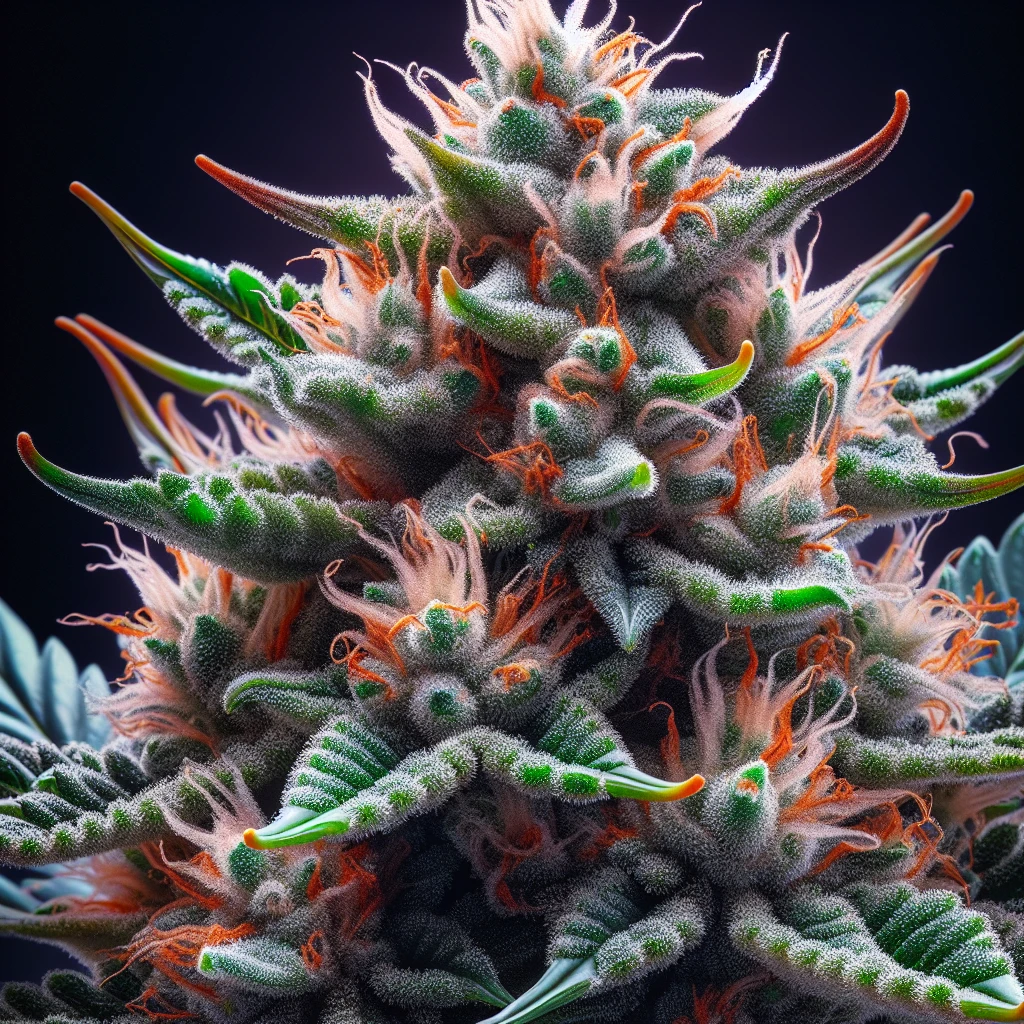
Hybrid
Autoflowering OG
OG genetics carry a particular kind of weight in cannabis culture — earthy, fuel-forward, and unmistakably West Coast in character. Autoflowering OG takes that foundation and routes it through Ruderalis heritage, stripping away the light-schedule dependency while keeping the core profile intact. The result is an 18–22% THC hybrid that flowers in a compact 8–9 weeks from seed, producing dense, resin-coated buds that smell of pine, damp earth, and a faint citrus-fuel edge courtesy of a myrcene, limonene, and caryophyllene terpene base. As a hybrid it leans indica in structure — plants stay medium in stature, branch moderately, and reward basic low-stress training with improved canopy light penetration and more even bud development. The auto life cycle triggers on age rather than light schedule, so growers never have to flip timers or engineer a light change. Indoors under a continuous 18/6 schedule, Autoflowering OG moves from seedling to harvest in roughly nine weeks with yields that justify the short run. For Boston, MA growers working within Massachusetts's six-plant home-cultivation allowance, the auto format is particularly practical. A staggered planting approach — dropping seeds two or three weeks apart — keeps a near-continuous supply cycling through a single tent without juggling multiple light schedules or growth stages in separate rooms. The strain's indica-leaning structure also keeps plants discreet and manageable when floor space is a premium consideration in a city apartment or townhouse. Effects and Use The high opens with a mild cerebral lift that eases mental noise without pushing into anxious territory, then settles into a body-oriented relaxation that most users find suited to evenings or days off. At 18–22% THC, potency is substantial but not extreme, making the experience accessible to regular consumers while still delivering a firm, satisfying effect. CBD levels (0.1–0.5%) remain low, so the experience is squarely THC-driven. Curing for three to four weeks after harvest pays dividends with this strain — the fuel and pine notes mellow slightly while the earthier, more complex undertones come forward. Whether grown in a spare-bedroom tent through a New England winter or taken outdoors once the last frost clears, Autoflowering OG delivers consistent results without demanding the patience of a full photoperiod grow.
THC: 18-22%
View Details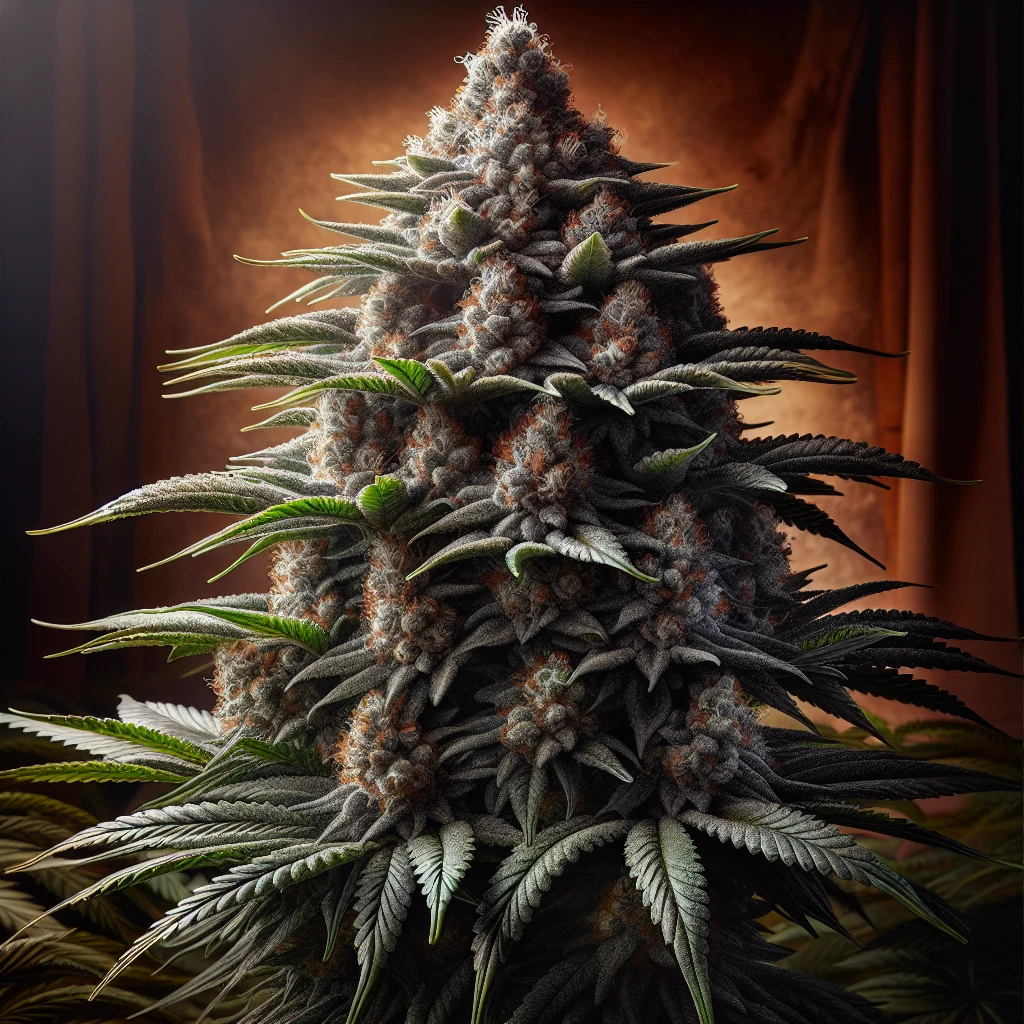
Indica
Big Bud
\r\n Massive Yields: Big Bud plants are celebrated for their large, heavy buds, maximizing output and making them a top choice for yield-focused cultivators. \r\n Thick Resin Coating: The buds are densely coated in resin, enhancing their potency and making them ideal for high-quality extracts. \r\n Relaxing Effects: Ideal for evening use, these seeds grow into plants that provide a powerful, soothing effect, perfect for unwinding. \r\n
THC:
View Details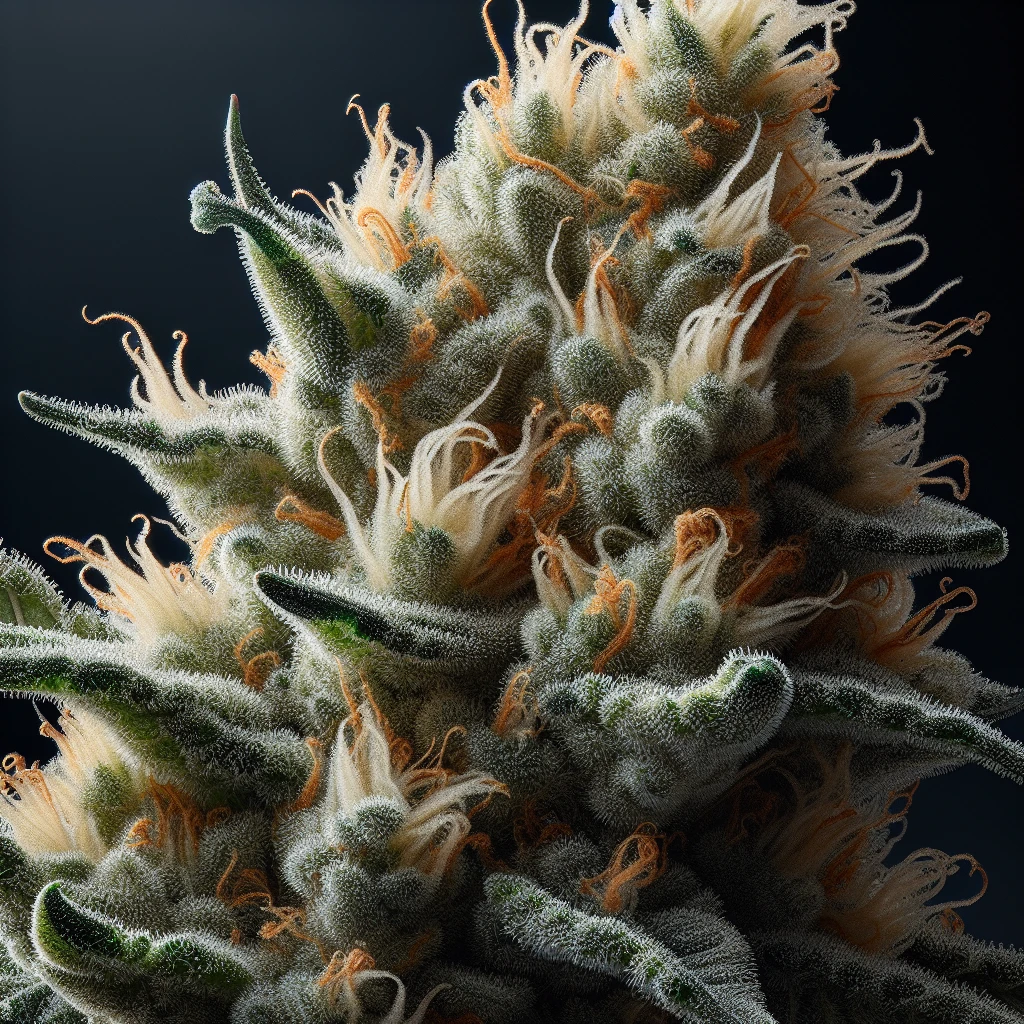
Hybrid
Biscotti
Pull apart a fresh bud of Biscotti and the room shifts — there's a wave of sweet cookie dough layered over espresso and a faint diesel edge that sneaks in on the exhale. That aromatic complexity traces back to a lineage of Gelato 25 crossed with South Florida OG, a pairing that brought together creamy dessert sweetness on one side and a grounded, fuel-inflected OG backbone on the other. The dominant terpenes — caryophyllene, limonene, and myrcene — work in concert to deliver a flavor profile that reads as genuinely rich rather than artificially sweet. Biscotti is an indica-leaning hybrid with 17–21% THC and a short, predictable 8–9 week flowering window. Plants grow stocky with the classic broad-leafed indica structure, staying manageable in height and branching moderately. Indoors, yields come in around 350–450 g/m² under well-dialed conditions. Biscotti's indica-dominant growth pattern means it handles mild cold snaps reasonably well — a useful trait in climates where temperature consistency isn't guaranteed. In Boston, MA, where a home cultivator's outdoor season can run from late May to mid-October depending on the year, Biscotti's 8–9 week flower time fits cleanly inside that window with room to spare. Start seeds indoors in April, transplant after last frost, and the plants finish before autumn humidity settles in and bud rot risk climbs along the coastal corridor. Dense Biscotti colas benefit from good airflow during the final weeks, so thinning fan leaves and ensuring spacing between plants is worth the effort when growing outdoors in the Northeast. What to Expect Flavor: Cookie dough, espresso, vanilla, and diesel undertones on the exhale Effects: Euphoric lift at the onset easing into a full-body relaxation — classic evening-use arc Flowering: 8–9 weeks indoors; fits a Massachusetts outdoor season with time to spare Difficulty: Beginner-friendly growth structure; benefits from basic low-stress training The high builds gradually — a gentle cerebral brightening that gives way to a weighted, mellow body state well-suited to evening hours. At 17–21% THC it's firmly potent without being overwhelming, and a proper 30-day cure transforms the fresh, gassy notes into the fuller baked-cookie sweetness that makes Biscotti one of the more distinctive smelling strains in the Cookies family tree.
THC: 17-21%
View Details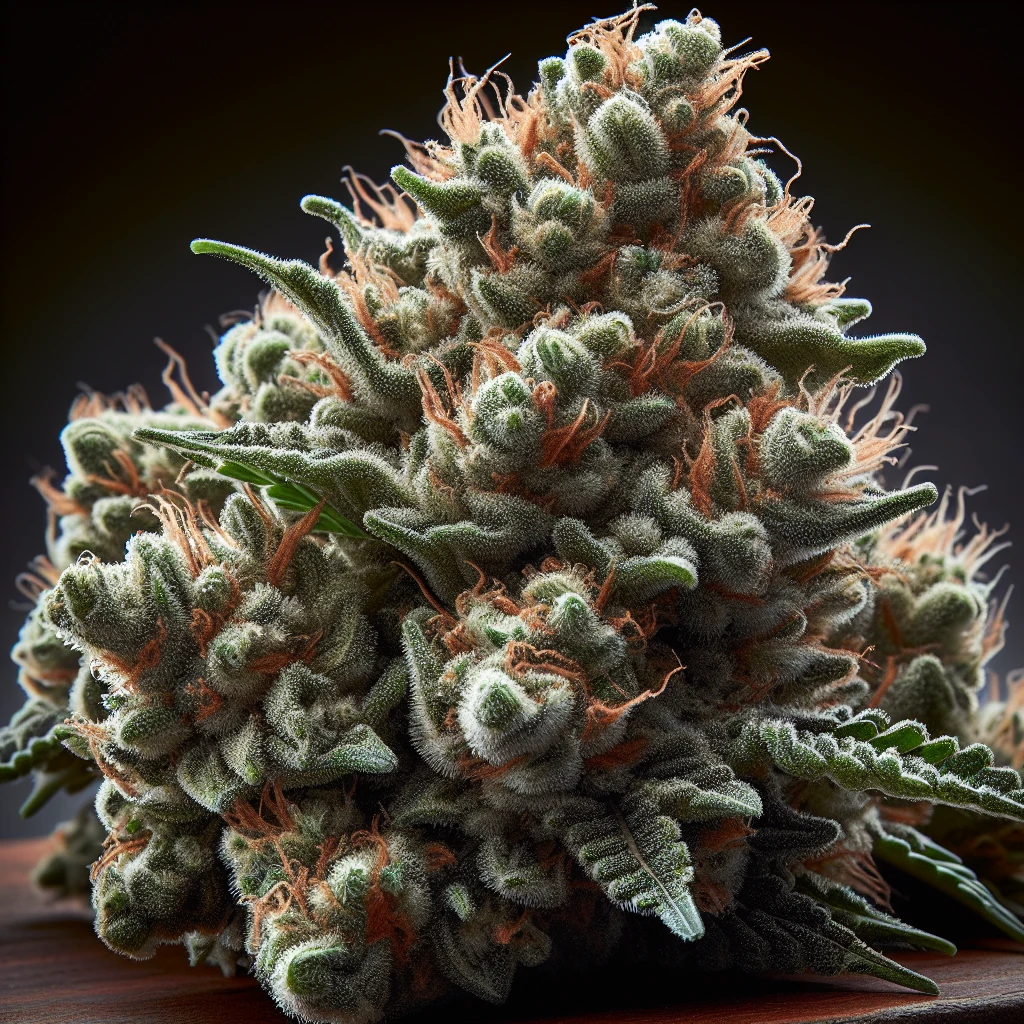
Hybrid
Biscotti Autoflower
Biscotti Autoflower takes the dessert-forward genetics of Biscotti and threads them through an autoflowering Ruderalis line. The result behaves very differently from its photoperiod counterpart while giving up surprisingly little on flavour, which is the whole argument for this particular cross. What survives the Ruderalis introduction is the caryophyllene-led terpene backbone that makes the original recognisable: warm spice, sweet cookie dough, a hint of citrus from limonene, and the earthy depth that lingers after the exhale. What changes is the clock. The auto variant reaches full flower in roughly 7-8 weeks from seed and transitions without any light-schedule change, making it one of the quicker dessert-profile options available. Effects follow the classic Biscotti arc regardless of which side of the cross you approach it from, opening with mild euphoria and mental ease before moving into a more physical, relaxing state. It suits late afternoon and evening, with the body component becoming more pronounced as a session goes on.
THC:
View Details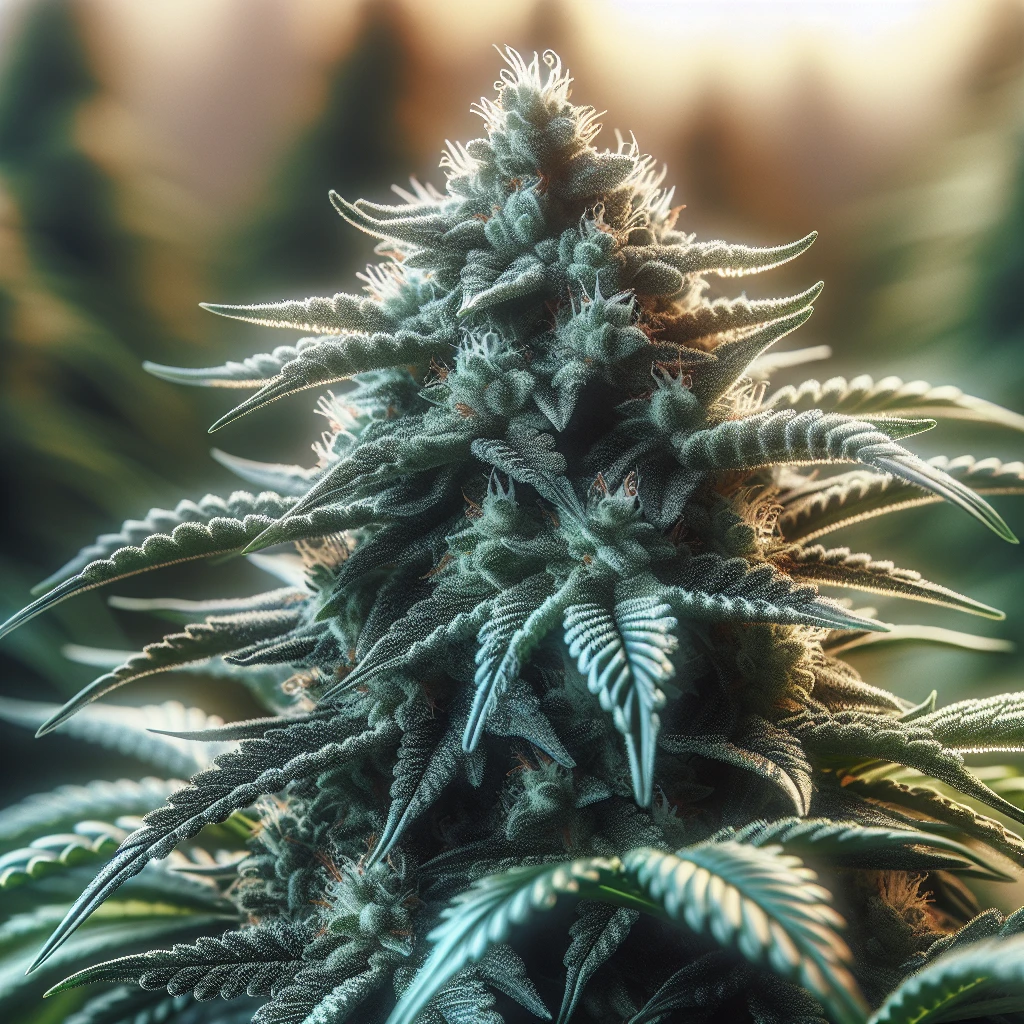
Hybrid
Black Ice
Bred from the union of Black Domina and White Widow, Black Ice carries the structural backbone of two legendary strains into one dense, frost-laden package. The Black Domina parent contributes deep sedative weight and a sharp, piney resin smell, while White Widow introduces the crystalline trichome coverage that gives this hybrid its name. At 17–21% THC, the effect profile lands squarely in that sweet spot between manageable potency and genuine therapeutic depth. On the palate, Black Ice layers earthy pine over a subtle peppery spice, with a woodsy exhale that lingers. Myrcene drives the herbal, musky base note; caryophyllene adds that grinding black-pepper edge; pinene rounds everything out with the clean brightness of a forest floor after rain. The smoke is smooth for a resinous indica-dominant hybrid, and the transition from mental ease into full-body relaxation happens gradually — no sudden floor-lock. Growing Black Ice Indoors With a 10–11 week flowering window, Black Ice sits on the longer end for a hybrid, but the wait pays off in dense, heavily coated colas. Indoor cultivation in a Boston, MA grow tent suits this strain well through the long New England winter — the controlled environment lets growers dial in the 40–50% relative humidity the flowering stage demands, avoiding the bud-rot pressure that strikes unmanaged humid rooms. The plant stays medium height, trains well with low-stress methods, and responds to defoliation during the late stretch phase. Yields are generous for an indica-leaning cross. Expect tight, chunky buds with a pronounced resin output that makes harvest trim both fragrant and sticky. Curing in glass jars for a minimum of four weeks draws out the full complexity of the terpene profile — the pine note deepens and the earthy sweetness becomes more pronounced over time. Black Ice suits growers who want a strain that rewards patience and punishes humidity neglect. Its evening-oriented body high — heavy relaxation, stress dissolution, and a creeping sedation that makes late-night insomnia a non-issue — makes it a reliable fixture in any rotation where serious rest is the goal.
THC: 17-21%
View Details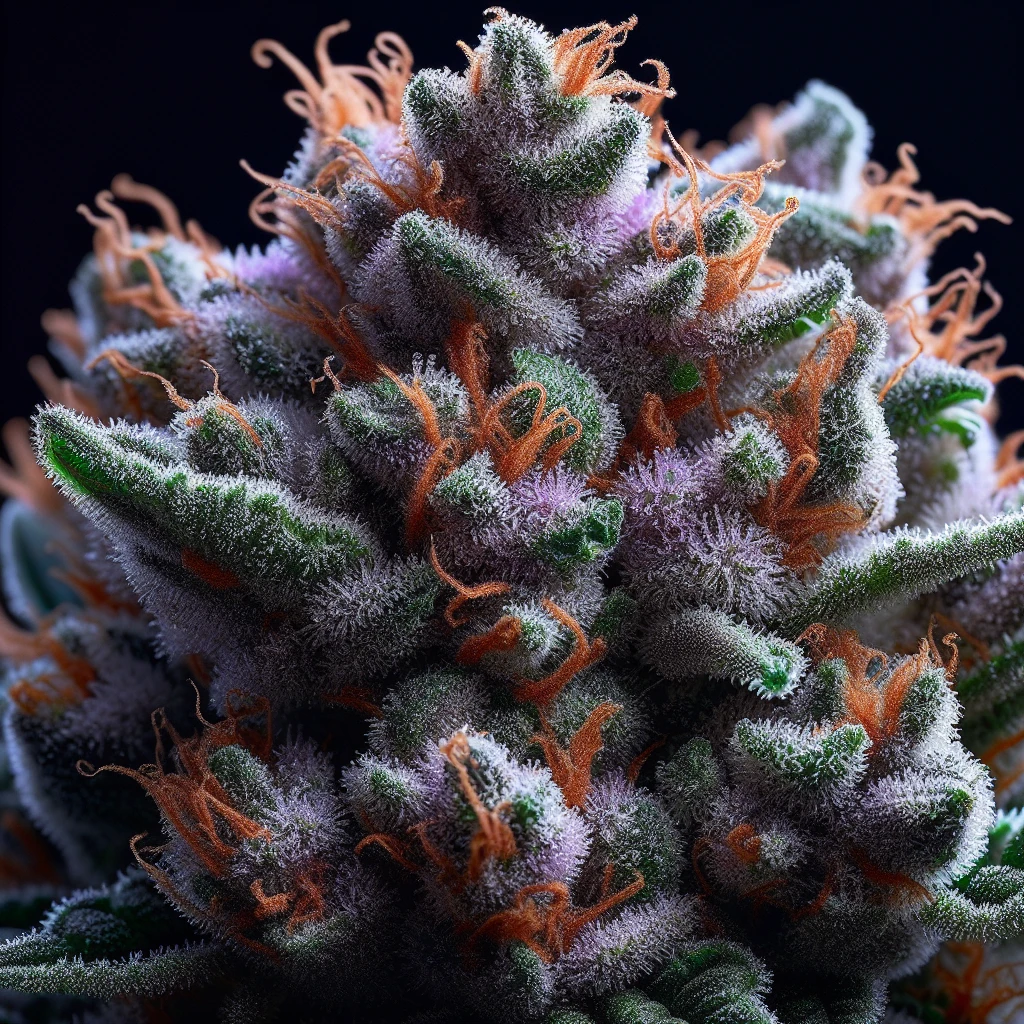
Hybrid
Blackberry Kush
\r\n Berry Aroma: Strong blackberry scents enhance relaxation. \r\n Visually Striking: Dark purple buds, rich in trichomes. \r\n Medicinal Benefits: Ideal for pain relief and sleep. \r\n\r\nBlackberry Kush seeds germinate into vibrant plants with a visually striking appearance, featuring dark purple buds and a heavy dusting of crystal trichomes. These seeds produce plants that emit a deep berry aroma, intertwined with earthy undertones, delivering a soothing, sleep-inducing effect. The strain is admired for its potent medicinal properties, making it a top choice for pain relief and relaxation at the end of a long day.
THC:
View Details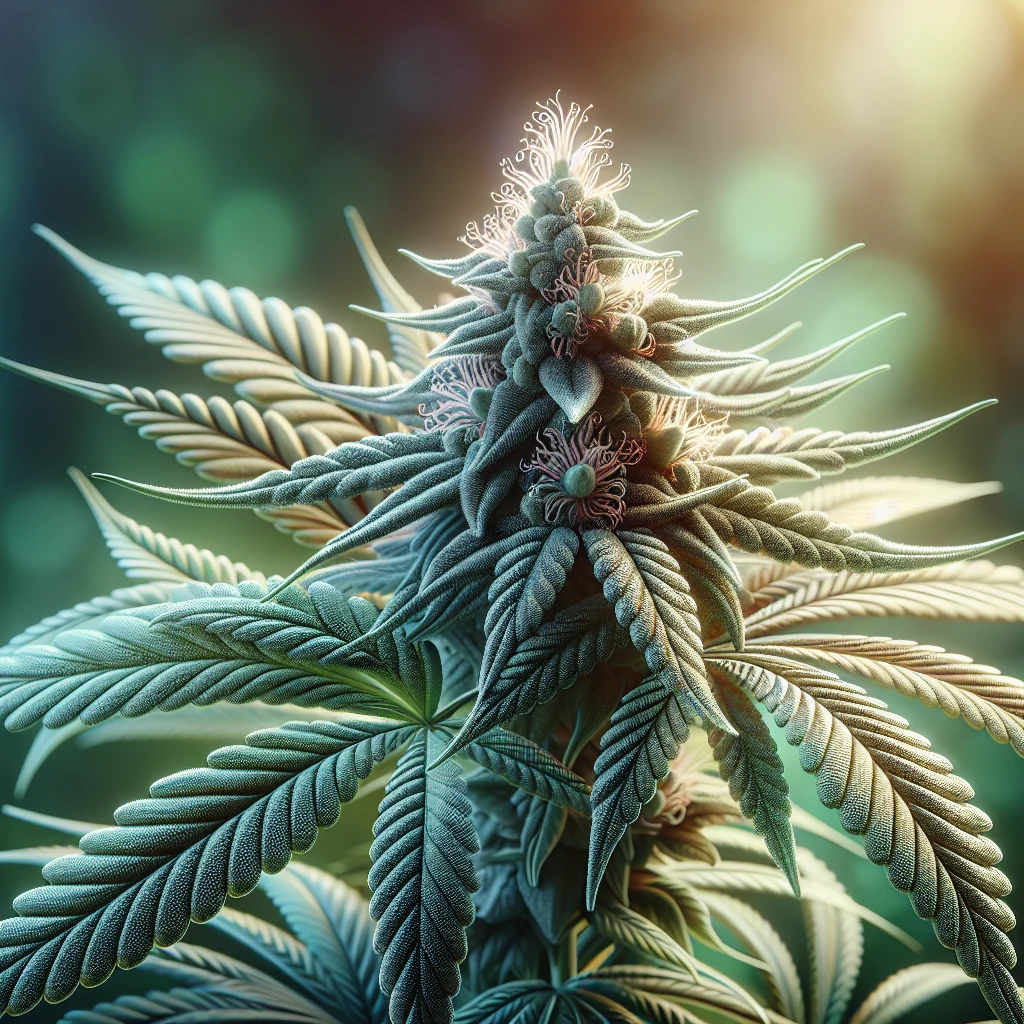
Hybrid
Blue Dream
Few strains have earned their place in the modern canon as completely as Blue Dream. Bred in Santa Cruz, California from Blueberry and Super Silver Haze, this sativa-dominant hybrid occupies that rare middle ground where cerebral uplift and full-body calm coexist without either overpowering the other. THC typically runs 17–24%, while a myrcene-forward terpene stack layered with pinene and caryophyllene gives the buds their signature scent: sweet, jammy berries edged with fresh earth and a whisper of pepper. Flavor, Effects, and Who It Suits On the inhale, Blue Dream tastes like blueberry preserves with a subtle herbal backbone; the exhale finishes clean with a faint piney coolness. The onset is a gradual cerebral brightening — thought flows more easily, mood lifts without tipping into anxiety — followed by a soft physical warmth that keeps energy up rather than dragging it down. Creative professionals, students, and anyone who needs to stay functional while taking the edge off their day will find it well-suited to their pace. Cultivating Blue Dream rewards patience and vertical space. Plants stretch considerably under good light, regularly reaching five to six feet indoors, and they produce dense, resinous colas that can push indoor yields toward 500–600 g/m² when trained properly. The nine-to-ten-week flower window is manageable, and the strain tolerates a range of growing conditions without drama. For home growers operating out of Boston, MA, the local climate puts a firm limit on outdoor timelines. Blue Dream's sativa stretch means it wants warm nights to keep ripening, and Boston's first hard frost often arrives by mid-October — tight, but workable if seeds go in early May and plants are moved outside after last frost. Growers who pull plants in by late September sidestep the mold pressure that coastal New England humidity can bring to dense buds in October. Indoor cultivation lets Boston growers dial in the temperature and airflow themselves, avoiding that guessing game entirely and delivering consistent harvests year-round. Blue Dream sits comfortably within Massachusetts's home-grow limit of six plants per adult, and its forgiving temperament makes it a strong pick for cultivators still building experience. Whether you're running a single tent through a long Boston winter or timing an outdoor plot against the autumn calendar, this strain delivers reliably where it counts.
THC: 17-24%
View Details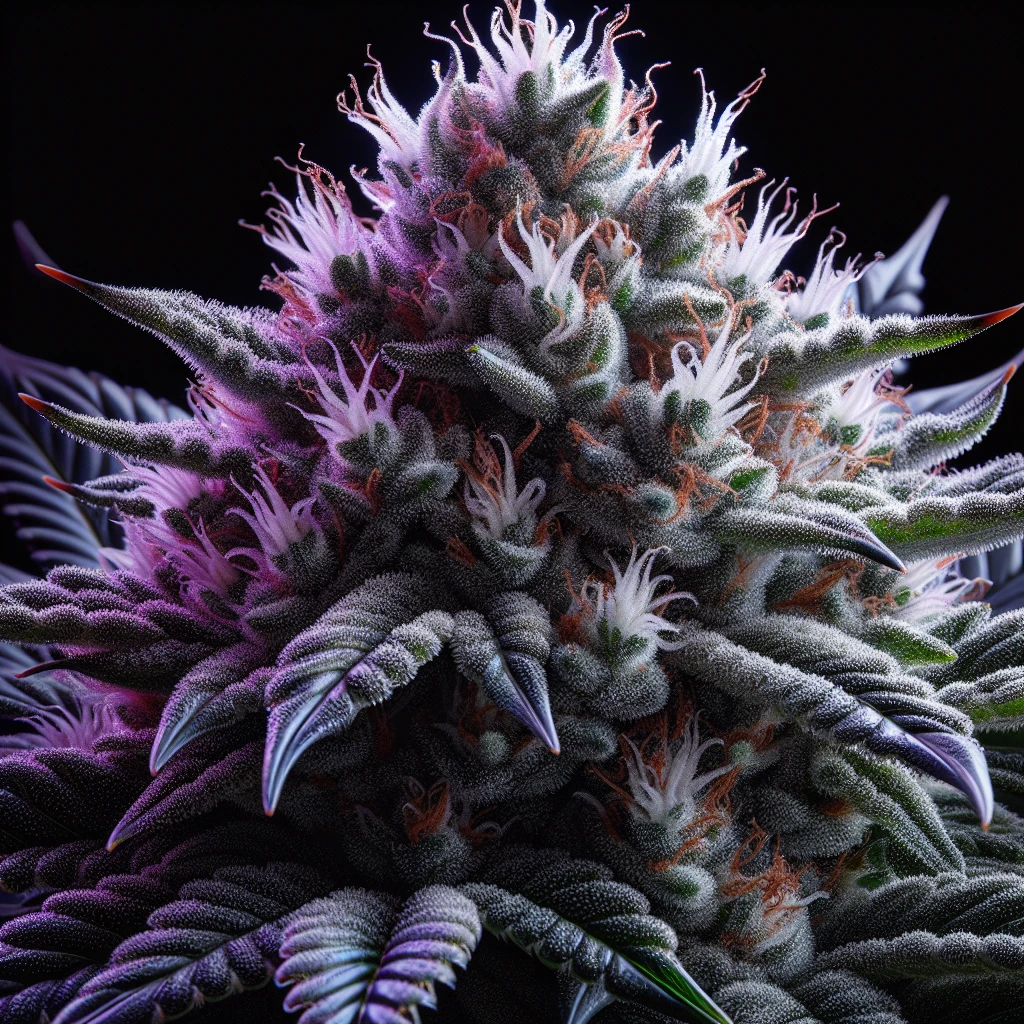
Hybrid
Blueberry Autoflower
DJ Short spent years selecting for one specific quality in his Blueberry line: an authentic, deep fruit aroma that doesn't taste manufactured. The work paid off. Blueberry Autoflower descends from that legacy — built on a foundation of Purple Thai sativa, Afghan Indica, and Highland Oaxaca Gold landrace genetics, then stabilized into an autoflowering line that preserves the characteristic sweet-blueberry scent alongside earthy vanilla undertones. Myrcene leads the terpene profile, backed by pinene and caryophyllene, contributing to both the flavor and the deeply relaxing body effect the strain is known for. As an autoflower, Blueberry reaches harvest in roughly 8–10 weeks from seed without requiring a light-schedule change. Plants grow compact and bushy — typically 75–110 cm — with a tendency toward purple, blue, and near-black hues in the buds when temperatures drop slightly during the final weeks of flower. That cold-triggered coloration is especially easy to coax in a New England grow environment, where nighttime temperatures in a basement tent or unheated outbuilding often dip naturally in autumn. Boston, MA growers dealing with the compressed frost-free window of the Northeast will find the autoflower lifecycle genuinely useful here. Set seeds outdoors after the last frost in May and the plants are typically ready by late July or early August — avoiding the late-summer humidity spikes along the Massachusetts coast that can promote mold in slower-flowering cultivars. For indoor growers running year-round in a home tent, Blueberry Auto's compact height and forgiving feeding requirements make it one of the more manageable choices across back-to-back cycles. Effects and Character The high opens with a calm euphoric quality — mood elevates without sharp stimulation — then eases into a progressive body relaxation that most consumers associate with wind-down use. It's a profile that suits people looking for a predictable, smooth experience rather than anything jarring or intensely cerebral. The flavor on the inhale mirrors the aroma closely: sweet and fruity, unmistakably blueberry, with an earthy finish that grounds the sweetness and keeps it from reading as cloying. Given proper curing time, the profile deepens and the vanilla undertone becomes more apparent, adding complexity to what first appears to be a straightforward fruit-forward strain.
THC:
View Details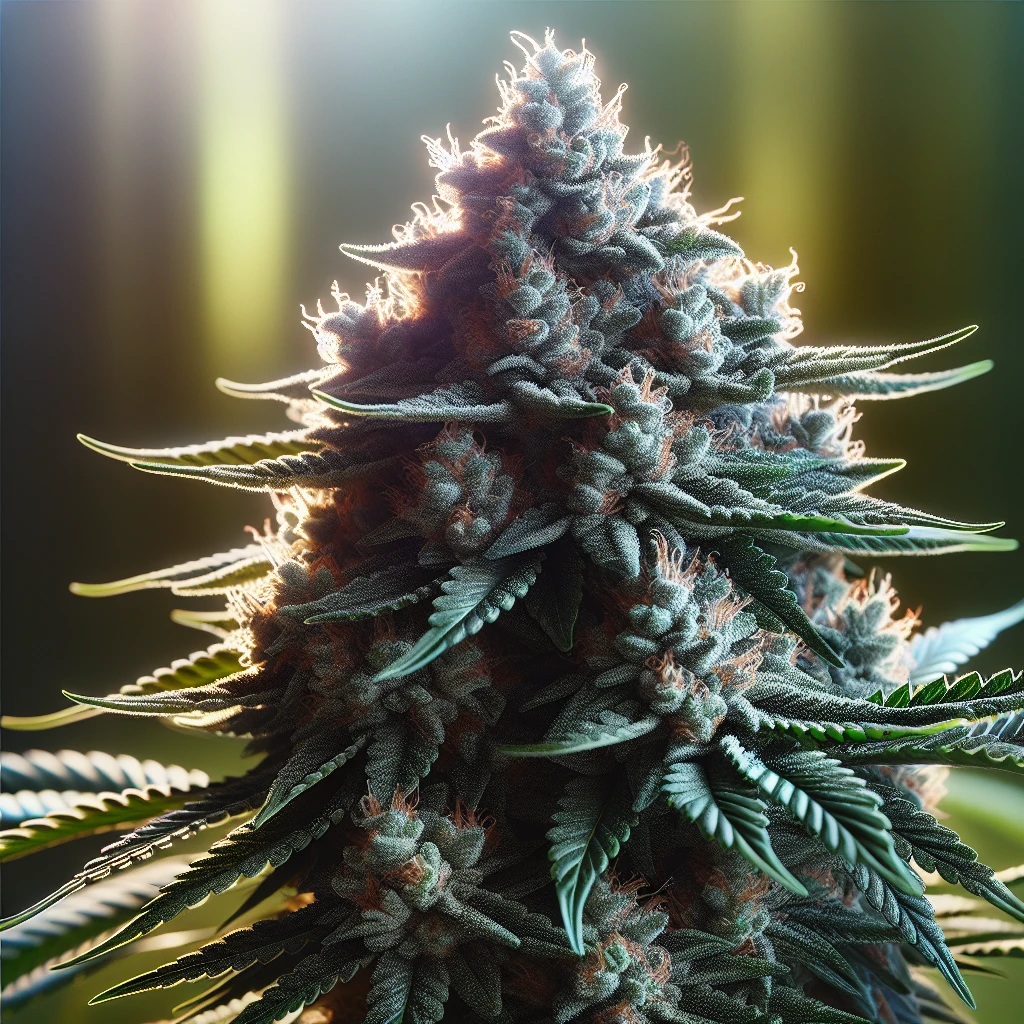
Hybrid
Blueberry Crumble
Blueberry Crumble draws its ancestry from Blueberry and OG Kush, and the two sides split the profile almost down the middle. The Blueberry line brings the ripe jam sweetness and the anthocyanin expression that turns buds purple when nights cool; the OG Kush side brings the faint earthen pine that keeps the whole thing from reading as dessert. Myrcene and caryophyllene form the backbone, with pinene sitting behind them, which is a terpene reading that matches the parentage closely. The nose runs ripe blueberry jam and baked dough first, then the Kush earth underneath. Buds come in dense, resin-dusted clusters with purple showing through under cooler overnight temperatures. At 17-22% THC and under 1.0% CBD, the high arrives as a gentle cerebral warmth before settling into the body without heavy sedation, approachable across a wide range of experience levels. Flowering runs 10-11 weeks.
THC: 17-22%
View Details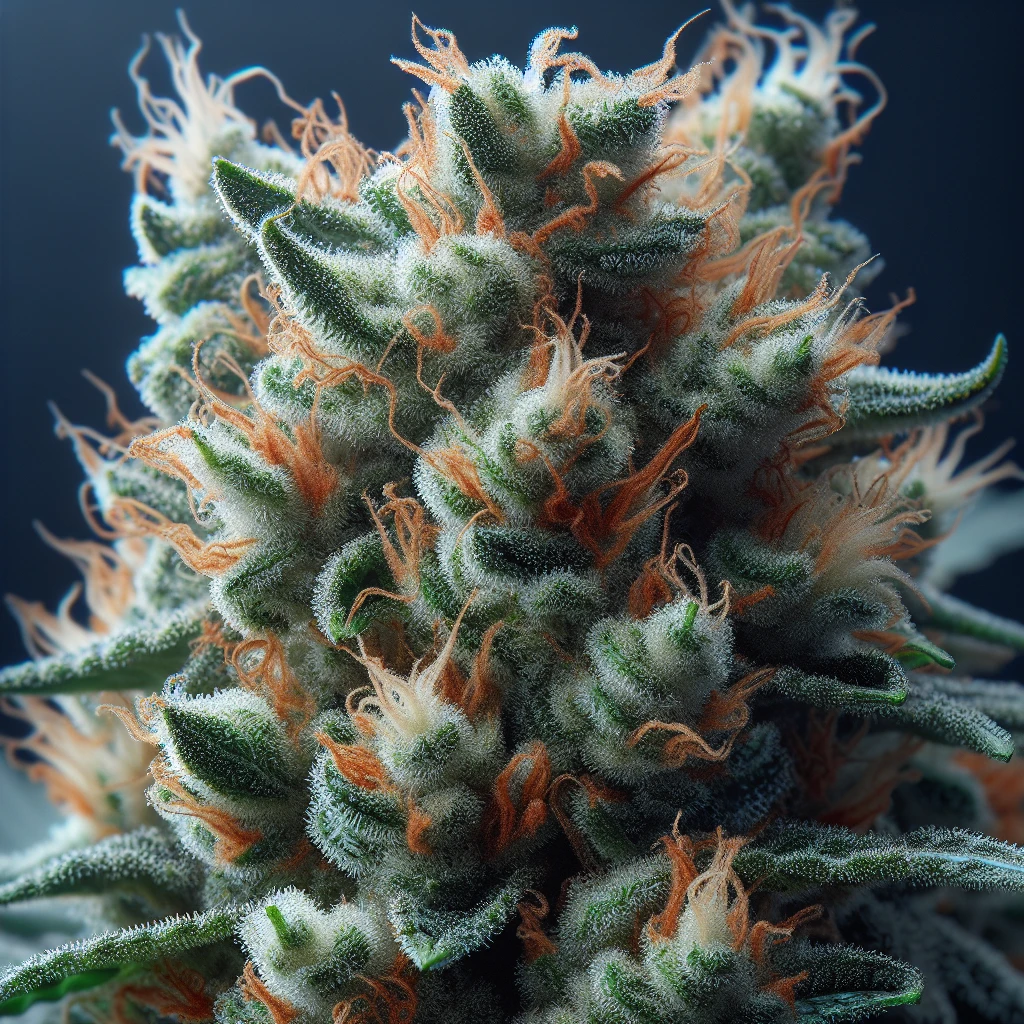
Hybrid
Bobby Wild
Legend OG and GMO Cookies do not get crossed often, and Bobby Wild is what happens when they are. Two pungent parents from different traditions meet here, and rather than cancelling each other out they stack, producing a nose that announces itself the moment a jar cracks open. Legend OG carries the deep skunky earth and pine resin that OG lines are built on. GMO Cookies layers its signature diesel-and-garlic funk over the top. The combination is why the aroma reads as heavier and more savoury than either parent manages alone, and why the flower keeps its pungency well through a cure. THC runs 17-21%, which places Bobby Wild in the experienced-consumer tier without chasing novelty potency. Limonene and beta-caryophyllene drive an initial mood lift that gives way, over twenty to thirty minutes, to a weighted body calm anchored by myrcene. Flowering runs 9-10 weeks.
THC: 17-21%
View Details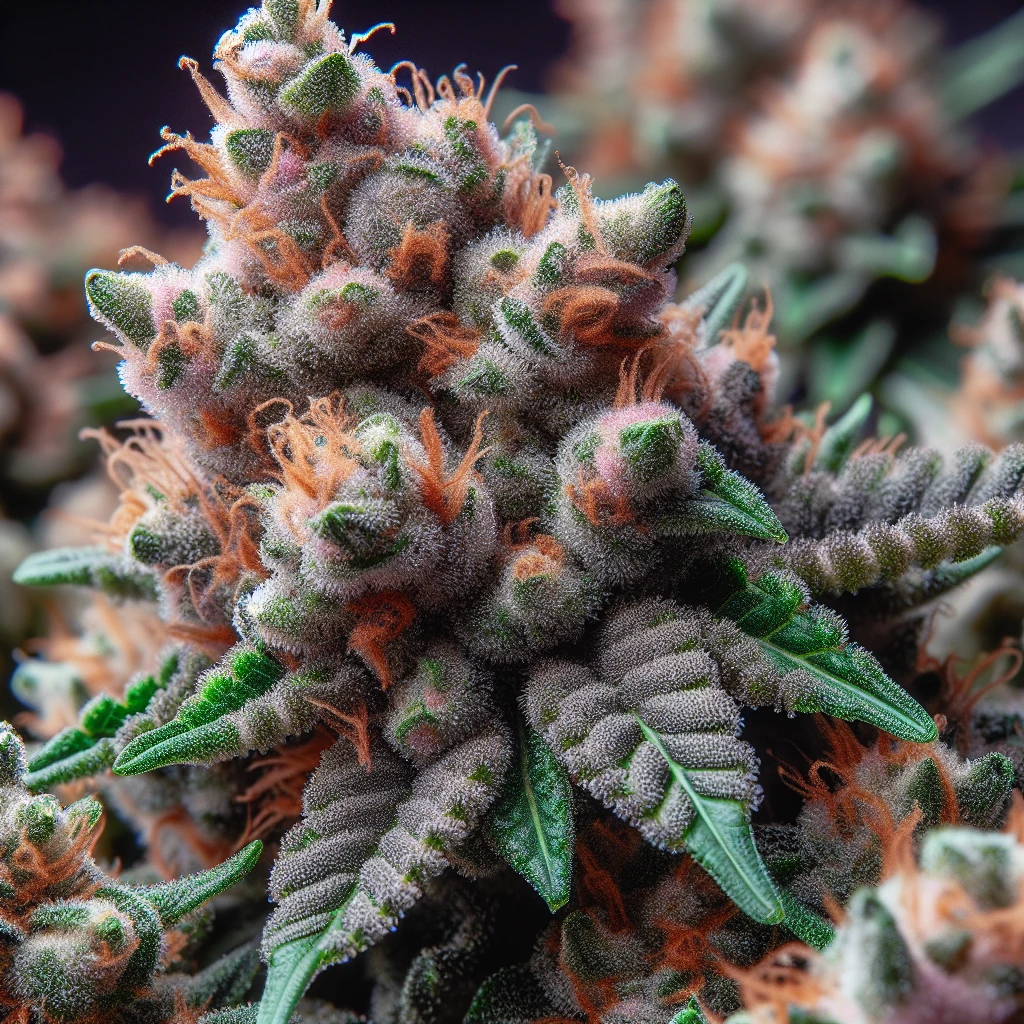
Hybrid
Boss Babe
Boss Babe is one of the hybrids whose breeder keeps the exact cross confidential, so the honest way to describe it is by what the plant expresses rather than by a parentage claim. What is known is that it comes from carefully selected indica and sativa stock, and the balance between the two is the defining feature. Limonene leads the profile from the first exhale, opening on sweet citrus and earthy warmth and settling into a gentle earthiness on the finish. That bright citrus character is the most reliable identifier the strain has, and it carries through both aroma and flavour consistently. THC sits at 18-23% with CBD around 0.1-0.3%, making this a THC-forward cultivar. The effect is confident and clear-headed, focused enough for creative work or social time and grounded enough to carry an evening without edginess, trending toward mood elevation and full-body ease rather than couch-lock. Flowering runs 8-9 weeks.
THC: 18-23%
View Details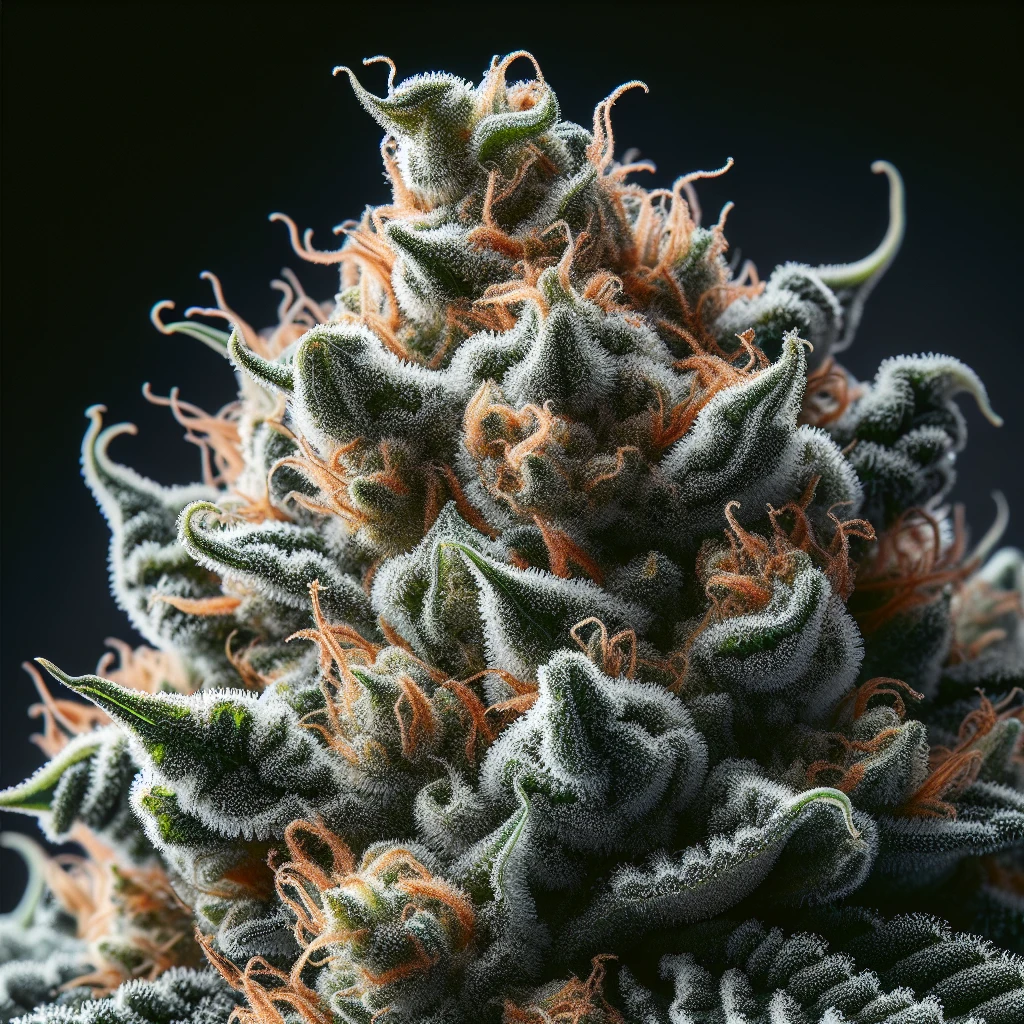
Hybrid
Bro Science
Descended from Zoap and Hashburger, Bro Science arrives carrying the best of both parents into a single, approachable hybrid package. The Zoap side contributes its signature soapy-fruit sweetness, while Hashburger grounds everything with a deep, cookies-and-OG backbone that keeps the nose pleasantly complex without veering into one-note territory. At 16–19% THC, this isn't a strain chasing shock-value potency; instead it channels its cannabinoids into a profile that actually delivers on what the terpenes promise. The effect opens cerebral and bright — a genuine mood lift that clears out mental static and settles into something sociable and creative. After twenty minutes the Hashburger heritage asserts itself as a soft body warmth, the kind that makes a couch feel reasonable without demanding you stay there. Growers and consumers in colder climates appreciate that the experience doesn't ride hot or paranoid, which makes it a sensible choice for a weeknight. Grow Notes Bro Science finishes in 10–11 weeks of flower, which puts it firmly in the indoor-only column for most Boston, MA cultivators. Massachusetts winters run long, and a grow tent in a basement or spare bedroom lets you push through February and March on your own schedule, completely decoupled from daylight hours. The strain rewards that setup generously — yields pushing 500 g/m² are achievable indoors when canopy management and airflow are dialed in. Its growth habit is vigorous but not unruly, with dense, resinous buds that benefit from solid circulation to keep moisture from pooling at the base of the colas. Strain type: Hybrid (Zoap × Hashburger) THC: 16–19% | CBD: 0.1–0.5% Flowering time: 10–11 weeks Indoor yield: up to ~500 g/m² Difficulty: beginner-friendly The flavor on the exhale pulls soapy fruit forward, then transitions through a grassy cookies sweetness with a mild gassy finish that sits on the palate longer than expected. Terpene expression is best preserved with a slow, low-temperature dry — something easier to control in a climate-managed indoor space than in the variable humidity of a New England autumn shed. If you're looking for a hybrid that rewards attentive but uncomplicated growing and pays back in both volume and quality, Bro Science earns its place in the tent rotation.
THC: 16-19%
View Details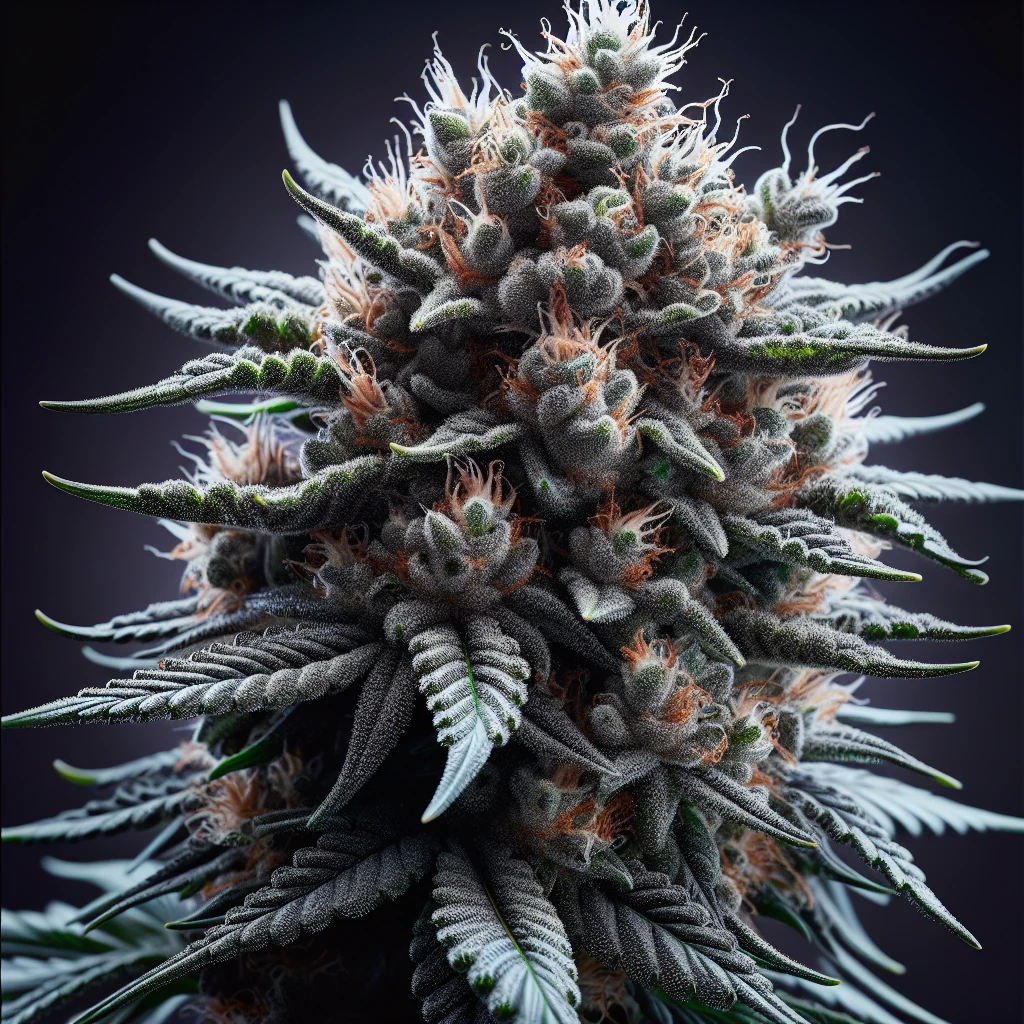
Hybrid
Brownie Scout
Chocolate and diesel rarely coexist this harmoniously. Brownie Scout crosses Platinum Girl Scout Cookies with Kosher Kush, and the result is a deeply resinous indica-leaning hybrid that smells like a bakery sitting next to a filling station — sweet mocha on the front end, pungent earthy diesel on the back. THC comes in at 18–20%, making it approachable without being meek, while the terpene lineup of caryophyllene, limonene, linalool, and myrcene delivers layers that keep the nose guessing from jar to exhale. Effects are characteristically heavy and deliberate. The onset is warm and euphoric, settling quickly into a full-body relaxation that discourages ambitious plans. Sleepiness tends to follow after an hour or two, which makes Brownie Scout a natural candidate for late evenings rather than productive afternoons. Users report it useful for unwinding after physically demanding days, with calming effects that ease tension without demanding complete shutdown. Growing Brownie Scout Indoors Brownie Scout stays compact — typically under 30 inches — which suits the tent-grow setups common among home cultivators in Boston, MA, where winters stretch from November well into April and outdoor grows are simply not an option for most of that stretch. The 10–11 week flowering window means plants started in late July or early August indoors can be harvested before the holiday season. Maintain temperatures in the 70–80°F range and keep relative humidity between 40–50% to protect the dense, resinous buds from mold pressure. This strain's moderate grow difficulty makes it accessible to intermediate cultivators who are already managing environmental controls. Yields are moderate but quality is the real draw here. The finished flower carries a thick coat of trichomes with that signature chocolatey-mocha aroma intact, making trimming day particularly rewarding. Growers who invest in steady temperatures and good airflow will be rewarded with buds that are as fragrant as the strain's reputation suggests.
THC: 18-20%
View Details
Hybrid
Bruce Banner Autoflower
Bruce Banner Autoflower is the Bruce Banner line crossed into Ruderalis genetics, and what it retains from the original is the part most people care about: the resin. Trichome production is heavy enough to give the buds a white cast, which is why this variety is so often earmarked for extraction rather than flower. The terpene profile survives the auto conversion clearly. Fresh forest berries sit over diesel with a thread of sweetness underneath, a delicate but genuinely pungent combination that holds up to scrutiny from experienced terpene drinkers. Flowers stack light green with chunky calyxes, dark brown hairs and lime-green sugar leaves. This is the slightly sativa-dominant side of the hybrid spectrum, and the effect matches: motivated, calm and stress-free rather than sedating, running for hours. It suits pushing through minor distractions, and many people reach for it specifically for creative work.
THC:
View Details
Indica
Bubba Kush
Few indicas have earned the kind of cult following that Bubba Kush commands. Born in the late 1990s when an OG Kush male accidentally crossed with an unknown indica — believed by many to carry Northern Lights genetics — the resulting cultivar produced dense, resinous buds wrapped in earthy, hash-forward aromas layered with notes of dark chocolate and roasted coffee. Myrcene sits at the top of its terpene stack, delivering that characteristic dank sweetness, while caryophyllene and limonene round things out with a peppery, faintly citrus edge. At 14–22% THC, Bubba Kush hits with a measured, unhurried weight. The onset rolls in as a gentle cerebral warmth before settling into the body — muscles loosen, shoulders drop, the mind quiets. This is not a strain for getting things done. Evening sessions, overcast Sunday afternoons, and the slow hour before sleep are where it earns its reputation. CBD content stays low at 0.1–0.6%, keeping the profile firmly sedative rather than clear-headed. Growing Bubba Kush Indoors Bubba Kush performs best in a controlled environment, a fact that home cultivators in Boston, MA know well. The city's long, frost-prone winters push most serious growers toward tent setups running 18/6 vegetative schedules through January and February before flipping to flower. Bubba Kush's compact, bushy structure suits 4x4 tents with room to spare, and its reported preference for slightly drier conditions during the 8–9 week flower cycle aligns naturally with the low-humidity air typical of a heated New England apartment in winter. Yields are moderate — this is not a high-tonnage strain — but the trichome density and bag appeal reward patience. Strain type: Indica THC: 14–22% | CBD: 0.1–0.6% Flowering time: 8–9 weeks Terpenes: Myrcene, Caryophyllene, Limonene Grow difficulty: Beginner-friendly For those who prize depth of flavor and a genuinely sedative finish, Bubba Kush remains one of the more reliable classic indicas in the cannabis catalog — a strain that rewards a slow grower's hand and delivers exactly what it promises on the inhale.
THC: 14-22%
View Details
Hybrid
Bubblegum
Bubblegum seeds are known for producing a cannabis strain that’s as sweet and uplifting as its name suggests. These seeds yield plants with dense, resin-coated buds that carry a delightful aroma of sugary candy mixed with subtle earthy undertones. The flavor profile is equally enticing, offering a smooth and sweet taste that is reminiscent of classic bubblegum. At The Seeds Depot, we offer these seeds to those who seek a strain that not only delivers a balanced and euphoric high but also excites the senses with its unique flavor and aroma. Bubblegum seeds are a great choice for anyone looking to add a touch of nostalgia and joy to their cannabis collection.
THC:
View Details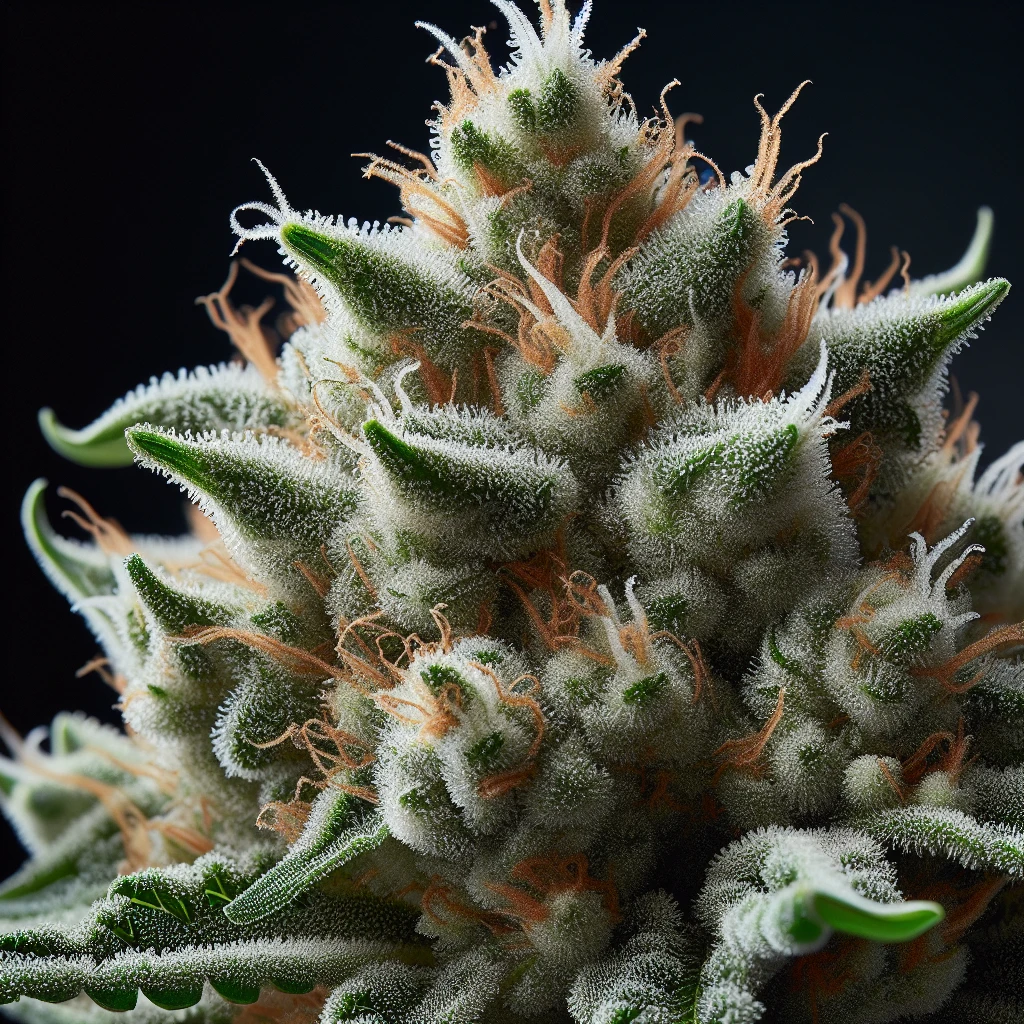
Hybrid
Bubblegum Autoflower
Bubblegum has an unusual origin story for a strain with this much longevity. It began in Indiana in the late 1980s before being refined through breeding programmes in New England and the Netherlands, and that Midwest-to-Northeast route produced the stable, indica-dominant genetics that today's Bubblegum Autoflower traces back to, crossed with Ruderalis to deliver automatic flowering. The signature sweet-strawberry aroma, with tropical fruit and earthy undertones, comes from a terpene profile anchored by myrcene, limonene, linalool and caryophyllene. That combination gives the buds a genuinely candy-like scent that holds through a proper cure rather than fading with it. The finished hybrid sits at roughly 40% indica, 40% sativa and 20% ruderalis, carrying 18-23% THC. Effects open euphoric and creative with a relaxing body component that builds steadily, stimulating enough to stay sociable early and calming enough to support a relaxed evening later.
THC: 18-23%
View Details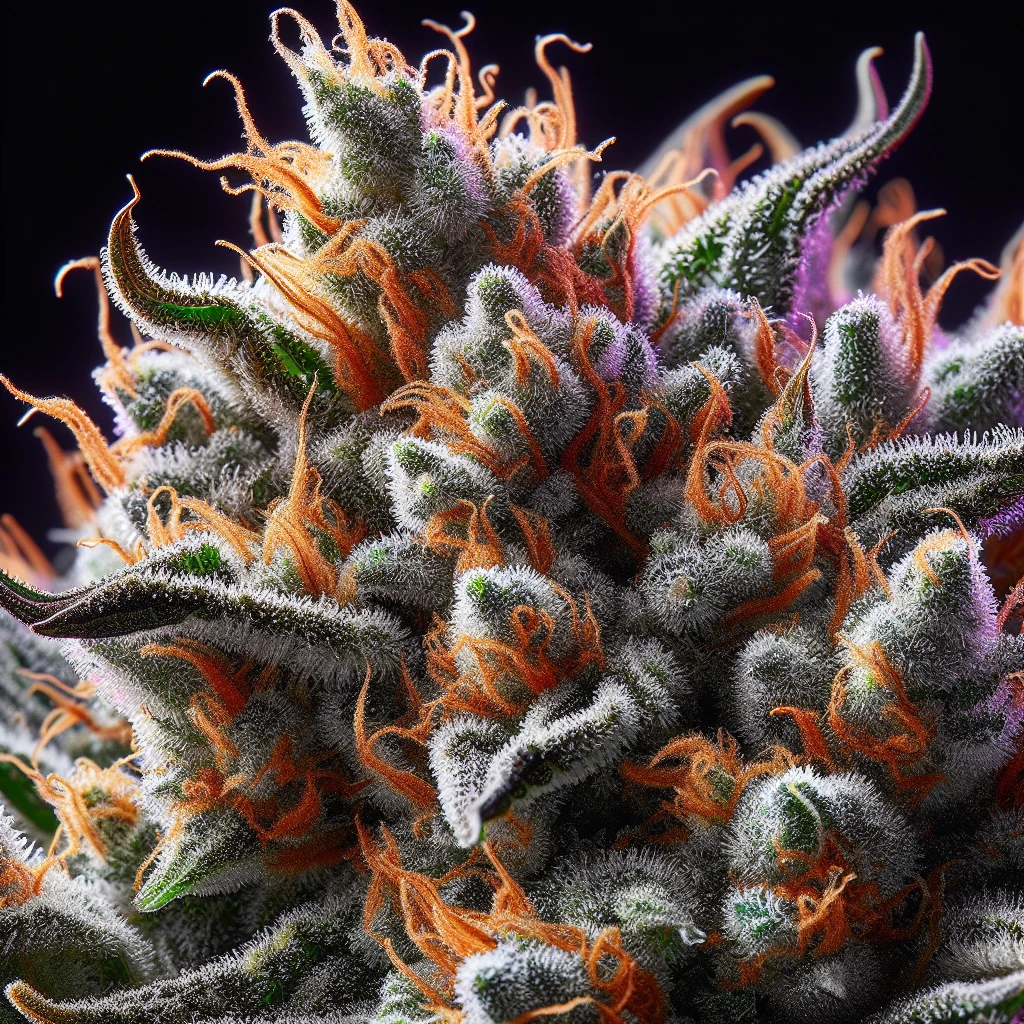
Indica-dominant Hybrid
Bumper OG
Few indica-dominant hybrids pack as much onto the plate as Bumper OG. Drawing on OG Kush heritage blended with lineage touches of Amnesia, GMO, and fruity crosses like Lemon Tree and Papaya, the result is a dense, resinous cultivar that hits 19–24% THC while keeping CBD in the 0.1–0.5% range. The aroma opens with pine and fuel before brightening into lemon-citrus zest — a classic OG signature made more complex by the fruity inputs upstream. Caryophyllene, myrcene, and limonene dominate the terpene stack, producing a physical warmth that rolls in behind the initial head rush. The effects are squarely evening-oriented. A wave of euphoria settles over the mind first, lifting mood without racing thoughts, then gradually surrenders to a sinking body calm that makes Bumper OG a go-to for anyone looking to decompress after a long day. THC expressions at the upper end of that 19–24% window can be assertively sedating, so first-time growers should taste cautiously until they know their phenotype. Grow Characteristics Bumper OG flowers in just 7–8 weeks — fast even by OG standards — and that compressed timeline is its biggest practical advantage. Plants display strong apical dominance and produce dense, golf-ball-shaped colas under adequate light. Like most OG-derived lines, it is sensitive to overwatering and overfeeding; a lean-but-consistent nutrient schedule and well-draining medium will outperform an aggressive approach every time. That 7–8 week finish is particularly meaningful for cultivators working through Boston, MA winters in a home tent setup. New England's heating season can drive indoor ambient temps low overnight, so a strain that wraps up before the coldest stretch of January or February keeps environmental stress to a minimum. Growers who run back-to-back cycles appreciate the short turnaround, and the compact OG structure keeps canopy management straightforward even in a four-by-four tent under Massachusetts' six-plant home-grow limit. Expect sticky, trichome-laden buds with classic OG bag appeal — pale green calyxes frosted heavy, anchored by orange pistils. Cured properly, the nose deepens into a tangy fuel-and-pine blend that longtime OG fans will recognize immediately.
THC: 19-24%
View Details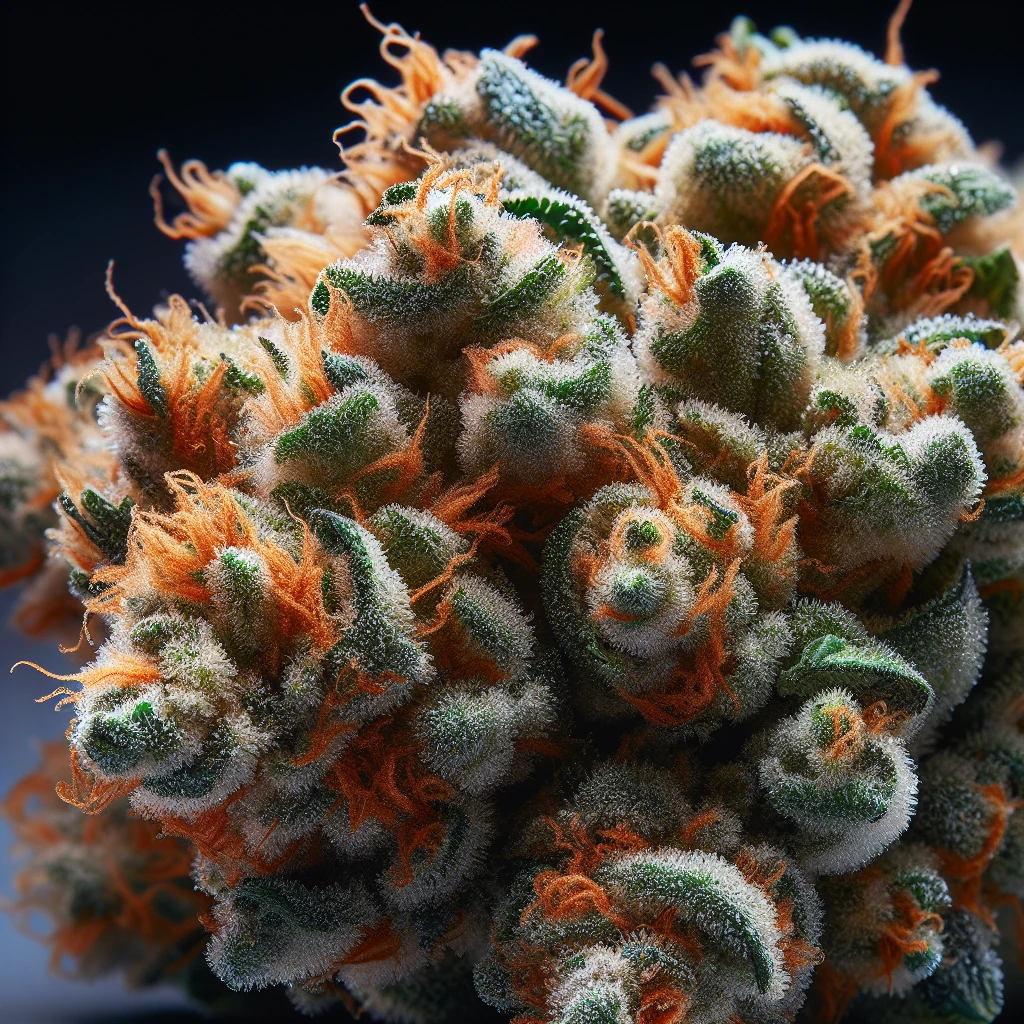
Hybrid
CBD Kush
CBD Kush, a carefully engineered hybrid strain, combines the genetics of Kandy Kush with a high-CBD strain, resulting in a plant known for its therapeutic benefits with minimal psychoactive effects. The introduction of ruderalis genetics enhances its growth by enabling autoflowering, ensuring the plant flowers based on age rather than light cycles.
THC:
View Details
Hybrid
CBD Kush Autoflower
CBD Kush Autoflower seeds are a result of crossing Kandy Kush with a high-CBD strain and incorporating ruderalis genetics. This blend creates a balanced 50/50 indica-sativa hybrid that thrives in various growing conditions. The introduction of ruderalis genetics enables the strain to flower automatically, making it ideal for both novice and experienced growers.
THC:
View Details
Hybrid
Candy Kush
Candy Kush is a cross of Sweet Special and Royal Kush, and those two names account for the split personality the strain is known for. Sweet Special contributes the sugary, candy-like aroma and the resilience the line is valued for; Royal Kush contributes a heritage that traces back through Afghani genetics and brings the sedative weight underneath. The sweetness reaches you first, sugary and confectionery with hints of citrus and a base of earthiness that the Kush side supplies. Buds come dense and frosty, and the flavour follows the nose closely, delivering a smooth, sweet smoke rather than anything sharp. The effect reflects the same division. An uplifting euphoria opens the session on the Sweet Special side before the Afghani-descended Royal Kush lineage moves the experience toward deep relaxation, a balance that suits both recreational and late-evening use.
THC:
View Details
Hybrid
Cannatonic
Cannatonic sits in a category that few cannabis strains genuinely occupy: high enough in CBD to substantially temper the psychoactive edge of THC, while still delivering a measurable and purposeful effect. Bred by Resin Seeds from Reina Madre and NYC Diesel, this true 50/50 hybrid tests at 5–6% THC alongside CBD levels ranging from 6–17% depending on phenotype — a ratio that produces a mild, functional experience very different from high-THC cultivars. The dominant terpene is myrcene, backed by secondary citrus and pine notes, giving buds an aroma that reads as fresh and subtly earthy rather than pungent. In the garden, Cannatonic behaves with the disciplined growth pattern of its indica-influenced lineage despite being a balanced hybrid. Flowering completes in 9–10 weeks, and the plants show meaningful resistance to powdery mildew and pests — traits that Resin Seeds deliberately selected for and that matter in practice when growing in variable environments. Indoor yields of up to 500 g/m² are achievable under skilled cultivation, and outdoor plants can produce 250–400 g each when given adequate light and a long enough season. That mildew resistance is worth noting specifically for growers in Boston, MA, where the late-summer Atlantic humidity creates challenging conditions for dense-budding strains. Coastal New England regularly sees elevated moisture from August through September — the precise window when most photoperiod strains are in their final flower push and most vulnerable to bud rot. Cannatonic's innate resistance to fungal pressure doesn't make it immune, but it provides meaningful margin compared to more susceptible varieties, making it a more reliable outdoor option for the region. Effect Profile The experience is gentle and clear-headed — CBD blunts the ceiling of the THC component, so users feel relaxed and mildly uplifted without cognitive fog or the couch-locked sedation associated with high-THC indicas. This makes Cannatonic functional across a wider range of daytime and early-evening use than most cannabis strains. Those sensitive to THC often find the 1:1 to 3:1 CBD-to-THC ratio significantly more approachable than strains that deliver THC without counterbalance. Flowering in 9–10 weeks and offering standout mold resistance, Cannatonic rewards growers who want a purposeful cultivar rather than a potency headline.
THC: 5-6%
View Details
Hybrid
Cap Junky
Cap Junky is Alien Cookies crossed with Kush Mints #11, a collaboration between Capulator and Seed Junky Genetics that carries both breeders in its name. The pedigree is unusually legible in the finished flower, which is part of why the strain travelled so far beyond the West Coast scene that produced it. Alien Cookies contributes the sour fruit that opens every session and the extreme resin load that made Capulator's line collectible in the first place. Kush Mints #11 supplies the structure and the close: dense forest-green buds threaded with orange pistils, a hint of purple when late flower cools, and the peppery, minted exhale that follows the fruit. The result carries 18-22% THC with caryophyllene, limonene and linalool driving the profile. Effects build in order rather than all at once, a cerebral lift arriving first and a steady physical ease moving in behind it without pinning you down. Flowering runs 8-9 weeks.
THC: 18-22%
View Details
Hybrid
Carma CBD
Carma CBD is an indica-dominant strain that originates from the industrial hemp fields of Carmagnola, Italy. This region is renowned for producing high-CBD, low-THC strains. The heritage of Carma CBD includes Italian landrace hemp varieties known for their robustness and resilience. This makes Carma CBD an excellent choice for those seeking therapeutic benefits without the psychoactive effects typically associated with THC.
THC:
View Details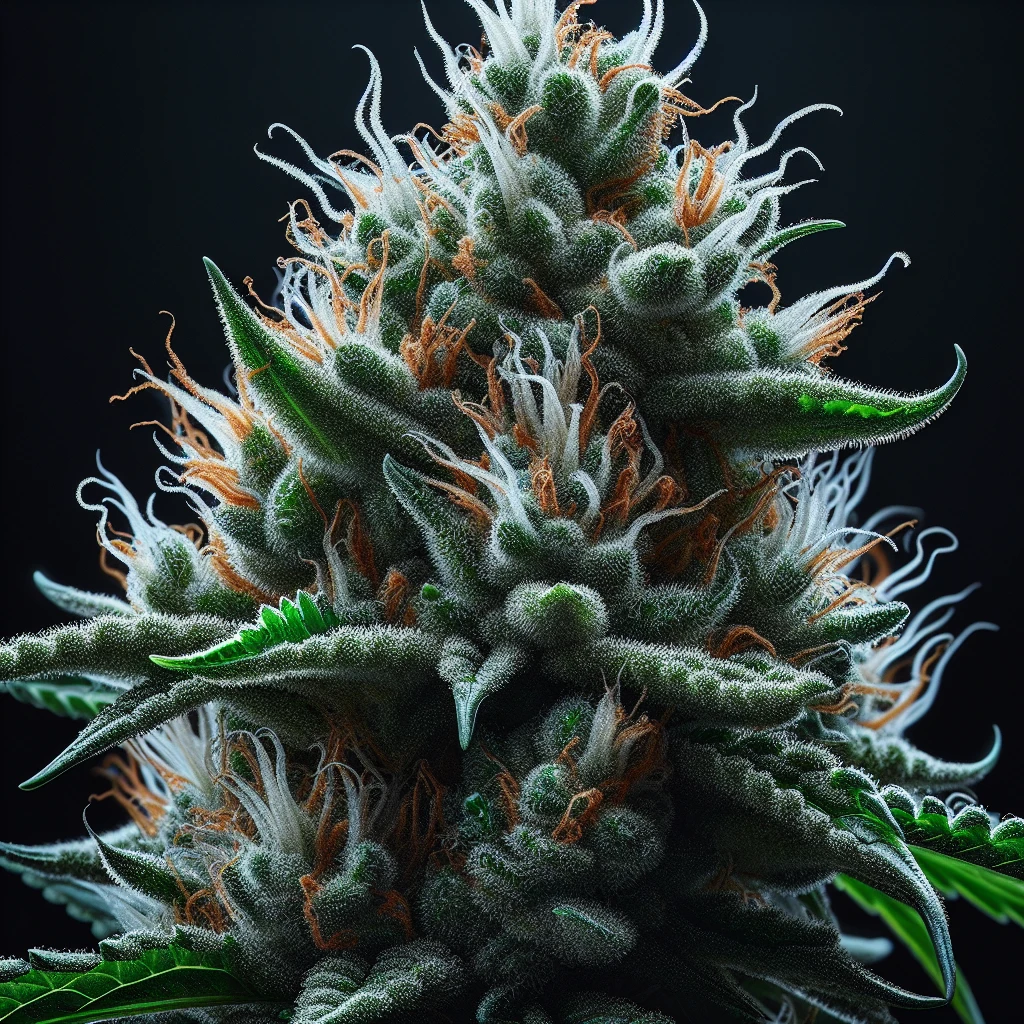
Sativa-dominant Hybrid
Charlotte's Web
Few cultivars have reshaped the cannabis conversation the way Charlotte's Web has. Developed by the Stanley Brothers in Colorado specifically for high-CBD expression, this sativa-dominant hemp hybrid carries just 0.3–1% THC against a remarkable 15–20% CBD, making it one of the most sought-after therapeutic plants in the modern seed catalog. Its heritage is proprietary rather than a simple two-parent cross, representing years of selective pressure toward minimal psychoactivity paired with maximal cannabidiol output. The terpene makeup leans heavily on myrcene, beta-caryophyllene, and pinene, with supporting notes of humulene and limonene. That combination produces a scent profile that reads as earthy pine with a faint pepper warmth — subtle, never sharp. Effects are functionally non-intoxicating: most growers and users describe a calm, grounded baseline with clear thinking intact, which suits daytime activity without the cognitive drift associated with high-THC varieties. Growth follows a classic sativa pattern — taller branching, elongated colas, and an open canopy that naturally promotes airflow between sites. Indoor flowering wraps up in 8–9 weeks, and maintaining relative humidity at 45–50% through the back half of flower protects against mold pressure. That last detail matters enormously for growers working through a Boston, MA autumn, where Atlantic-fed moisture rolls inland through September and can punish dense, closed canopies right at the finish line. Charlotte's Web's open structure gives it a genuine edge over tighter indica-dominant varieties during those final ripening weeks. Massachusetts home-grow rules permit up to six plants per adult and twelve per household, and a CBD-forward cultivar like this fits neatly within that framework — it contributes to the plant count without adding any THC burden. Growers running a mixed tent alongside higher-THC strains will find Charlotte's Web easy to integrate into a standard photoperiod schedule, finishing on the earlier side of its flowering window under a 12/12 flip. At a Glance Type: Sativa-dominant hybrid THC: 0.3–1% CBD: 15–20% Flowering time: 8–9 weeks Dominant terpenes: Myrcene, beta-caryophyllene, pinene
THC: 0.3-1%
View Details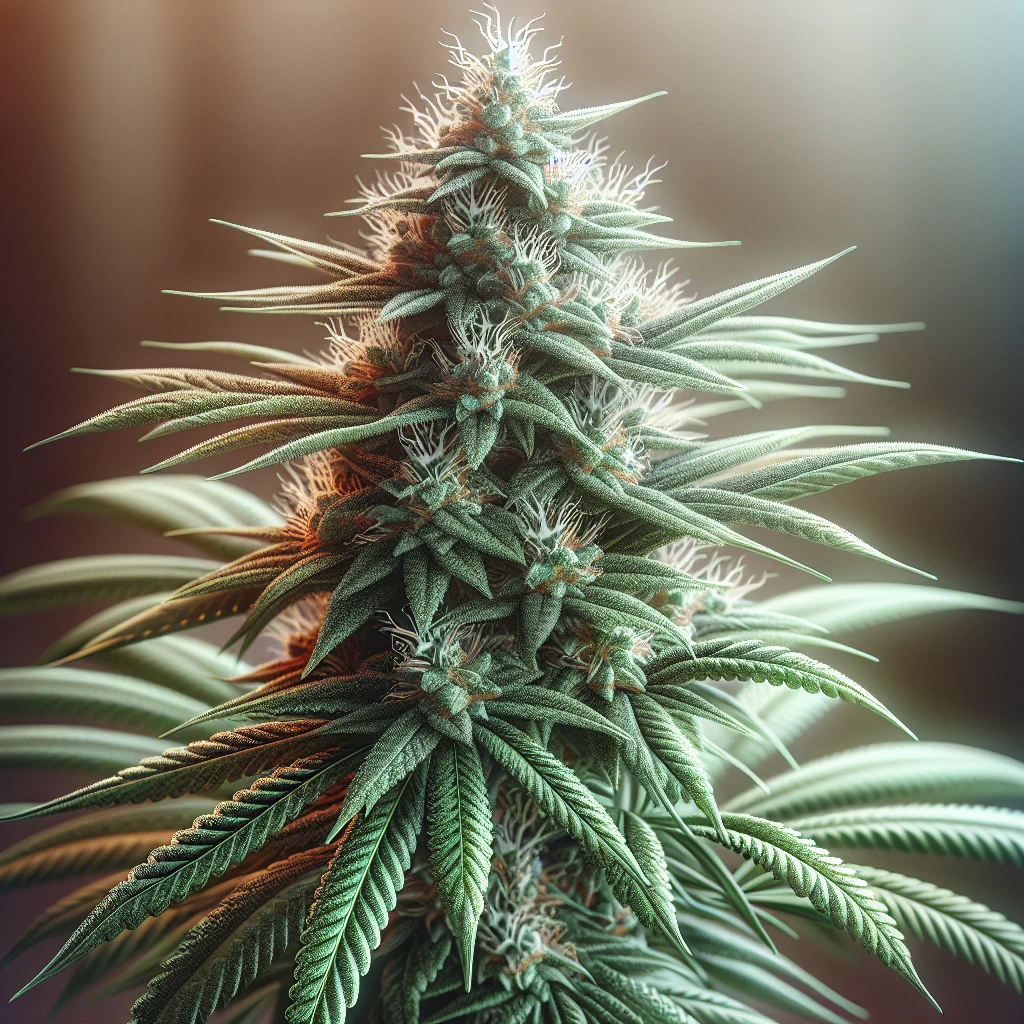
Hybrid
Cheddar Cheeze
Cheddar Cheeze is a cross of CakeMints (Platinum GSC) and Gorilla Diesel #3, and that pairing explains almost everything about how it smells and smokes. Neither parent reads as aged cheese on its own, which is what makes this particular cross worth understanding rather than filing under the general Cheese family. The Gorilla Diesel #3 side supplies the front end: the pungent, umami wall that arrives before the flower is fully ground, and the myrcene weight that pulls the effect down into the shoulders over the first hour. The CakeMints side handles the back half, contributing the tight, resin-heavy bud structure of Platinum GSC selections, the purple flush that shows when nights cool, and a buttery sweetness that closes the exhale. At 18-21% THC with CBD near 0.5%, the terpene stack does more work here than the potency figure. Myrcene and limonene lead, linalool rounds the edges, and the onset stays cerebral and talkative for roughly forty minutes before the Diesel half settles in. Flowering runs 9-10 weeks.
THC: 18-21%
View Details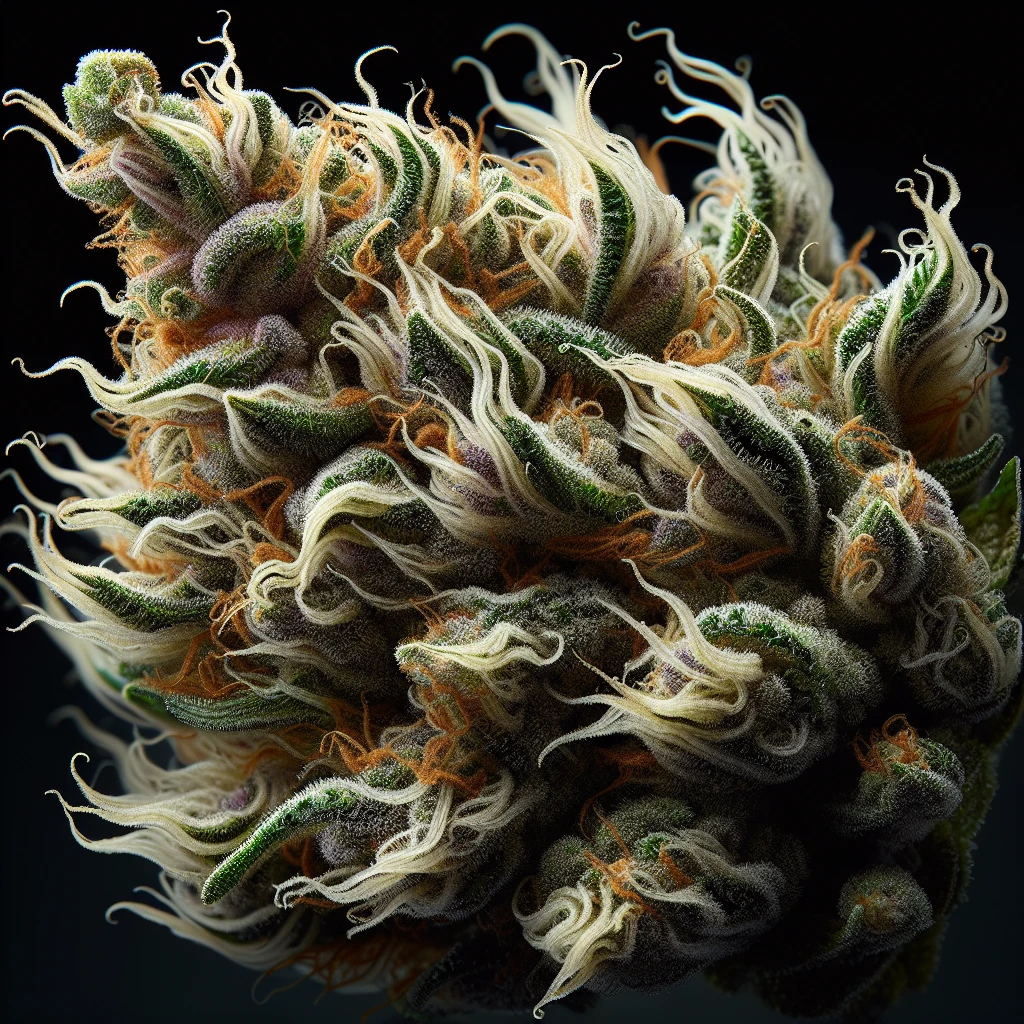
Indica
Cheese
Few strains carry the kind of cultural weight that Cheese does. Born from a particularly pungent Skunk #1 phenotype that surfaced in the United Kingdom in the late 1980s, it was the Exodus Collective who preserved and spread this cut, cementing "Exodus Cheese" as one of the most distinctive cultivars in cannabis history. The lineage is indica-dominant, drawing on the landrace genetics embedded in the original Skunk line, but the resulting plant expresses something entirely its own — a bold, savory musk underpinned by earthy depth that no amount of breeding has managed to fully replicate. The aroma is the first thing any grower notices: sharp, lactic, and almost funky, driven by a terpene profile anchored by myrcene and caryophyllene with a limonene thread that keeps it from reading as purely dank. On the palate, Cheese delivers that signature aged-cheese sharpness, a skunky finish, and mild tangy aftertaste. THC comes in at 18–22%, producing a high that opens with an uplifted, sociable warmth before settling into a measured body calm. It's a strain that invites conversation without demanding a couch by the end of the session — unless you lean into heavier consumption, at which point the indica foundation takes over completely. Growing Cheese indoors rewards growers who manage humidity tightly. Flowering runs 8–9 weeks, and the plants stretch to a manageable height of around 100–120 cm with lateral training. Yields land between 1–3 oz per square foot when conditions are dialed in. The aroma is powerful enough that carbon filtration is non-negotiable for indoor tents — even a brief unfiltered moment will fill a room. Cheese in a Boston, MA Indoor Setup The long New England winter is ideal for multi-cycle indoor cultivation — Cheese's 8–9 week flower and consistent performance suit a year-round tent operation. Keep flowering-stage humidity at 40–45% to guard against bud density and the mold risk that can creep in during Boston's damp autumn changeovers. Feed conservatively through bloom; this cultivar's stable Skunk lineage doesn't need heavy input to hit its ceiling. Massachusetts home-grow rules allow up to six plants per adult, making Cheese a practical single-plant choice when you want a reliable, high-character return without dedicating your entire canopy to one cultivar. This is an indica that earns its reputation not through novelty but through decades of consistent delivery — savory, grounding, and unmistakably itself.
THC: 18-22%
View Details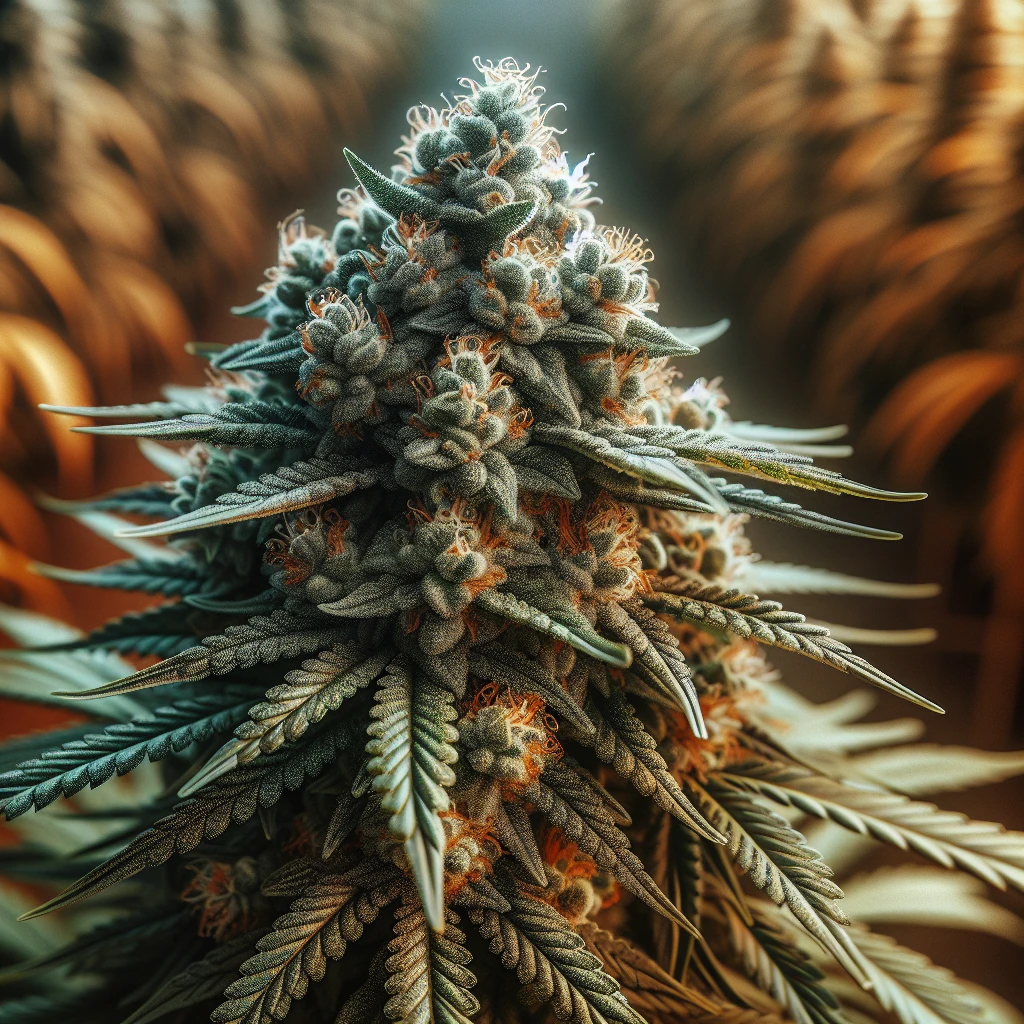
Hybrid
Cheese Autoflower
The original Cheese cut earned its reputation across decades of indoor growing in the UK and beyond — Cheese Autoflower takes that same funky, savory identity and wraps it in a Ruderalis-influenced auto life cycle that completely removes the light-schedule dependency. This isn't simply a convenience upgrade. The introduction of Cannabis ruderalis genetics produces a plant that flowers based on age rather than photoperiod, finishing from seed to harvest in roughly 10 weeks regardless of how many daylight hours it receives. Aromatically, Cheese Autoflower holds true to its heritage: that sharp, lactic sharpness is still there, driven by a caryophyllene and myrcene backbone that gives the buds their aged-cheese musk. Effects run 70% indica-dominant — a calm, heavy-bodied relaxation that builds gradually after an initial mood lift. THC sits in the 15–20% range, landing on the approachable side of potency without sacrificing depth. It's the kind of effect profile that works as well at the end of a work week as it does on a quiet weekend afternoon. Compact and discreet, plants typically reach 60–80 cm, producing 400–450 g/m² indoors under good light. Outdoors, individual plants yield 60–200 g depending on conditions. The squat profile and rapid finish make Cheese Autoflower particularly well-suited to balcony and patio grows — and for growers in Boston, MA, that combination is practically purpose-built for the region's constraints. New England's frost-free outdoor window runs roughly late May through early October — too short for most photoperiod strains to complete a full outdoor cycle. Cheese Autoflower's 10-week seed-to-harvest timeline fits cleanly inside that window, allowing a late-May planting that wraps up before autumn coastal humidity sets in and bud rot becomes a real concern on dense, late-maturing flowers. A second staggered planting in late June can extend your harvest season before the first hard frost arrives. Indoor growers in Boston will find the strain equally rewarding through the long winter months — its stable auto genetics, forgiving feed requirements, and consistent performance across a range of temperatures make it a low-friction cultivar for a sealed tent running under artificial light while snow accumulates outside.
THC:
View Details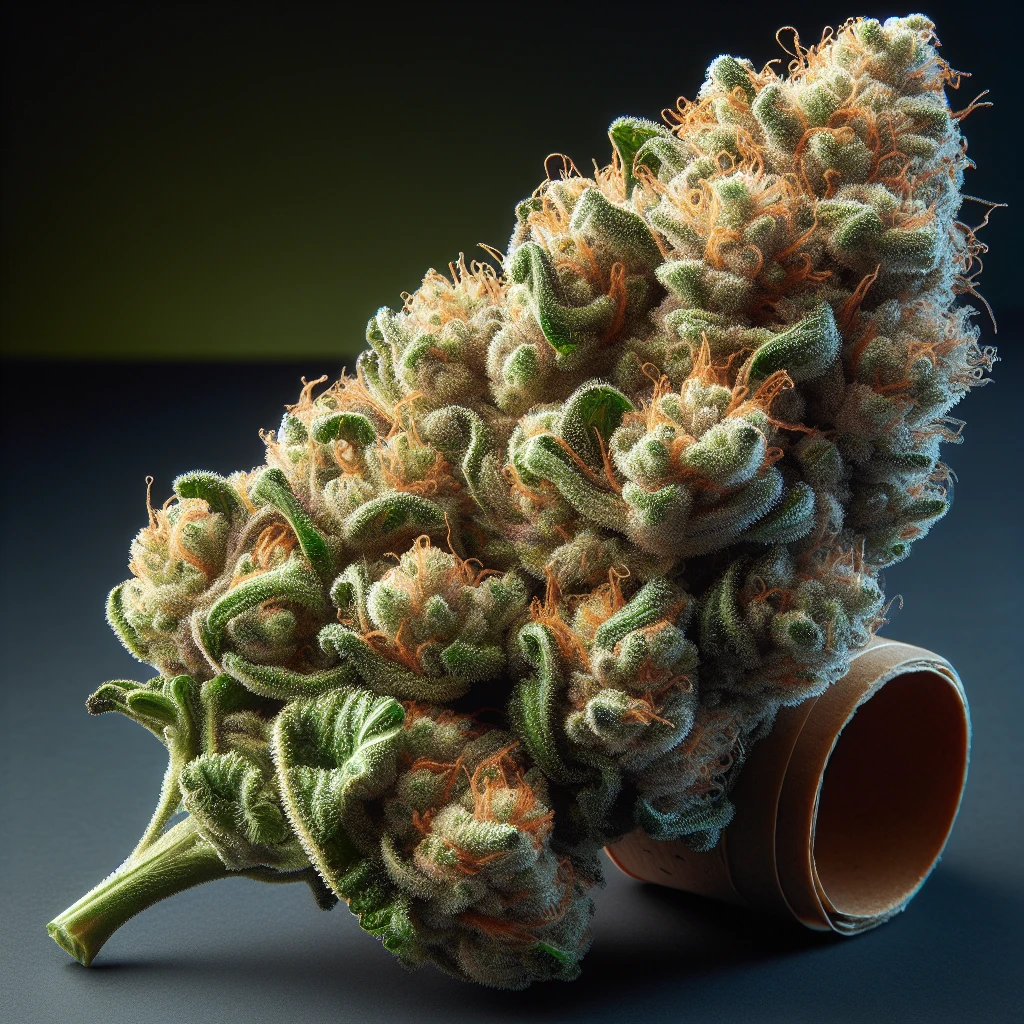
Hybrid
Chemdawg
\r\n Diesel Aroma: Chemdawg plants release a strong diesel scent that is robust and pungent, a signature trait of this lineage. \r\n High Resin Production: Noted for their copious resin output, these plants are ideal for extract and concentrate creation. \r\n Powerful Effects: Known for its potent impact, Chemdawg delivers a swift cerebral rush followed by a soothing relaxation, making it popular among experienced users. \r\n
THC:
View Details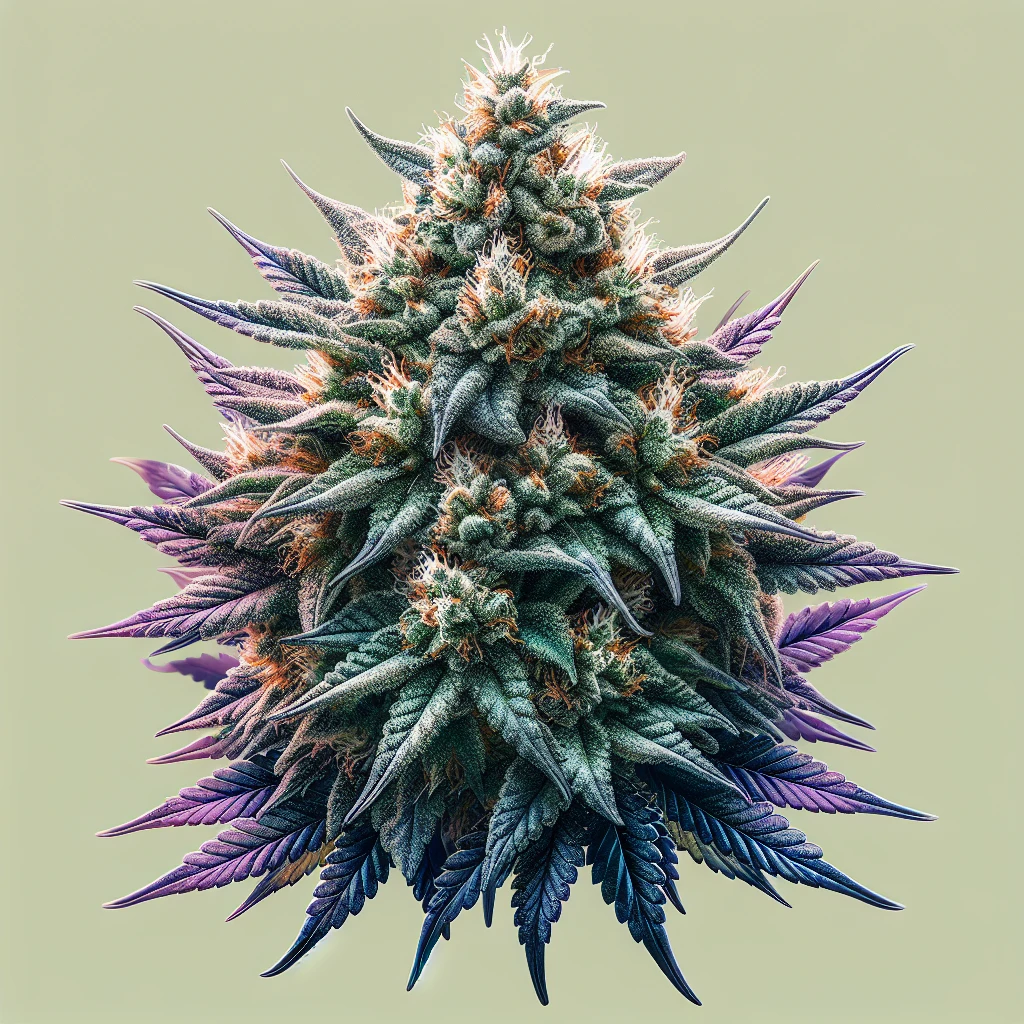
Hybrid
Cherry Essence
Pull back the foil on a batch of ripe Bing cherries warmed by the sun, and you have the first impression Cherry Essence leaves on every grower who cracks open a cured jar. This hybrid carries its flavor identity all the way through its lineage — a cross of Cherry Pie and Cherry AK pushed further with Animal Face Mints — producing buds that stack sweet stone-fruit on a fuel-laced, faintly floral base. Resin production is remarkable for a 16–20% THC cultivar, and the modest CBD content of up to 0.9% adds just enough edge-rounding to the experience without blunting the high. The effect arrives unhurried but purposeful. A gentle cerebral warmth settles in first, loosening any mental knots without sending the mind racing. That uplift steadily gives way to a full-body ease that works through the shoulders and lower back like a slow thaw, leaving users functional but comfortably unguarded. The balanced hybrid character makes Cherry Essence versatile enough for a creative afternoon or a slow evening wind-down, depending on dose and setting. Growing Cherry Essence Indoors and Out Cherry Essence runs a 9–10 week flower cycle and rewards disciplined feeding with dense, resin-glazed colas. Plant structure is manageable — moderate stretch during transition — which keeps it friendly for tent cultivation. Humidity management matters throughout late flower because the dense bud architecture can trap moisture, so maintaining airflow and keeping relative humidity below 50% in the final three weeks protects the trichome layer you spent weeks building. For outdoor growers in the Boston, MA area, the 9–10 week flower window translates to an outdoor finish around the last week of September, which is a close fit against New England's first frost window. Starting seeds indoors in mid-April and transplanting after Memorial Day gives the plant enough vegetative runway to build the canopy it needs. Finishing before October's coastal fog rolls in keeps bud rot risk low on a strain whose tight colas could otherwise be vulnerable during a damp New England autumn. THC: 16–20% CBD: up to 0.9% Flowering time: 9–10 weeks Lineage: (Cherry Pie x Cherry AK) x Animal Face Mints Primary terpenes: myrcene, caryophyllene, limonene Cherry Essence suits growers who want a strain with genuine terpene depth rather than a one-note novelty. The flavor profile is complex enough to hold interest across an entire harvest, and the balanced effect profile means it earns a permanent rotation spot rather than sitting on the shelf after two sessions.
THC: 16-20%
View Details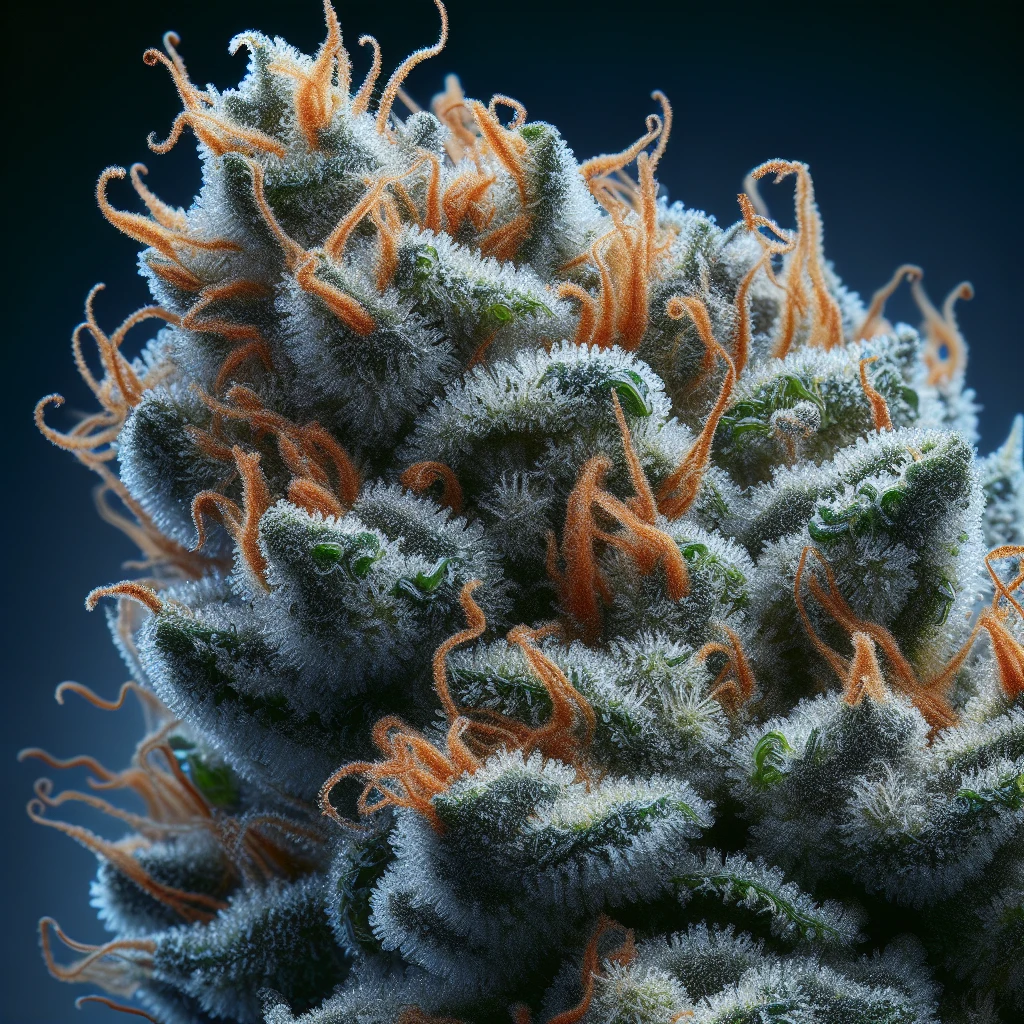
Hybrid
Citron
Pull open a jar of cured Citron flower and the first impression is immediate and unapologetic: fresh lemon peel, grapefruit zest, and a faint peppery snap that lingers at the back of the palate. This balanced hybrid sits in the sativa-leaning range of its 16–19% THC expression, with a terpene profile anchored by limonene — sometimes reaching concentrations that make the citrus character almost electric — rounded out by pinene, myrcene, caryophyllene, and linalool. It's a nose that reads as genuinely bright rather than artificially candy-like, which increasingly sets Citron apart in a market dominated by overly sweet gas crosses. The lineage traces a path through citrus-dominant genetics with Skunk and Cali-O (California Orange) influences reported most consistently, producing a plant with moderate sativa stretch and strong apical dominance. Topping and low-stress training open the canopy and push lateral bud sites — the structure rewards growers who engage with it. Left untrained, the dominant cola will outpace the lower branches significantly. Flowering runs 8–9 weeks indoors, which aligns with the manifest specs and confirms this isn't a slow-finishing sativa outlier. Expect a 1.7x–2.2x stretch after the flip, so account for vertical space in tighter setups. What Citron Delivers An uplifted, euphoric mood shift without heavy sedation — well-suited to daytime use and creative tasks. A clean citrus flavor that carries through from first taste to exhale with minimal harshness. Intermediate grow difficulty; straightforward for growers with one or two previous runs under their belt. For growers in Boston, MA, the 8–9 week flower time is a practical asset. Massachusetts home cultivation allows up to six plants per adult, and a strain that finishes in under ten weeks keeps your indoor cycle moving efficiently through the long New England winter. Under LED or HID in a sealed tent, Citron's high-limonene expression tends to be amplified by cooler ambient temperatures — keeping your grow space in the 65–72°F range during lights-on can sharpen the citrus aromatics noticeably versus running warmer. Outdoors, the hybrid structure and manageable stretch mean the plants won't tower over an enclosed garden space before the season ends. Harvest timing in early October allows Citron to finish well ahead of the frost window that typically closes New England outdoor grows by mid-month. CBD content stays low at 0.1–0.5%, keeping the effect clearly THC-driven — energetic, social, and mood-forward with the kind of sensory clarity that citrus-terpene strains consistently deliver.
THC: 16-19%
View Details
Hybrid
Cookies and Cream
Exotic Genetix built Cookies and Cream from two heavyweights — Starfighter and a Girl Scout Cookies phenotype — and the result won the 2014 High Times Cannabis Cup in the hybrid category before the genetics had even fully circulated in the broader market. That competitive background matters because it confirms what growers quickly discover on their own: this strain is exceptionally consistent. The phenotype expression is tight, the flavor is reliable run after run, and the effect profile lands in roughly the same place every time. What that profile delivers is a dessert-forward high that starts at the crown of the head and works its way down. The opening is bright and sociable — a light euphoria that sharpens focus briefly before the indica inheritance from GSC begins threading through the body. Vanilla and cream dominate the flavor, underwritten by an earthy sweetness that reflects the caryophyllene, limonene, and myrcene terpene structure. The smoke is smooth, the aftertaste lingers pleasantly, and the overall arc of the high tends to land users somewhere between creative and comfortably relaxed rather than locked to the couch. THC content across tested samples typically falls in the 20–27% range, placing this firmly in experienced-grower territory in terms of effect intensity, though the hybrid balance keeps it approachable. Indoor flowering runs 8–10 weeks, with early October being the typical outdoor harvest target. The plants benefit from regular pruning and canopy training to maximize bud site development — the GSC lineage tends toward dense lateral branching that fills out well when light penetration is managed. Boston, MA growers running indoor tents through the winter will find Cookies and Cream responds well to stable temperature control in the 70–78°F range. The GSC heritage makes the plant slightly more sensitive to temperature swings than simpler indica varieties — something to keep in mind during New England's shoulder seasons when basement or garage grow spaces can see wider ambient fluctuations. CBD sits below 1%, so the experience is entirely THC-driven, building through a session with enough depth that Massachusetts' six-plant home-grow limit is well-served by even a single well-maintained specimen.
THC:
View Details
Hybrid
Cookies and Cream Autoflower
Cookies and Cream Autoflower carries the same dessert-cabinet genetics as its photoperiod namesake — the Starfighter x Girl Scout Cookies cross that earned Exotic Genetix a Cannabis Cup in 2014 — but introduces Cannabis ruderalis into the lineage to produce a plant that flowers on age rather than light cycle. The result maintains the vanilla-cream flavor and the smooth euphoric-to-relaxed effect arc that made the original compelling, while adding a life cycle that demands far less infrastructure and calendar management from the grower. Seed to harvest completes in approximately 63–70 days, a timeline that slots neatly into a short-season outdoor window or a compact indoor rotation. The auto structure keeps plants in the 50–80 cm range — substantially shorter than the photoperiod version — without sacrificing bud density or resin development. The terpene signature remains caryophyllene and limonene-forward, delivering that characteristic creamy sweetness with an earthy undertone. Effects open with an immediate mood lift, settle into gentle body ease through the mid-session, and finish with a deep calm that makes this a reliable evening option. Growing Cookies and Cream Auto is forgiving by design. Ruderalis genetics reinforce mold tolerance and reduce sensitivity to environmental fluctuations, which matters when you're running a patio or balcony grow in a climate with variable humidity. Keep lighting consistent — 18–20 hours per day indoors — and feed lightly through the stretch, as autos can lock up if pushed too hard with nitrogen during the early flowering transition. For growers in Boston, MA, the short frost-free season — roughly late May through early October — makes autoflowering genetics particularly practical. A Cookies and Cream Auto seed started in late May finishes before the coastal humidity and temperature drops of September begin to stress late-flowering photoperiods. The compact height keeps plants discreet on a city deck or balcony, well within the Massachusetts six-plant adult home-grow allowance, and the abbreviated cycle means you can plan a second staggered planting in late June and still harvest before the frost window closes. Indoors through the long Boston winter, the same consistency holds — shorter cycle, less time under heat, and the same creamy finish in every jar.
THC:
View Details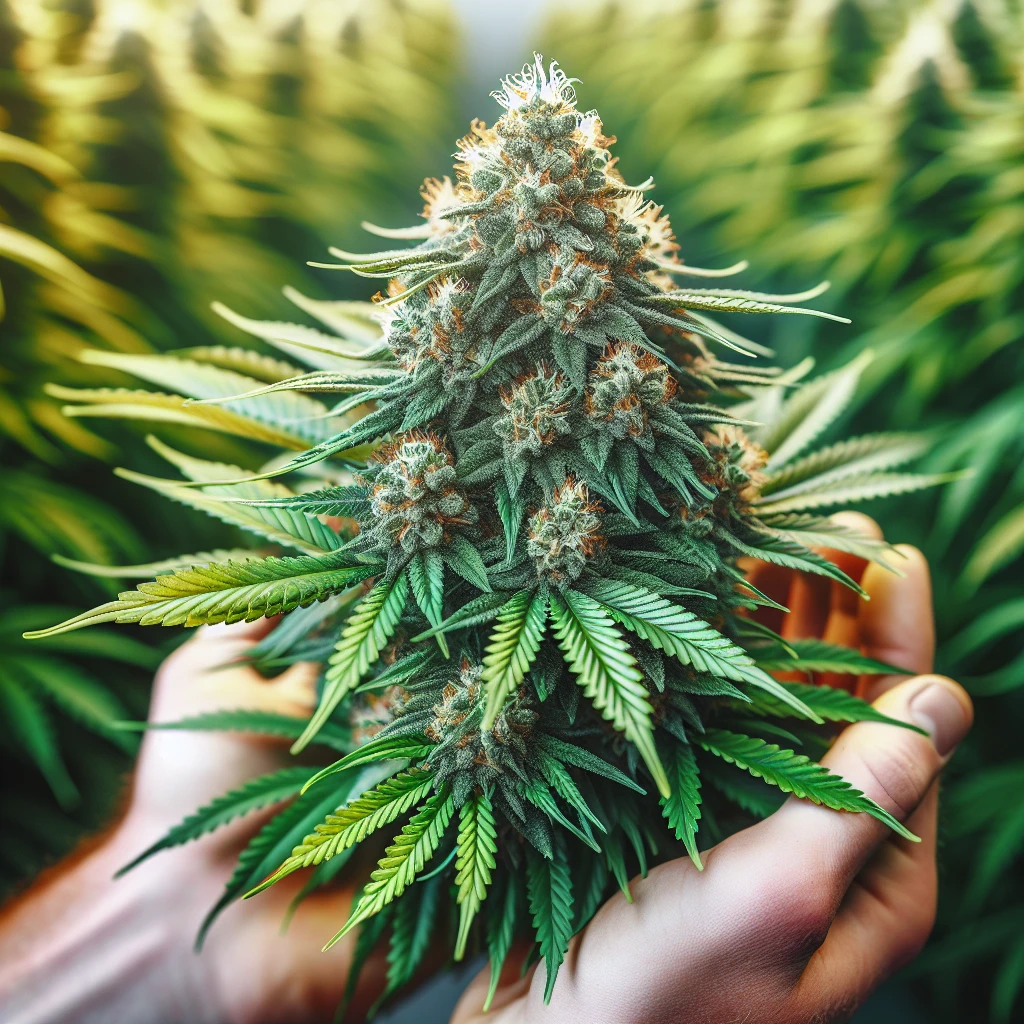
Hybrid
Critical Mass Autoflower
At The Seeds Depot, we’re proud to offer Critical Mass Autoflower seeds, a modern hybrid rooted in the groundbreaking discovery of Cannabis ruderalis in the 1980s. Known for their rapid flowering and ease of cultivation, these seeds combine the resilience of indica, the vigor of sativa, and the convenience of autoflowering genetics. Perfect for both novice and experienced collectors, Critical Mass Autoflower represents a pinnacle of reliability and performance in seed innovation.
THC:
View Details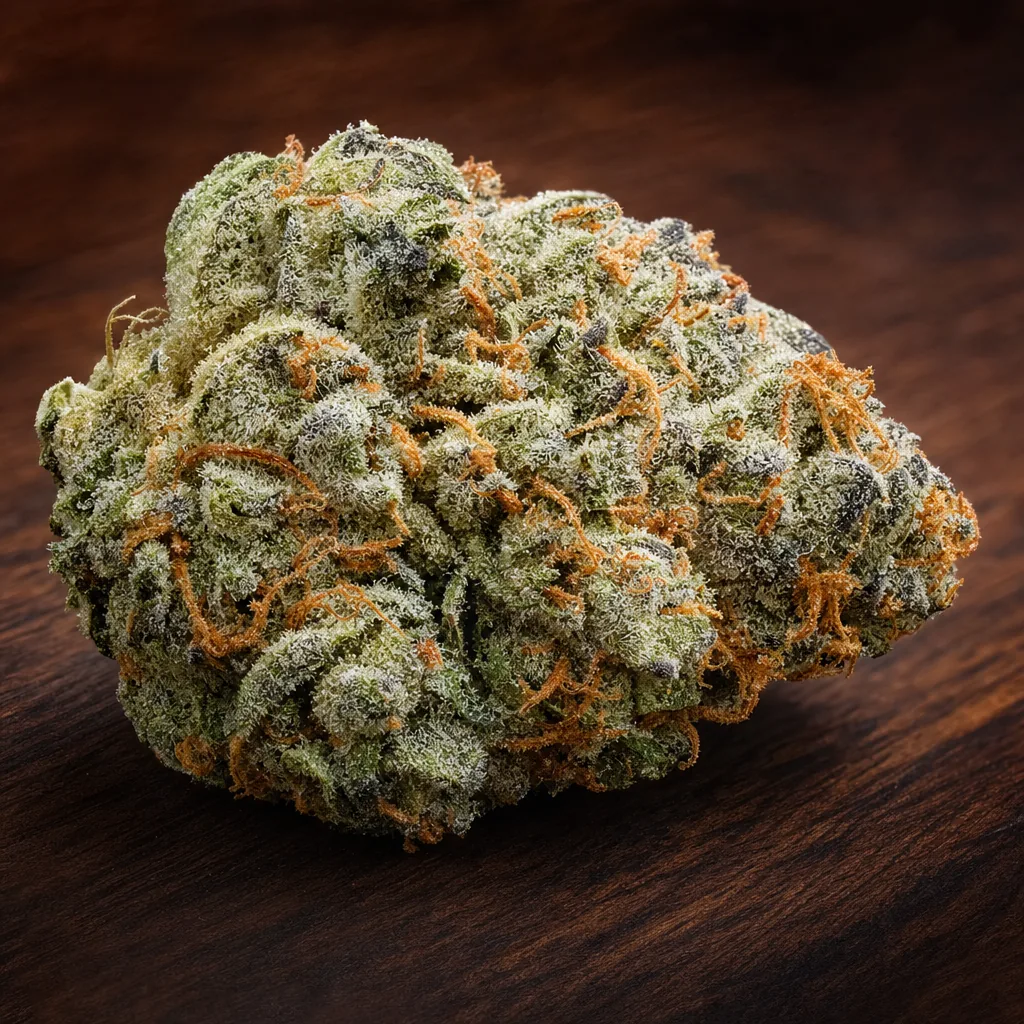
Hybrid
Critical Mass CBD
Critical Mass CBD is a popular strain known for its high CBD content and balanced effects. This feminized strain is a hybrid of Critical Mass and a high-CBD cultivar, offering therapeutic benefits without the intense psychoactive effects of high-THC strains. Ideal for both medical and recreational users, Critical Mass CBD provides a mild, relaxing experience with significant health benefits.
THC:
View Details
Hybrid
Critical Mass CBD Autoflower
Critical Mass CBD Autoflower is built from a cross between Critical Mass — one of the most productive indica-dominant workhorses in the seed market — and Macho CBD Crew, a high-CBD line developed specifically to balance cannabinoid ratios without sacrificing plant vigor. The resulting genetics are 65% indica, 15% sativa, and 20% ruderalis, producing an autoflowering plant that carries meaningful CBD content alongside a moderate THC presence, with the two cannabinoids arriving in roughly a 1:1 ratio in the most consistent phenotypes. That balance is the defining characteristic. Where high-THC autos chase peak intoxication, Critical Mass CBD Auto aims for something more measured: a mild, grounded buzz accompanied by the whole-body ease that CBD contributes to the experience. Effects arrive as a gentle head shift followed by a progressive physical calm — functional enough for daytime use at lower doses, restful enough at the end of a long day when you want something that eases tension without clouding the next morning. The flavor runs earthy and slightly citrusy, with a spicy, woody undertone on exhale that reflects the terpene structure carried forward from the Critical Mass side of the cross. Grow Profile at a Glance Flowering time: 49–56 days from flip — one of the faster autoflower cycles available. Indoor yield: up to 600 g/m² under optimized conditions; outdoor plants reach 80–120 cm and yield 70–120 g individually. Difficulty: beginner-friendly, with strong mold and humidity resistance built into the genetics. That mold resistance is directly relevant for growers in Boston, MA. New England's autumn coastal humidity — the same wet, cool air that shortens the outdoor season and stresses late-maturing dense-budded varieties — tends to cause minimal disruption for Critical Mass CBD Auto. The strain's indica density can collect moisture in the bud structure, but the genetic mold tolerance and rapid 7–8 week seed-to-harvest cycle mean outdoor plants finish and come down before the worst of September humidity sets in. For a first-time outdoor grower navigating Boston's compressed frost-free window, this is one of the more forgiving places to start. Indoor runs through the long Massachusetts winter are equally straightforward. The auto life cycle, low-maintenance feeding requirements, and consistent CBD-forward output make Critical Mass CBD Autoflower a practical addition to a home cultivation setup where the goal is quality and reliability over chasing maximum THC numbers.
THC:
View Details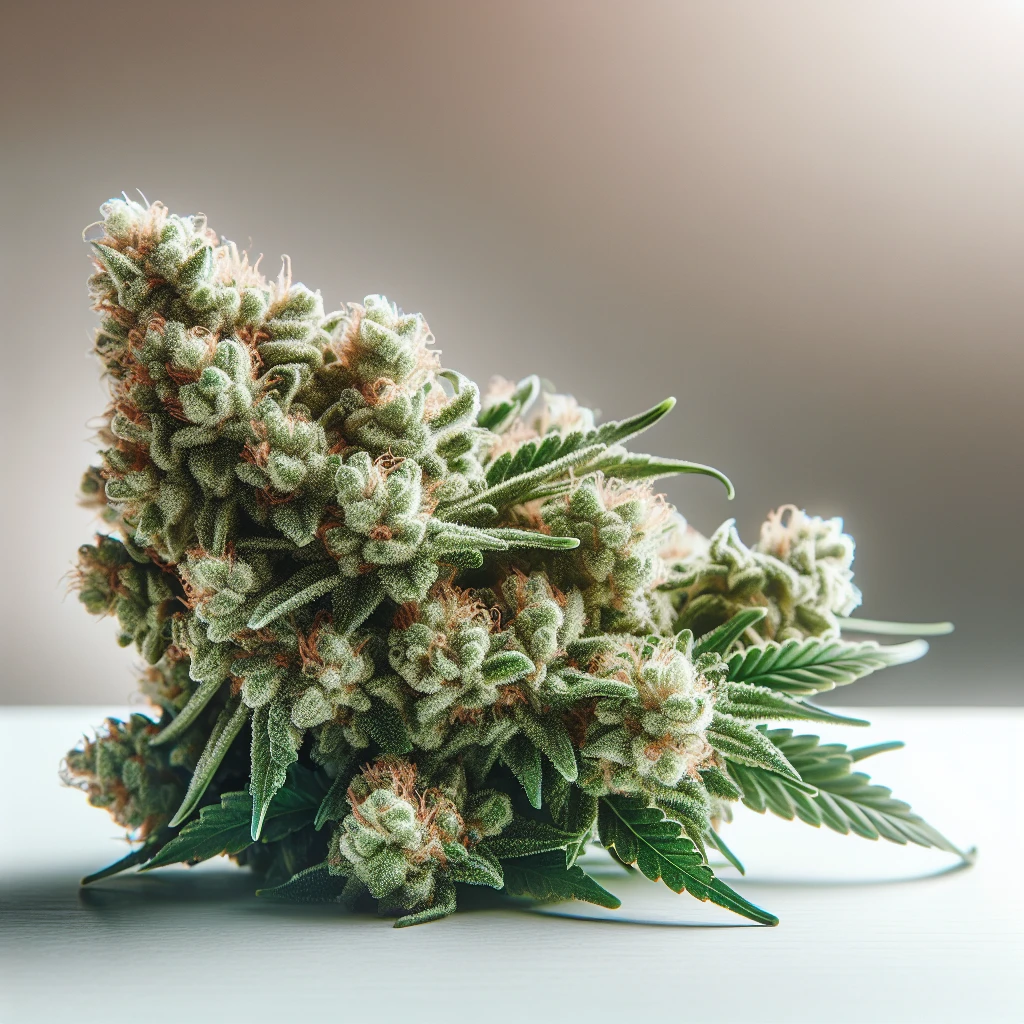
Hybrid
Crystal
Trichome coverage is the first thing you notice about Crystal — buds so thoroughly coated in resin they glitter under even dim light, a trait inherited directly from its White Widow and Northern Lights parents. That parentage gives Crystal a 70/30 indica-leaning profile, with THC landing between 21–25% and a mellow CBD floor that keeps the experience clear rather than foggy. Flowering wraps in 8–10 weeks, producing dense, hard-packed colas that feel almost too heavy for their branches. The flavor profile layers creamy pine over a foundation of sweet earth, with a faint sour citrus note on the exhale. Dominant terpenes — myrcene and caryophyllene — steer both the aroma and the body effect. Expect a high that opens with a grounded euphoria, transitions into full-body relaxation, and settles into a comfortable couch-friendly warmth without forcing sleep. It works well for evenings after a long day, or for anyone who finds sharp sativas too racy. Crystal performs reliably indoors under an 18/6 vegetative schedule, and its compact indica structure keeps canopy height manageable in a standard 4×4 tent. Outdoor cultivators in Boston, MA running a long-winter indoor tent setup will appreciate how cleanly Crystal finishes before October — the 8–10 week clock means seeds started in early March can yield a harvest before the heating bills peak. The White Widow genetics also contribute above-average resistance to mold, a meaningful advantage for anyone fighting New England basement humidity. Growing Notes Indica-leaning hybrid: White Widow × Northern Lights THC: 21–25% | CBD: 0.1–0.5% Flowering: 8–10 weeks indoors Dominant terpenes: Myrcene, Caryophyllene Mold resistance: above average for humid environments Home growers working under Massachusetts's six-plant limit will find Crystal earns its spot as a permanent fixture. The yield per plant is generous, the resin yield makes it a solid choice for anyone experimenting with concentrates or hash, and the visual appeal of a fully ripe Crystal plant — every sugar leaf frosted white — is genuinely satisfying to pull from your tent.
THC: 21-25%
View Details
Indica-dominant Hybrid
Cupid's Kush
Cupid's Kush is an indica-dominant hybrid built on a Kush-heavy backbone crossed with dessert genetics — most community accounts point toward a Pink Kush lineage married to a Wedding Cake-type parent. The resulting plant carries 70% indica influence, reflected in its medium, compact structure and thick trichome coverage. THC sits in the 18 to 20% range, with myrcene, beta-caryophyllene, limonene, and supporting linalool giving the buds a cherry-sweet, slightly floral character that reads almost confectionary on the nose. Effects arrive with a soft, euphoric mental warmth before transitioning into a body melt that stays manageable at moderate doses. Cupid's Kush occupies that useful evening niche where relaxation deepens without mental clarity vanishing entirely — ideal for unwinding after a full day without losing the ability to hold a conversation or watch something engaging. The cherry-candy sweetness on the inhale mirrors what the effects deliver: pleasant, uncomplicated, and a little indulgent. Cultivation is approachable. The plant stays at medium height, produces dense, resin-caked buds, and finishes in 8 to 9 weeks of flowering — a timeline that suits Massachusetts home growers who need to stay within the six-plant personal cultivation limit the state allows. Running multiple Cupid's Kush plants under a single 4x4 tent in Boston, MA is entirely realistic: the compact structure keeps canopy management straightforward, and the genetics carry enough resilience to tolerate the inevitable learning curve of an indoor setup. Yields are solid for a Kush-dominant plant, and the trichome density at harvest makes this an appealing candidate for anyone interested in processing trim into concentrates or hash. The late-flower bud structure tightens considerably in the final two weeks, so monitoring closely for any signs of moisture-related issues pays dividends. Flushing a week before chop preserves the cherry terpene expression through to consumption. Dried and cured correctly, the buds hold their aroma well over several weeks of storage.
THC: 18-20%
View Details
Hybrid
DNA Cake
DNA Cake is the work of DNA Genetics, a breeder with decades of catalog depth, and it shows in how deliberately this cross was assembled. The parents are Gelato Sorbet — itself a blend of Gelato #33 and Sorbet — and Lava Cake, a Thin Mint Girl Scout Cookies and Grape Pie hybrid. The result is an 80% indica-leaning hybrid that carries rich dessert aromatics on one arm and a sedating, resin-drenched body effect on the other. THC lands at 16–21%, with flowering wrapping up in 9–10 weeks indoors. The terpene makeup centers on myrcene, caryophyllene, and limonene, delivering a smooth vanilla-dough base that the Cake lineage is known for, followed by peppery spice and a subtle earthy-gas exhale. Flavor is creamy and clean on the draw, with a persistent sweet baked note that holds through to the end. Effects lean firmly toward the indica side: expect deep relaxation that begins at the shoulders and spreads downward, accompanied by a warm euphoria that is pleasant without being cerebral. Late afternoon and evening are where this strain belongs. Growing DNA Cake in New England DNA Genetics notes that outdoor plants started in late June top out under two meters and come ready in early October — a schedule that aligns reasonably well with the New England calendar on paper, but growers in Boston, MA should weigh the coastal humidity variable carefully. October arrival often coincides with the tail end of Atlantic weather patterns that bring damp, overcast stretches, and DNA Cake's dense, resinous structure is vulnerable to botrytis in those conditions. Indoor cultivation eliminates that risk entirely and lets growers hit the full 9–10 week flowering window with precision, rewarding patience with yields up to 400 grams per square meter. The strain is classified as intermediate difficulty, primarily due to its high nutrient demands during the late bulking stage and the need for attentive airflow management around those thick colas. Growers who run a consistent feeding schedule and keep canopy spacing generous will find DNA Cake a highly rewarding project — resin production is exceptional, and the finished flowers carry an aroma that is immediately recognizable the moment the tent is opened.
THC: 16-21%
View Details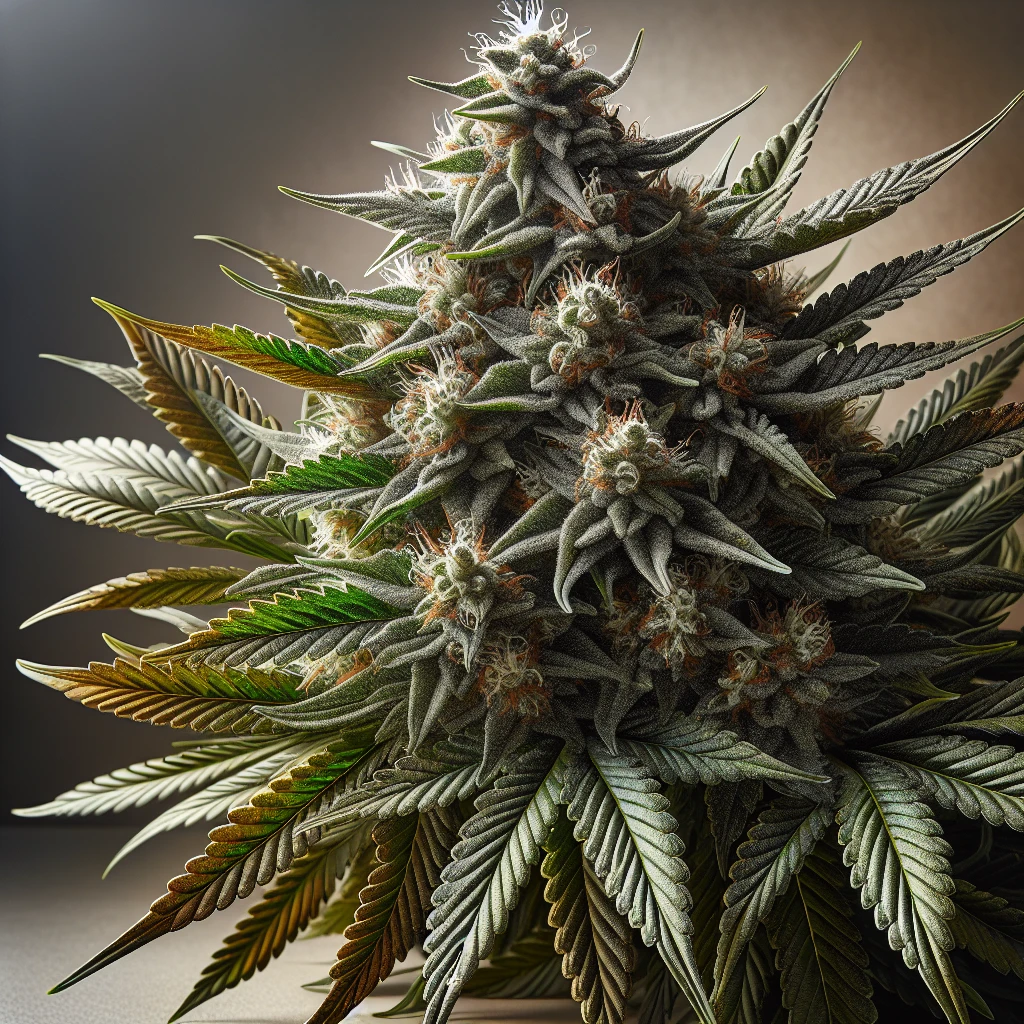
Hybrid
Dante's Inferno
Few names in the current hybrid landscape carry as much weight as Oreoz, and Dante's Inferno leads with that pedigree front and center. Bred by the collaboration between Tiki Madman and Clearwater Genetics, this Oreoz × Devil Driver cross inherited the cookies-and-cream depth of one parent and the fuel-driven fire of the other. The terpene profile skews toward myrcene, limonene, and caryophyllene, delivering a nose that opens with sweet baked goods and vanilla before a peppery kick and earthy undertow close it out. Flowering runs 8–9 weeks, and THC is documented in the 17–22% range in seed form, with well-dialed phenotypes expressing the full complexity the genetics are known for. The effect profile maps closely to the indica-dominant (70/30) lean in the genetics. Onset is a mood-lifting euphoric rush that lightens the chest and softens mental noise, followed by a heavy full-body relaxation that deepens as the session progresses. This is not a strain that works well when you still have items on the to-do list — it rewards commitment to a slow evening. The transition from cerebral warmth to physical weight is smooth and gradual, rarely jarring even for moderately experienced users. Growing Dante's Inferno Structure-wise, expect a stocky, indica-dominant plant that stays manageable in height but builds substantial bud mass on the main cola and upper branches. The dense flower clusters demand good air circulation throughout the canopy, and this is especially relevant for growers in Boston, MA, where the autumn coastal humidity that rolls in off the harbor in September and October can create bud-rot pressure inside growing spaces that lack proper ventilation. Running a dehumidifier to keep late-flower relative humidity in the 40–45% range eliminates nearly all risk and lets the resin development finish undisturbed. Indoors, this strain responds well to a light lollipopping technique and benefits from a final two-week flush before harvest. Harvested and cured buds show deep olive and forest green tones with flashes of purple, heavy trichome coverage, and amber pistils that signal ripeness. The smoke is dense, sweet, and warming — a fitting match for a name that promises intensity and delivers on it.
THC: 17-22%
View Details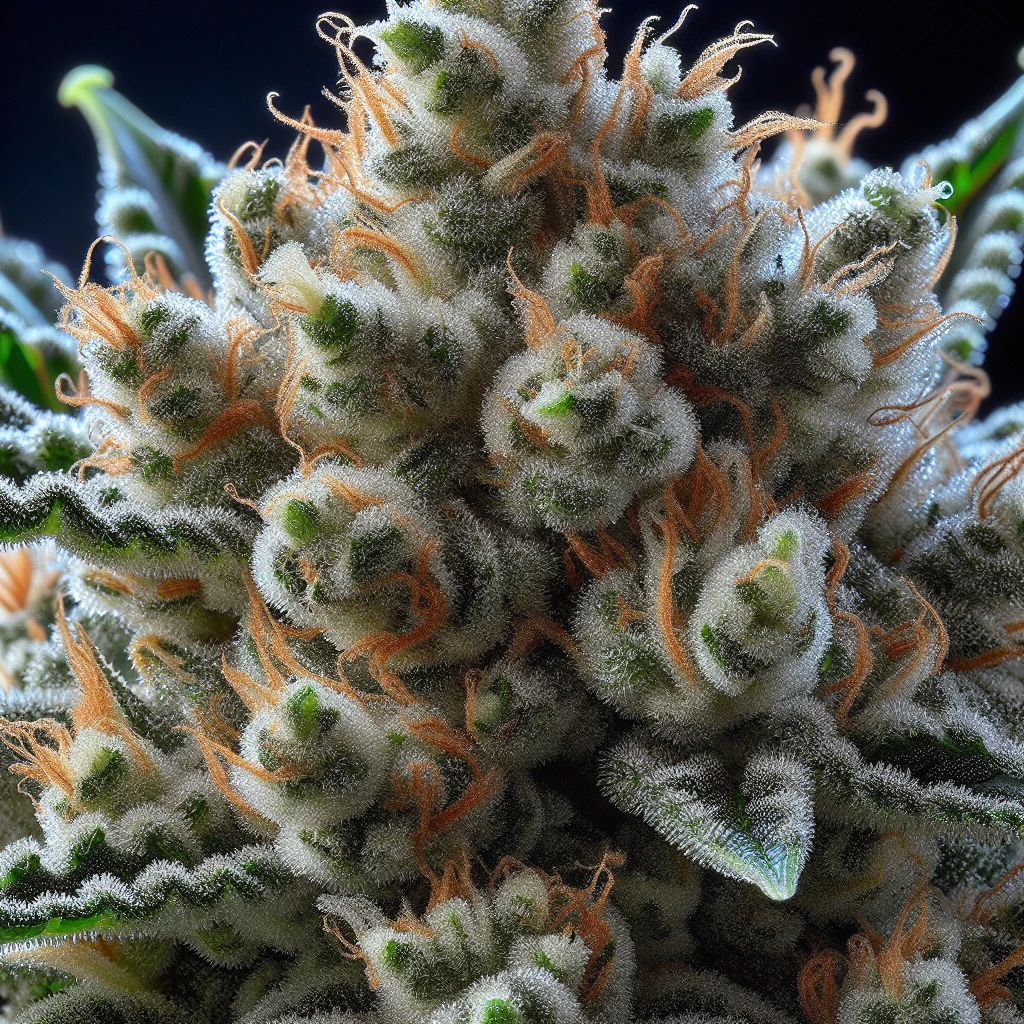
Hybrid
Do si dos Autoflower
Do-Si-Dos Autoflower seeds originate from a blend of the famous Do-Si-Dos strain crossed with a ruderalis variety to introduce autoflowering traits. This hybrid strain includes genetics from Girl Scout Cookies and Face Off OG, resulting in a robust 60% indica, 35% sativa, and 5% ruderalis mix. The genetic profile ensures a potent and resilient plant that is easy to grow and ideal for both novice and experienced cultivators.
THC:
View Details
Hybrid
Dulce
Sweet, creamy, and distinctly grape-forward, Dulce arrives as a hybrid built around dessert-tier terpenes and an even-handed high that neither pins you to the couch nor races the mind. Its genetic foundation traces to a Grape Pie cross — some cuts adding Wedding Crasher or Ice Cream Cake depth — producing a strain whose candy-like nose belies its well-constructed cannabinoid profile. THC lands in the 17–22% range, with effects that open into warm euphoria before settling into relaxed sociability. The flavor unfolds in two acts: an inhale of grape candy and ripe berries, followed by a smooth, vanilla-touched exhale that feels almost bakery-warm. Myrcene anchors the profile with earthy musk, limonene lifts it with a quiet citrus brightness, and caryophyllene threads in just enough spice to keep the sweetness from cloying. Dense, purple-hinted buds finish with a moderate resin coating and carry that fruit-forward aroma through a proper cure. Dulce's 10–11 week flowering period means outdoor growers in the Boston, MA area should think carefully about their calendar. New England's first hard frost typically arrives in mid-October in Suffolk County, leaving little buffer for a late-flowering variety started under natural light. Indoor cultivation — where light schedules can be flipped early in August to control finish date — is the pragmatic choice for Massachusetts home growers working within the Commonwealth's plant-count limits. Keep humidity below 50% during flowering to protect the dense bud structure from mold Phosphorus-forward feeding in weeks five through nine boosts resin development Low-stress training in veg improves canopy evenness and light penetration through the stretch The high suits afternoon through evening use — creative and conversational at first, easing into calm physical comfort without the knockout weight of heavier indicas. For growers who want something that performs beautifully in a jar and delivers equally well in the bowl, Dulce is a compelling choice.
THC: 17-22%
View Details
Sativa
Durban Poison
Long before hybrid breeding became an industry sport, Durban Poison was already thriving. This landrace sativa traces its roots to the port city of Durban on South Africa's KwaZulu-Natal coast, where indigenous communities cultivated it for centuries before American breeders brought it stateside in the 1970s. Pure sativa in every meaningful sense, Durban Poison carries 15–25% THC and a terpene profile built around terpinolene, ocimene, and myrcene — a combination that produces its unmistakable scent of sweet anise, fresh pine, and faintly herbal spice. The effects arrive quickly and run clean. Think of the mental lift from a well-made espresso: alert, engaged, and focused without the jitter-crash cycle. THCv content above average for most strains adds a sharper edge to the psychoactive experience and a notably shorter come-down, making Durban Poison a go-to for daytime productivity sessions, outdoor activity, and creative work that demands sustained attention. CBD stays below 0.3%, keeping the profile squarely energetic throughout. Grow Profile Durban Poison finishes flowering in eight to nine weeks — unusually fast for a pure sativa — a trait breeders deliberately selected when adapting it to North American conditions. Plants grow tall with elongated, resin-heavy colas and chunky, trichome-coated buds that make it attractive to concentrate producers as well as flower growers. Pest resistance is strong, a legacy of its landrace heritage. Strain type: Pure Sativa THC: 15–25% Flowering: 8–9 weeks Dominant terpenes: Terpinolene, Ocimene, Myrcene Flavor: Sweet anise, pine, citrus, herbal spice Outdoor growers in and around Boston, MA appreciate that eight-to-nine-week flower window more than most. New England's growing season compresses hard — after the last frost clears in mid-May, the clock runs until first frost threatens again in mid-October. Durban Poison routinely reaches full maturity by late September, giving it a comfortable cushion before autumn chill sets in. Its upright structure and robust disease resistance also help it handle the temperature swings between warm September days and cool coastal nights that characterize the Massachusetts fall without sacrificing bud quality.
THC: 15-25%
View Details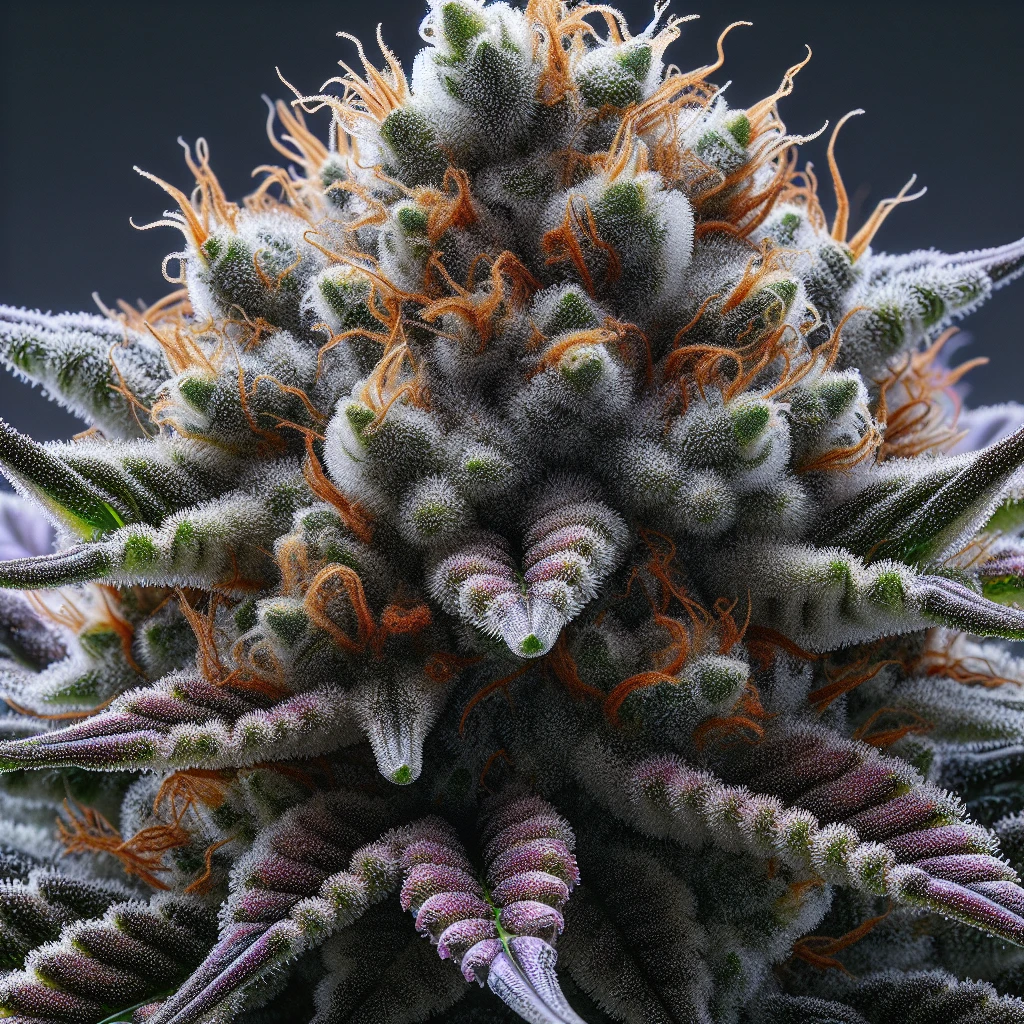
Hybrid
Durban Poison Autoflower
South African landrace sativas built their reputation on raw equatorial sun — months of it. Durban Poison Autoflower solves the obvious problem: by introducing ruderalis into the gene pool, breeders preserved the strain's electric, cerebral character while detaching it from its dependence on dwindling daylight hours. The result is approximately 90% sativa, 10% ruderalis — enough to trigger automatic flowering on age rather than photoperiod, but not enough to dull the famously clear-headed Durban high. The terpene profile leans heavily on terpinolene, supplemented by myrcene and ocimene. That combination produces the distinctive sweet-anise-meets-piney-herb aroma longtime Durban fans recognize, alongside effects that run energizing and euphoric rather than sedative. Think sharpened focus and lifted mood — useful for a working afternoon, less suitable for those chasing a knockout effect at night. THC output on verified auto phenotypes typically runs in the 16–20% range, and from seed to harvest the plant wraps in 55–65 days indoors. The auto lifecycle is a genuine advantage for outdoor growers in Boston, MA, where the frost-free window squeezes into roughly late May through early October. A Durban Poison Autoflower seed started in mid-June can reach harvest by mid-August, leaving enough of the season to run a second generation before the first hard frost rolls in off the Atlantic. Compact auto height — rarely exceeding three feet — also keeps the plants discreet on a balcony or patio without any training required. Indoors, yields can reach 400–550 g/m² under consistent 18/6 or 20/4 lighting, and the strain tolerates moderate temperature swings without significant yield loss. For growers who want the legendary Durban Poison experience without managing a long-season photoperiod plant, the autoflowering version is the most practical path to that classic South African sativa energy. Beginner cultivators will also appreciate how forgiving the auto format is — fewer variables, less room for timing errors, and a predictable harvest window that makes planning straightforward from the start.
THC:
View Details
Hybrid
Durban Zkittles
Two lineages with almost nothing in common genetically collide in Durban Zkittles: Durban Poison, the famous landrace sativa from South Africa's port city of Durban, and Zkittlez, itself a cross of Grape Ape and Grapefruit. What results is a 17–20% THC hybrid that delivers a fast, cerebral sativa rush wrapped in a candy-shop terpene profile—sweet licorice and anise on the front end, candied grapefruit in the middle, a faint spiced-diesel exhale to finish. Durban Poison contributes tight, resinous structure and that distinctive anise-dominant nose; Zkittlez softens the edges and loads the experience with fruit-candy sweetness and body warmth. The overall effect leans sativa-dominant—immediate euphoria, heightened sensory awareness, a boost to creative thinking that levels off into a sociable, upbeat mood rather than raciness. At 9–10 weeks of flowering, it hits the sweet spot between the fast-finishing Durban parent and Zkittlez's slightly longer timeline. Home cultivators working through a Boston, MA winter indoors will appreciate that this strain stays short and compact—a trait inherited directly from Zkittlez genetics. A 4x4 tent under a 600-watt HPS or equivalent LED handles the canopy easily, and the dense branching structure means less training work than a taller sativa-leaning variety would demand. Branch support is worthwhile in the final three weeks: yields can run 400–600g/m² under dialed-in conditions, and the tops get heavy. Terpene and Flavor Notes Aroma: sweet licorice, spiced clove, candied grapefruit, pine Taste: sugary candy and anise on inhale, smooth herbal-gas exhale Dominant terpenes: Myrcene, Caryophyllene, Limonene Durban Zkittles fits naturally into morning or early-afternoon use—its energetic uplift works against grogginess without pushing anxiety, and the moderate THC ceiling keeps newcomers comfortable. For experienced growers, the hybrid's balanced node spacing and reliable finishing behavior make it one of the cleaner sativa-adjacent grows in this catalog. Expect bright, well-formed colas with a color range from lime green to pale gold at peak ripeness.
THC: 17-20%
View Details
Hybrid
Fried Bananas
Few strains wear their flavor as honestly as Fried Bananas. The name isn't creative marketing—crack open a cured jar and you get banana pudding up front, followed by caramel, vanilla wafer, and a low note of tropical guava that lingers on the exhale. The lineage traces back to Guava Stardawg and Gelato 41, a pairing that explains both the richness of the terpene profile and the structural density of the buds. THC lands between 18–23%, which puts Fried Bananas squarely in the recreational sweet spot. The high opens with an uplifted, euphoric push—mood brightens quickly and the mind finds an easy, floating quality. Within thirty to forty-five minutes that cerebral phase settles into a broad-body calm, releasing tension from the shoulders down and inviting genuine stillness. This indica-leaning arc makes Fried Bananas a strong after-work or late-evening pick for anyone whose days run high-stress. The strain's 9–10 week flowering window is well within reach for indoor cultivators. Outdoor Timing in New England Outdoor growers in the Boston, MA area should note that this strain finishes harvest by late September under natural light, which aligns with the tail end of New England's viable outdoor window before the first frost arrives—typically in October, though some years it comes earlier. That narrow margin means dialing in the start date matters: running seeds indoors from April and transplanting to a protected outdoor spot in late May gives plants time to reach full vegetative size before the light-driven flip. The dense bud structure typical of Gelato 41 crosses calls for attentive late-season airflow; a run of rainy September days is exactly the wrong time to be caught with canopy crowding. Indoor growers have more control over the schedule and can expect compact, resin-heavy plants that respond well to low-stress training. The terpene profile holds beautifully through a slow, two-week cure, deepening the banana-caramel character and adding a faint gas note on the back end that only improves with time in the jar.
THC: 18-23%
View Details
Hybrid
Frosted Fuel
The first thing you notice about Frosted Fuel is the nose: a forceful hit of kerosene and damp earth that gives way to a surprisingly creamy, almost cake-batter undercurrent. That paradox — diesel-hard on the outside, dessert-soft at the core — runs through the whole experience. Bred from a cross of resin-heavy dessert genetics and a Jet Fuel or High Octane OG influence, this indica-leaning hybrid pushes THC to 18–23% and builds trichome coverage that leaves buds looking silver-white under grow lights. Effects follow the classic indica-dominant arc: a warm mental pressure behind the eyes early on, a happy haze that eases into deep physical settling. The myrcene-caryophyllene backbone keeps the body component pronounced. Frosted Fuel is not a strain for pushing through a long task list — it earns its place at the end of the day, for winding down fully rather than halfway. What Growers Can Expect Flowering time: 8–9 weeks indoors Structure: Dense, spade-shaped buds; deep forest green shifting toward dark violet near harvest Terpenes: Myrcene, limonene, beta-caryophyllene THC: 18–23%; CBD approximately 0.1–0.3% Massachusetts home growers working under the state's personal cultivation limits have found Frosted Fuel rewarding in controlled indoor environments. In Boston, MA, where the heating season stretches from October well into April, keeping an indoor grow space between 68–76°F is manageable in most finished basements or climate-controlled rooms — and the strain's dense bud structure means a modest plant count can still produce a satisfying personal harvest. Airflow matters: those thick, resinous colas need consistent ventilation to avoid moisture buildup. The visual payoff alone makes Frosted Fuel memorable for growers. The trichome load is exceptional even by modern standards, and the cured product carries that creamy-diesel aroma through the jar. For consumers who appreciate the hard-stopping end-of-day relief of a true indica-forward hybrid with a distinctive fuel character, this is a strain worth revisiting.
THC: 18-23%
View Details
Hybrid
Fruitstripez
Crack the jar on Fruitstripez and the room fills immediately with something that reads closer to tropical candy than plant matter — a saturated wave of berry, citrus, and stone fruit that traces back to Zkittlez-influenced genetics layered over a creamy Gelato or Sherb base. The terpene suite leans limonene and linalool, which explains why the scent skews syrupy-sweet rather than skunky, and why the smoke lands smooth even when the bowl is packed generously. At 16–21% THC across phenotypes, Fruitstripez hits the sweet spot between accessible and genuinely effective. The onset is fast and cerebral — a clean mood elevation that sharpens into focus before mellowing into the easy body buzz that its indica genetics underpin. It's the kind of hybrid that works for a social afternoon or a creative project without locking you to the furniture, and the flavor carries through to the finish rather than fading out mid-session. Home growers in Massachusetts will find Fruitstripez rewarding to cultivate within the state's six-plant personal-use limit. Boston, MA residents running a modest indoor setup can expect this variety to stretch taller than squat kush types, so topping or LST early in veg pays dividends when working within a limited canopy footprint. The plant rewards medium defoliation, branches aggressively, and builds large, dense colas that swell noticeably during the final two weeks of its 9–10 week flower cycle. Yields per plant are generous when given adequate light and root space, making it an efficient choice when you're working with a legally capped plant count. Strain type: Hybrid (Zkittlez-influenced, Gelato/Sherb base) THC: 16–21% | CBD: 0.1–0.6% Flowering time: 9–10 weeks Growth habit: tall, multi-branching, stretchy Difficulty: intermediate The cured flower presents dense, resin-coated buds with the kind of bag appeal that makes the 9–10 week wait feel earned. Terpene expression is vivid enough that even a brief grind announces itself across the room. For growers who want maximum return from a small legal plant count and consumers who prioritize flavor complexity as much as effect, Fruitstripez delivers on both fronts.
THC: 16-21%
View Details
Hybrid
G13
Few strains carry a mythology as durable as G13. The story — contested but persistent — places its origin inside a classified government breeding program in Mississippi during the late 1960s, with Afghani landrace genetics at its foundation. Whatever the actual lineage, the plant itself is not in dispute: a dense, resin-heavy indica-leaning hybrid with 20–24% THC, a kushy earth-and-pine aroma, and an 8–9 week indoor finish that rewards patient cultivators with some of the heaviest colas in the catalog. Myrcene, limonene, and caryophyllene define G13's terpene signature. Myrcene provides the characteristic earthy musk and contributes to the wave of physical relaxation the strain is known for; limonene lifts the front of the high with a subtle brightness before the body effect takes over; caryophyllene adds a peppery herbal edge that sharpens the exhale. Buds are dense, almost spherical, and coated in amber trichomes by the time week nine arrives. The high follows a familiar two-phase arc — an initial euphoric push that sharpens focus and lifts mood, then a full-body unwind that can run toward couch lock in larger doses. G13 is better suited to evening use, and it has earned a loyal following among growers who want a reliably sedating end-of-day option with meaningful potency rather than spectacle. Stress, chronic discomfort, and insomnia are the most commonly cited reasons people reach for it. Indoors, G13 thrives in a standard soil or coco setup with moderate feeding. For cultivators in Boston, MA running a long-winter indoor tent, G13's 8–9 week flowering clock is efficient — start seeds in late October, harvest by January, and avoid paying peak heating costs with an extended veg period. The indica structure stays compact, making it a strong candidate for one of Massachusetts's six home-grow plant slots when density and potency per square foot matter more than stretch.
THC: 20-24%
View Details
Hybrid
G13 Autoflower
G13 Autoflower takes the legendary indica-leaning genetics of G13 — believed to be rooted in Afghani landrace stock — and crosses them with a ruderalis line to produce a plant that flowers by age rather than by light schedule. The result keeps the dense, resin-coated bud structure and the earthy-pine terpene profile intact while cutting the seed-to-harvest window down to roughly 8–10 weeks from sprout, no light-flip required. THC output holds strong at 20–24%, consistent with the photoperiod namesake. Where the original G13 demands a deliberate veg phase and a well-timed light transition, the autoflower version removes that decision entirely. Plants stay compact — typically two to four feet at maturity — and put their energy into lateral branching rather than height, producing dense side colas alongside the main. Indoor growers can run 18/6 or even 20/4 from day one straight through harvest, simplifying scheduling without sacrificing the potency G13 is known for. The body-forward relaxation still defines the experience: a brief cerebral opening that settles quickly into a heavy, grounding calm suited to evenings. Myrcene leads the terpene expression, contributing the musky earthiness and reinforcing the physical sedation. Caryophyllene adds a spiced, slightly diesel edge that distinguishes the nose from simpler kushy strains. For Boston, MA growers navigating the city's short outdoor season, G13 Autoflower fits neatly into the narrow frost-free window. A seed dropped in late May can reach harvest before the coastal fog and cool August nights raise bud rot risk — a real concern in New England once dense colas start forming in humid conditions. The compact auto frame also suits a covered porch or balcony grow without drawing attention, making it a practical option within Massachusetts's six-plant home-grow allowance for anyone who wants G13's signature sedation without the photoperiod timing puzzle. Yields indoors reach 550–600 g/m² under dialed-in lighting — competitive numbers for an auto, and a return that justifies allocating one of those six plant slots to this strain year-round.
THC:
View Details
Hybrid
GG4 Autoflower
Gorilla Glue #4 built its reputation on three things: overwhelming resin output, an adhesive-thick coat of trichomes, and a deeply relaxing high that arrives fast and lingers. The autoflowering version of GG4 is bred from the original Chem's Sister × Sour Dubb × Chocolate Diesel cross — the same genetic core — with a ruderalis-based line introduced to remove the photoperiod requirement. The essential character survives the crossing: heavy, fuel-forward buds, 20–26% THC, and a full-body effect that earns GG4's place as one of the most replicated hybrids in modern cannabis. Caryophyllene, myrcene, humulene, and limonene form the terpene backbone. Caryophyllene delivers a peppery diesel punch; myrcene contributes earthy sedation and extends the body calm; limonene provides a subtle citrus brightness at the top of the nose before the diesel and chocolate notes take over. The high opens with a clear euphoric rush that motivates and lifts mood briefly, then transitions into an increasingly heavy, body-focused relaxation that makes evening use the natural fit. Autoflower Advantages Flowers by age, not light cycle — no schedule change required Seed to harvest: approximately 70–85 days under optimal conditions Compact frame: typically stays under four feet Indoor yields: up to 500–600 g/m² with dialed-in lighting and nutrition Tolerates moderate temperature variation Indoor cultivators in Boston, MA contending with winter heating costs will find GG4 Autoflower's efficient timeline useful. An 18/6 light schedule from seed through harvest means no wasted electricity extending a veg phase, and the compact indica-leaning structure keeps canopy management simple in a 2×4 or 4×4 tent. The ruderalis genetics also lend a degree of cold-hardiness that suits Boston's unpredictable shoulder-season temperatures when nights dip unexpectedly in late spring or early fall. Outdoor growers who want to squeeze a second harvest into the Massachusetts frost-free window can drop GG4 Autoflower seeds in late July and still pull ripe buds before October closes out — something no photoperiod GG4 phenotype can accomplish that late in the season. The resin density holds up to light processing, making this strain a strong candidate for home rosin or bubble hash production once the harvest is in.
THC:
View Details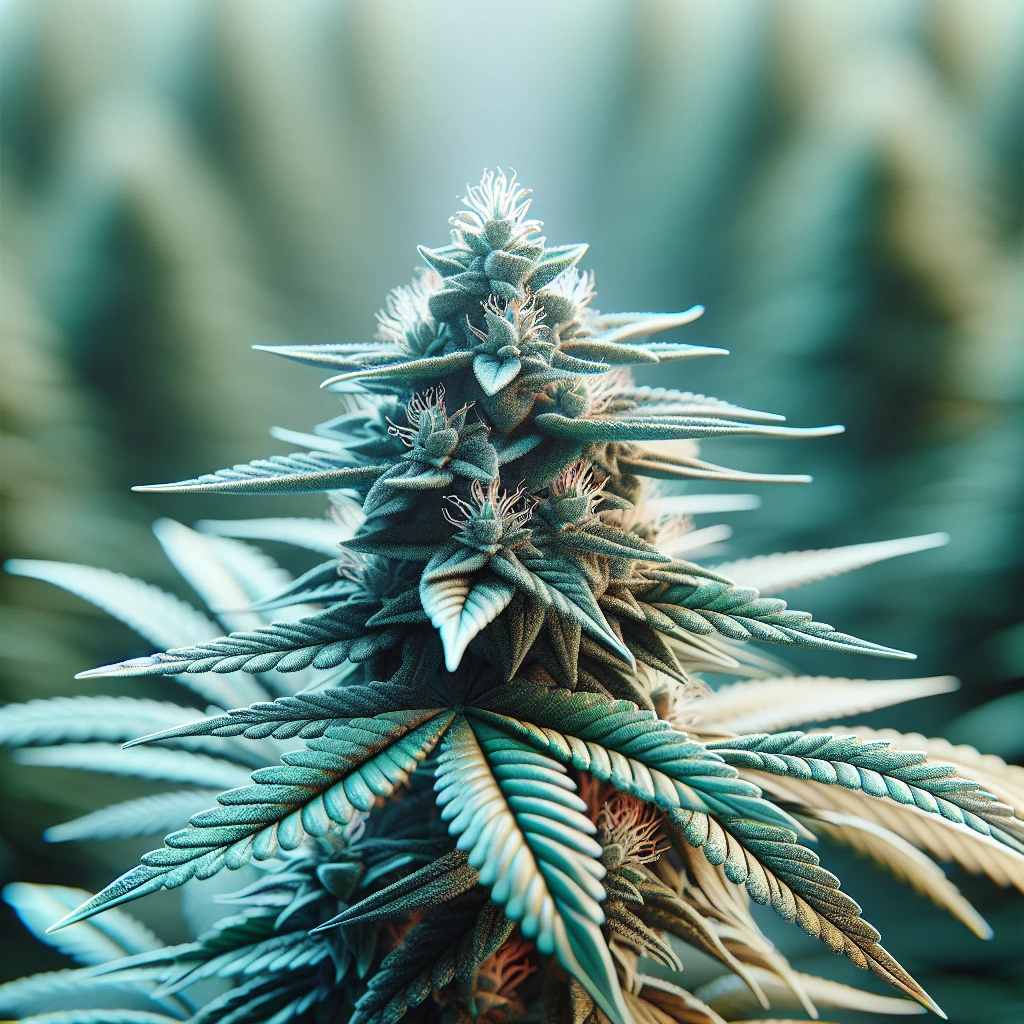
Hybrid
Garlic Totz
Garlic Totz sits squarely in the GMO family tree — a lineage defined by pungent, savory aromatics that push well past conventional cannabis flavor norms. The genetics trace through GMO-influenced stock, with some phenotypes showing a Black Lime GMO crossing that adds a sharp citrus-fuel edge beneath the dominant garlic-and-diesel base. THC lands at 18–21%, and the 10–11 week flowering window places it at the longer end of hybrid finish times, which growers willing to wait are consistently rewarded for. The terpene profile is anchored by caryophyllene and humulene — the same pairing that defines the broader GMO family's distinctive garlic, onion, and gas character. Caryophyllene brings peppery spice and depth; humulene contributes the earthy, slightly hoppy note that rounds out the savory profile and keeps the aroma from tipping into pure fuel. Flavor on the inhale delivers that precise garlic-diesel combination, finishing with a hint of cheese funk on the exhale that leaves the palate with something to consider. The effect profile runs relaxing and euphoric with a body-forward quality typical of heavy indica-leaning GMO hybrids. Tension unwinds steadily over the first 30 minutes, settling into a calm, grounded state that works well for evenings or rest days. At 18–21% THC it's potent but not disorienting — users report clear-headed contentment rather than sedation, making it usable in the early evening before a late night. The longer flowering cycle — 10–11 weeks — calls for planning, especially for outdoor growers in Boston, MA where autumn coastal humidity can devastate dense late-season buds. Bud rot is a genuine threat to any high-density GMO phenotype finishing in October fog, so Boston growers are better served running Garlic Totz in a climate-controlled indoor tent where temperature and airflow can be managed through the final weeks. Indoors, the dense flower structure rewards low-stress training early in veg to open the canopy and improve light penetration before the extended flower period begins.
THC: 18-21%
View Details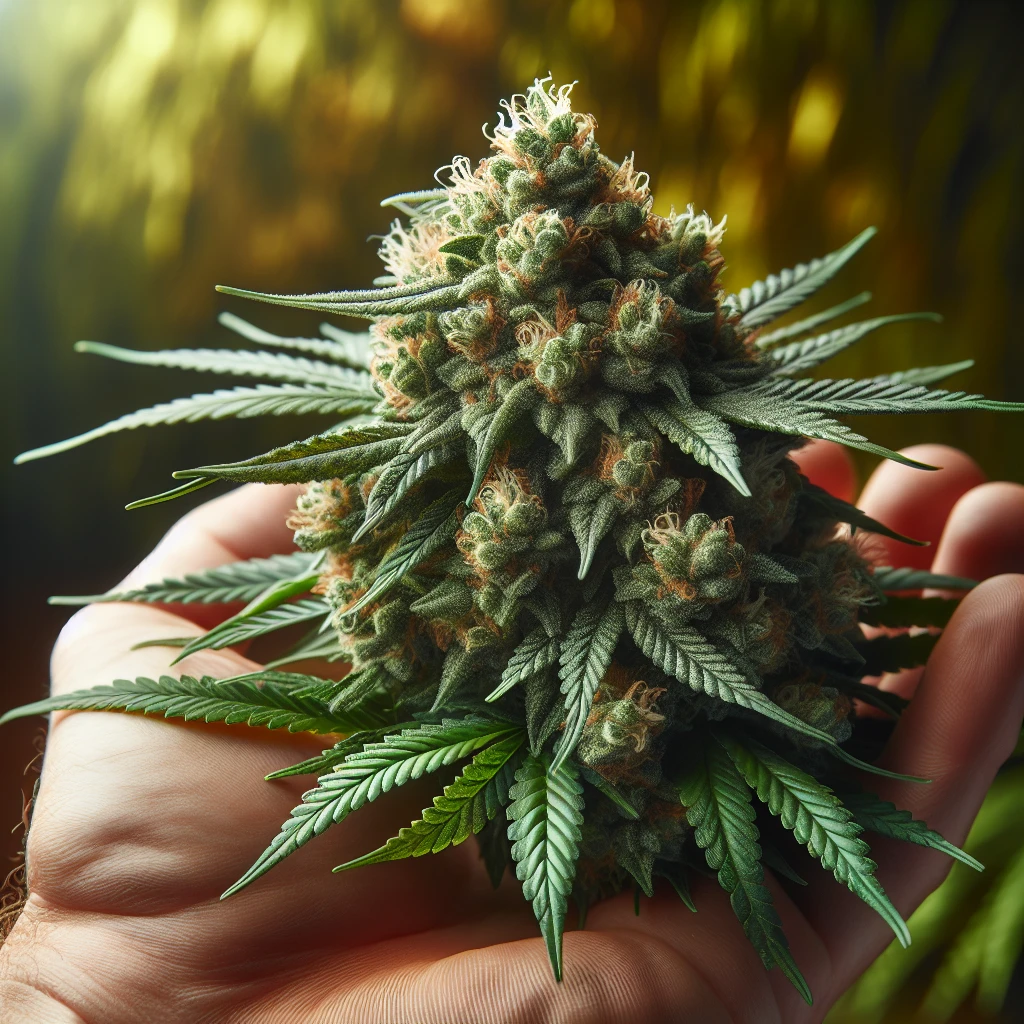
Hybrid
Gary Payton
Named after the Hall of Fame point guard, Gary Payton carries a pedigree that demands respect. This Cookies collaboration crosses The Y — itself a Amnesia Haze × Kali Mist sativa — with Snowman, a prized Girl Scout Cookies phenotype. The result is a balanced hybrid with 17–21% THC that plays both offense and defense: an uplifting cerebral opening followed by a grounding body effect that keeps things comfortable without putting you on the bench. The terpene profile leans on caryophyllene, linalool, and limonene to produce an aroma that's earthy and nutty with lavender floral notes, pine, and a sweet berry finish on exhale. That complexity is part of the strain's appeal — it rewards slow sessions where you actually pay attention to what you're tasting. Effects tend to arrive fast and hold for two to three hours: euphoria and a sense of ease, some giggles, and a relaxed clarity that suits social settings or quiet evenings equally well. Massachusetts home-grow rules allow up to six plants per adult, and Gary Payton's compact, trainable structure makes it a smart choice for anyone working within that limit and trying to maximize canopy efficiency. The 10–11 week indoor flowering time means a flip in mid-August will push harvest into late October — manageable, but outdoor growers in Boston, MA should note that the region's first frost typically arrives in mid-October, making those final ripening weeks a race against dropping temperatures. Moving plants under cover or into a greenhouse for the final push is a strategy worth planning ahead. Lineage: The Y × Snowman (GSC phenotype) Flowering time: 10–11 weeks indoors; early October outdoors Terpenes: Caryophyllene, Linalool, Limonene Effects: Euphoric, relaxed, sociable, mild body high Canopy training methods such as topping and low-stress training open up the plant's moderate internodal spacing and push lateral branching, which tends to improve both yield and airflow — critical for managing the damp conditions that accompany a New England autumn.
THC: 17-21%
View Details
Hybrid
Gelato
The Bay Area gave cannabis culture a lot of things, but few contributions hit harder than Gelato. Bred by Cookies Fam from Sunset Sherbet crossed with Thin Mint Girl Scout Cookies, this indica-leaning hybrid (roughly 55% indica, 45% sativa) carries one of the most recognizable flavor profiles in the modern cannabis market: creamy vanilla, ripe blueberry, and a whisper of citrus that opens on the exhale like sherbet melting on the tongue. Caryophyllene, limonene, and myrcene drive the terpene composition, pairing sweetness with a faint peppery depth. Effects land with a mental lift that clears quickly into focus and ease — not racing, not locked down. Users often describe a clear-headed calm layered over a relaxed body buzz that stops well short of sedation. At 16–20% THC, Gelato hits at a level most consumers find functional and enjoyable across a range of settings, from social situations to solo creative sessions. CBD stays minimal at 0.1–0.5%, keeping the psychoactive profile clean. Gelato flowers in 10–11 weeks, which puts Massachusetts home growers in an interesting position. Outdoors, that timeline pushes harvest into late October or even early November — past what Boston, MA's first frost reliably allows in most years. That makes this a natural candidate for indoor cultivation, where a controlled 12/12 flip in late summer produces harvest-ready colas without racing the calendar. Under good LED or HPS coverage with a stable environment, the strain rewards effort with dense, aromatic buds coated in frosty trichomes. Strain type: Hybrid (55% Indica / 45% Sativa) THC: 16–20% | CBD: 0.1–0.5% Flowering time: 10–11 weeks Terpenes: Caryophyllene, Limonene, Myrcene Grow difficulty: Intermediate Gelato's enduring popularity comes down to a simple equation: a complex, dessert-forward flavor that holds up through multiple sessions, effects that sit comfortably in the middle ground between energizing and sedating, and genetics robust enough to produce consistent results run after run.
THC: 16-20%
View Details
Hybrid
Gelato Autoflower
Sunset Sherbet and Thin Mint Girl Scout Cookies built one of California's most celebrated hybrids, and the autoflowering cut brings that pedigree into a Ruderalis-influenced frame that flowers on age, not light hours. THC runs 18–22%, with a terpene triad of limonene, caryophyllene, and myrcene that produces the strain's signature creamy citrus and candy-floss nose. Dense, trichome-thick colas sit on a plant that tops out around 70–100 cm — compact enough for a discreet balcony or a 3×3 tent setup. The effect arrives in two waves: an initial lift of creative clarity, then a gradual full-body ease that never crosses into couch-lock territory. Expect something in the middle — sociable enough for an evening in company, mellow enough to help you unwind afterward. The 9–10 week seed-to-harvest window aligns well with the flowering time listed for this cut. For Boston, MA home growers working under the Commonwealth's six-plant limit, Gelato Autoflower is worth a close look. The city's frost-free window runs roughly late May through mid-October — barely enough time for a long photoperiod strain to finish outdoors. Gelato Auto wraps in around nine weeks from seed, meaning a late-June start on a South Boston rooftop still finishes well ahead of the first hard frost, with room left for a second container run if you stagger plantings. Key Grow Notes Start seeds directly in their final container — autoflowers don't recover well from transplant shock Keep medium slightly dry between waterings; overwatering is the most common failure point Light defoliation only — Ruderalis genetics mean limited recovery time Indoor yields reach up to 550 g/m² under strong LED or HPS lighting Gelato Auto appeals to growers who want genuine dessert-tier flavor without photoperiod complexity. The creamy, berry-forward profile holds through cure and delivers at harvest regardless of whether you're running a tent in Dorchester or a sun-drenched patio in Cambridge.
THC: 18-22%
View Details
Hybrid
Gelato Sunset
Gelato Sunset sits in the sweeter corner of the Gelato family, a hybrid that traces back through Sunset Sherbet's creamy, berry-forward genetics and lands with a flavor profile that earns comparisons to Italian soft-serve — tropical citrus on the front end, a smooth vanilla and earth finish. Flowering wraps in 8–9 weeks, and THC comes in at 16–18%, placing this squarely in intermediate territory: genuinely potent without overwhelming recreational or first-time growers. Effects lean toward balanced. An initial mood lift settles into relaxed physical ease, making this a reliable early-evening strain. The low CBD content (0.1–0.4%) keeps the psychoactive experience clean. Terpene-wise, expect the sweet, fruity character that defines the Gelato lineage — limonene-forward, with caryophyllene lending a subtle spice underneath the dessert notes. The body component stays present without dominating, which suits users who want to stay functional through the experience. Gelato Sunset grows as a medium-height photoperiod plant that responds well to structured training. Indoor growers can push yields through LST or a light SCROG, encouraging lateral branching and improving light penetration to lower sites. Outdoors, dense bud structure means growers in humid climates need to stay attentive to airflow. The coastal autumn weather in Boston, MA — damp October mornings and temperature swings in the mid-40s — can turn dense Gelato nugs into bud rot territory fast. A late August harvest window helps; timing your flip so buds finish before October removes that risk entirely. The 8–9 week flower is one of Gelato Sunset's most practical attributes. It gives indoor cultivators predictable scheduling, and for outdoor growers in Massachusetts, it means a September finish with plenty of warm days left to allow full trichome maturation without racing against frost. Dense, trichome-coated buds develop a generous layer of resin that holds up well through the curing process, preserving both the creamy flavor and the balanced effect profile. Gelato Sunset is a reliable strain for growers who want a Gelato-lineage experience with a photoperiod timeline that doesn't extend into late autumn.
THC: 16-18%
View Details
Hybrid
Gelonade
Cross Lemon Tree — itself a Lemon Skunk and Sour Diesel descendant — with the iconic Gelato #41, and you arrive at Gelonade: a sativa-leaning hybrid that trades diesel grit for a citrus-cream finish that lingers on the palate long after the exhale. THC runs 17–20%, a range that delivers a clear, functional high without the ceiling-scraping intensity of newer ultra-potent crosses. The terpene profile is anchored by ocimene and linalool, with delta-limonene adding a sharp citrus edge; the combined effect reads as bright, slightly floral, and clean. Gelonade's effects open with an uptick in mood and mental energy — the sativa half of the lineage comes forward first, making it a productive choice for afternoon sessions, creative work, or social situations. The Gelato #41 parentage eases in gradually, rounding the experience with a mild physical ease that softens muscle tension without pushing toward sedation. The flavor tracks the aroma closely: zesty lemon up front, then a smooth, creamy finish that reflects the Gelato genetics underneath. Growing Gelonade Gelonade suits beginner-to-intermediate growers well. It shows vigorous vertical growth and a favorable calyx-to-leaf ratio, which means less labor-intensive defoliation and cleaner canopy management. Flowering wraps up in 9–10 weeks indoors. The plant responds well to low-stress training to open up bud sites and keep height in check. Outdoor growers along the New England coast face a familiar challenge with strains that push into October: the humidity that rolls off Boston Harbor in late September can turn dense buds into a botrytis risk overnight. Gelonade's open, calyx-forward structure helps here — there is simply less compressed plant material for moisture to accumulate in — but growers should still monitor humidity closely during the final two weeks of ripening and be ready to harvest promptly when trichomes reach peak maturity rather than waiting for the calendar. Finished buds display pale-green calyxes laced with bright orange hairs and a trichome coat that catches light with a pale gold sheen. The aroma, once jars are cracked, is an immediate burst of lemon zest over cream — exactly what the name promises.
THC: 17-20%
View Details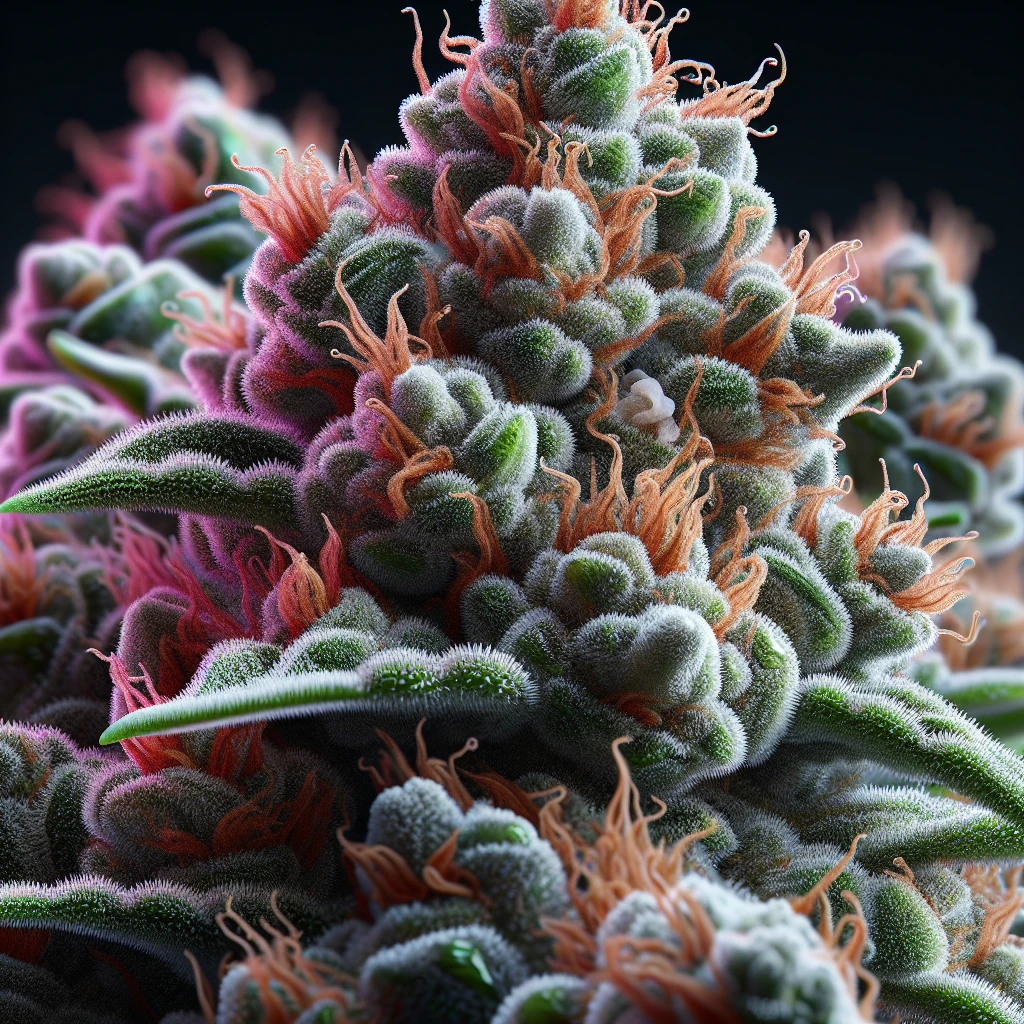
Hybrid
Genius Glow
Sweet florals, fresh pine, and a lift of citrus — Genius Glow announces itself on the nose before the first inhale. This hybrid carries 16–21% THC and finishes in a brisk 8–9 weeks, making it a versatile option whether you're running a tightly managed indoor cycle or working around a regional outdoor window. The buds are moderately dense with a generous trichome coating that gives cured flower a soft luminescence under light — matching the name well. The effect profile sits in productive, focused territory. Genius Glow tends to sharpen cognition rather than overwhelm it, making it a reasonable daytime or early-evening option for people who want to stay engaged. The initial cerebral clarity gradually softens into a mild body ease, but the overall character stays light enough to keep you functional. Creative work, reading, or a long walk are all compatible with this headspace. Myrcene and limonene figure prominently in the terpene mix, lending an earthy-herbal base that keeps the citrus notes grounded rather than sharp. Outdoor growers along the New England coast face a narrow planting window, and Genius Glow's 8–9 week flower time is a meaningful advantage. Germinating in mid-May and flipping to flower naturally in August means a harvest window in late September — just ahead of the first frost that typically arrives in the greater Boston, MA area between late September and mid-October. That timing is tight enough that indica-leaning, fast-finishing hybrids like this consistently outperform longer-cycling sativas for Massachusetts outdoor plots. Indoor cultivation is straightforward. Plant height stays manageable, and the strain takes well to screen-of-green setups that maximize light penetration across the canopy. Humidity discipline matters through the final two weeks of flowering; the terpene-rich buds benefit from a slow dry and a two-week minimum cure to allow the floral and citrus notes to fully develop. Genius Glow is an accessible strain for intermediate growers who want reliable output and a refined, functional smoke.
THC: 16-21%
View Details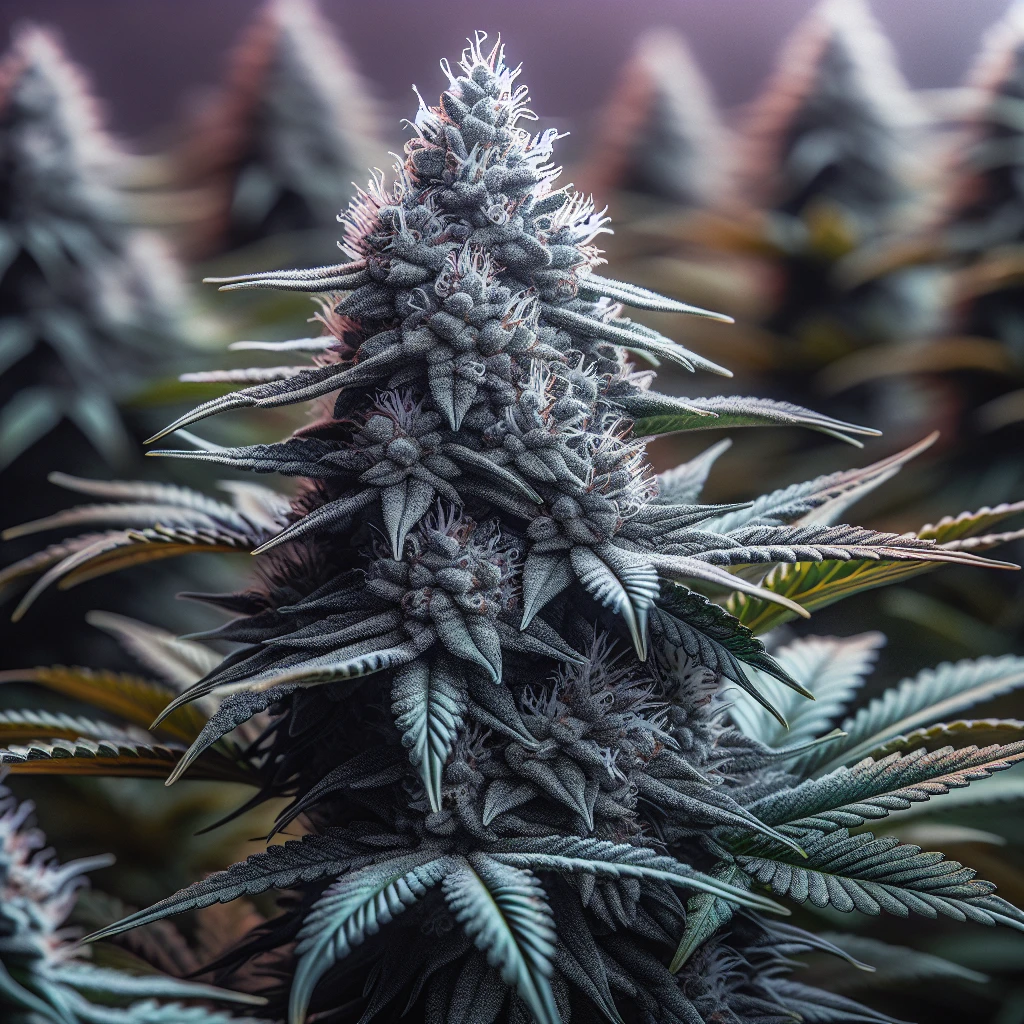
Sativa-dominant Hybrid
Ghost Train Haze
Rare Dankness built Ghost Train Haze by crossing Ghost OG — itself an OG Kush and Afghan Kush hybrid — with Nevil's Wreck, a sativa-dominant cross of Arcata Trainwreck and Neville's Haze. The result is a sativa-dominant hybrid with one of the sharpest aromatic profiles in the catalog: bright citrus and pine on the nose, a touch of floral sweetness from terpinolene, earthiness from myrcene, and a clean lemon brightness from limonene. THC comes in at 19–24%, and potent cuts have tested well above that ceiling. The effect is unmistakably sativa-forward — fast-hitting cerebral euphoria, heightened focus, creative energy. This isn't a strain to reach for when winding down; it's one for creative projects, long conversations, or an active afternoon. At higher doses, the intensity can lean into psychedelic territory for sensitive users. New growers should approach the consumption side with patience. On the cultivation side, Ghost Train Haze runs a long 11–13 week flower cycle, which is the most significant consideration for anyone in the Northeast. Boston, MA's outdoor growing season typically ends with hard frosts in mid-to-late October, leaving only the most carefully timed plants enough window to finish. For that reason, Ghost Train Haze is better suited to a controlled indoor tent where light schedules stay under your control and the 11–13 week flowering period isn't at the mercy of New England weather. Indoor growers can expect 1–3 oz per square foot with proper training and lighting. Grow Considerations Prefers warm, dry conditions — keep relative humidity under 50% during late flower Long flowering period rewards patience; harvest too early and the profile suffers Responds well to topping and LST; can stretch tall in a photoperiod stretch Dense, resinous buds benefit from a two-week flush before harvest Ghost Train Haze suits experienced growers willing to manage the long cycle and structural needs of a vigorous sativa-dominant plant. The reward — sharp, complex aromatics and a cerebral experience that few strains match — justifies the wait and the attention.
THC: 19-24%
View Details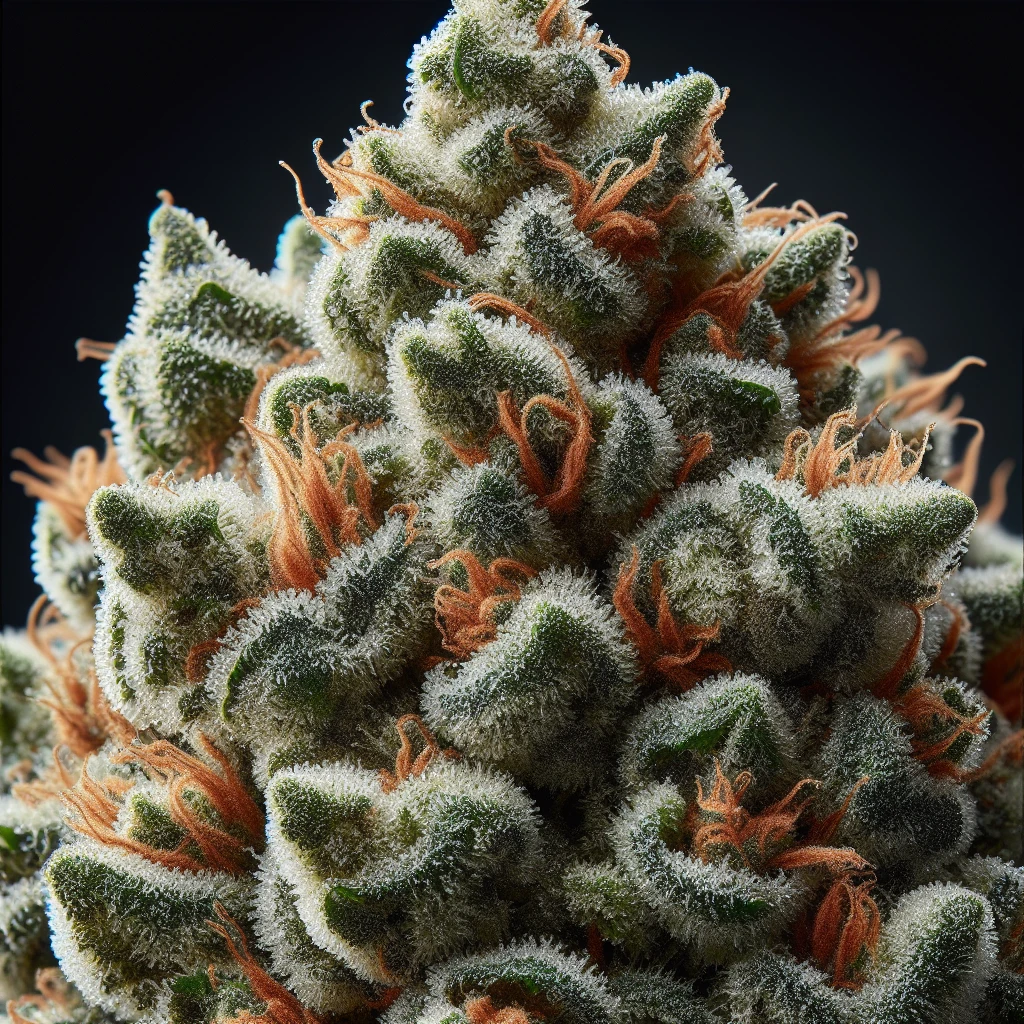
Hybrid
Girl Scout Cookies
Crossing OG Kush — specifically the Florida Cut — with the F1 Durban Poison phenotype produced one of the most recognized hybrids in contemporary cannabis: Girl Scout Cookies, or simply GSC. The OG side brings full-body weight and terpene complexity; the Durban lineage injects an uplifting cerebral arc that keeps the experience from tipping into couch-lock. The result sits somewhere between energetic and deeply calm, which accounts for its broad appeal across experience levels. Caryophyllene leads the terpene chart, delivering spice and pepper, with limonene adding a citrus lift and myrcene grounding everything in musky earth. Buds tend toward dense, forest-green nugs with patches of purple and a heavy trichome coat that reflects GSC's consistently high resin production. THC lands in the 18–28% range, making this one of the wider potency spreads in the hybrid category — phenotype selection matters here, so starting doses conservatively is worthwhile. At 9–10 weeks of flowering, GSC asks for patience, but growers who run a full, unrushed cycle are rewarded with resin-coated flowers that cure beautifully. The strain does well under both indoor LED setups and outdoor sun, though outdoor timing is worth considering for anyone growing in the Boston, MA region. With the city's last reliable frost arriving in mid-October and humidity climbing through late September, growers who flip to 12/12 in early to mid-July can hit the harvest window in late September — before the damp air that follows the first cold fronts creates bud-rot pressure on dense flowers like these. Indoor cultivation through the long New England winter is equally rewarding. GSC's compact-to-medium stature fits comfortably in a 4x4 or 5x5 tent, and it responds well to low-stress training that spreads the canopy and increases cola sites. Expect moderate yields indoors — roughly 300–350 grams per square meter — but the quality of the flower more than justifies the run time.
THC: 18-28%
View Details
Hybrid
Godfather OG
Experience the unparalleled potency and complex flavor profile of Godfather OG. Celebrated for its immediate cerebral uplift and profound body relaxation, this selection offers a distinctive pine taste with subtle grape and citrus notes, complemented by an earthy aroma with spicy herbal undertones. Ideal for seasoned enthusiasts seeking a deeply calming and flavorful experience.
THC:
View Details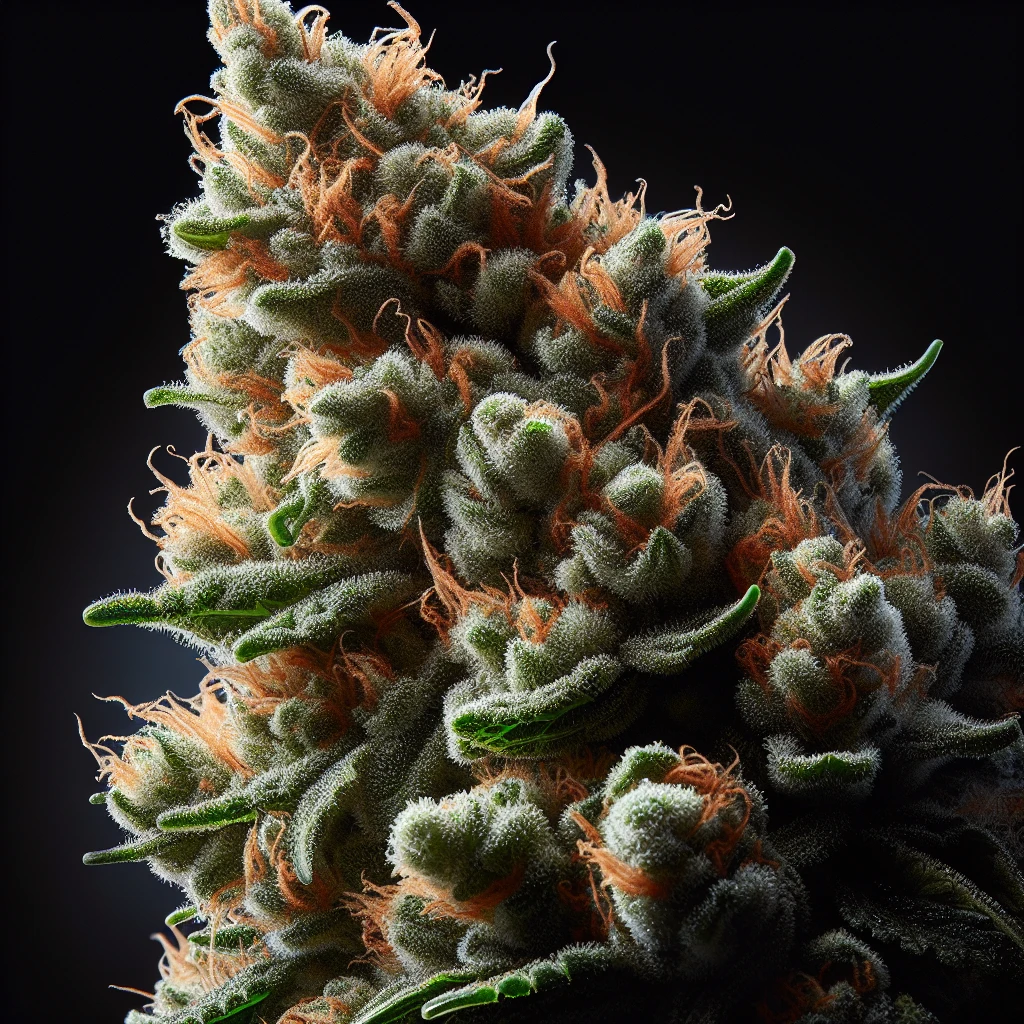
Hybrid
Gorilla Glue #4
The origin story of Gorilla Glue #4 reads like a happy accident: a hermaphroditic Chem's Sister plant pollinated a Sour Dubb crop, and the resulting seed — grown out by breeder Joesy Whales alongside Chocolate Diesel — became one of the most talked-about hybrids of the past decade. That three-way cross of Chem's Sister, Sour Dubb, and Chocolate Diesel sits at roughly 63% indica and produces THC that routinely tests between 25–30%, exactly as listed for these seeds. The dominant terpenes — caryophyllene, limonene, humulene, and myrcene — build a flavor that reads earthy and pine-forward on the nose with surprising hints of dark chocolate and spent coffee grounds underneath. Effects arrive fast and hit hard. The initial wave is euphoric and head-heavy, the kind of cerebral press that makes music sound richer and boredom impossible. Within thirty minutes the body catches up, and the classic "glued to the couch" sensation GG4 is known for settles into the limbs. At these THC levels this is emphatically an experienced-consumer strain; first-timers should treat it with respect. Pain, muscle tension, and insomnia are the most common reasons medical users reach for it. Outdoors in Massachusetts, GG4 follows its 8–9 week flowering timeline cleanly, targeting a harvest window in early-to-mid October — workable in a normal Boston, MA autumn before the first hard frost typically arrives in late October. The challenge is resin. This cultivar produces trichomes so aggressively that harvest scissors gum up within fifteen to twenty cuts; keeping isopropyl alcohol on hand at trim time is not optional. Staking or caging main colas before they swell in late flower prevents branches from snapping under the weight of fully ripe buds. Lineage: Chem's Sister × Sour Dubb × Chocolate Diesel Flowering time: 8–9 weeks THC: 25–30% | CBD: 0.1–0.2% Dominant terpenes: caryophyllene, limonene, humulene, myrcene Indoor cultivators get the most consistent results by monitoring both humidity and temperature closely — GG4's dense structure is susceptible to bud rot when airflow is neglected. Yields are generous for growers willing to top early and run a SCROG net. What comes off that net at week nine is a sticky, heavily resinous harvest that makes a strong case for why this strain earned its name.
THC: 25-30%
View Details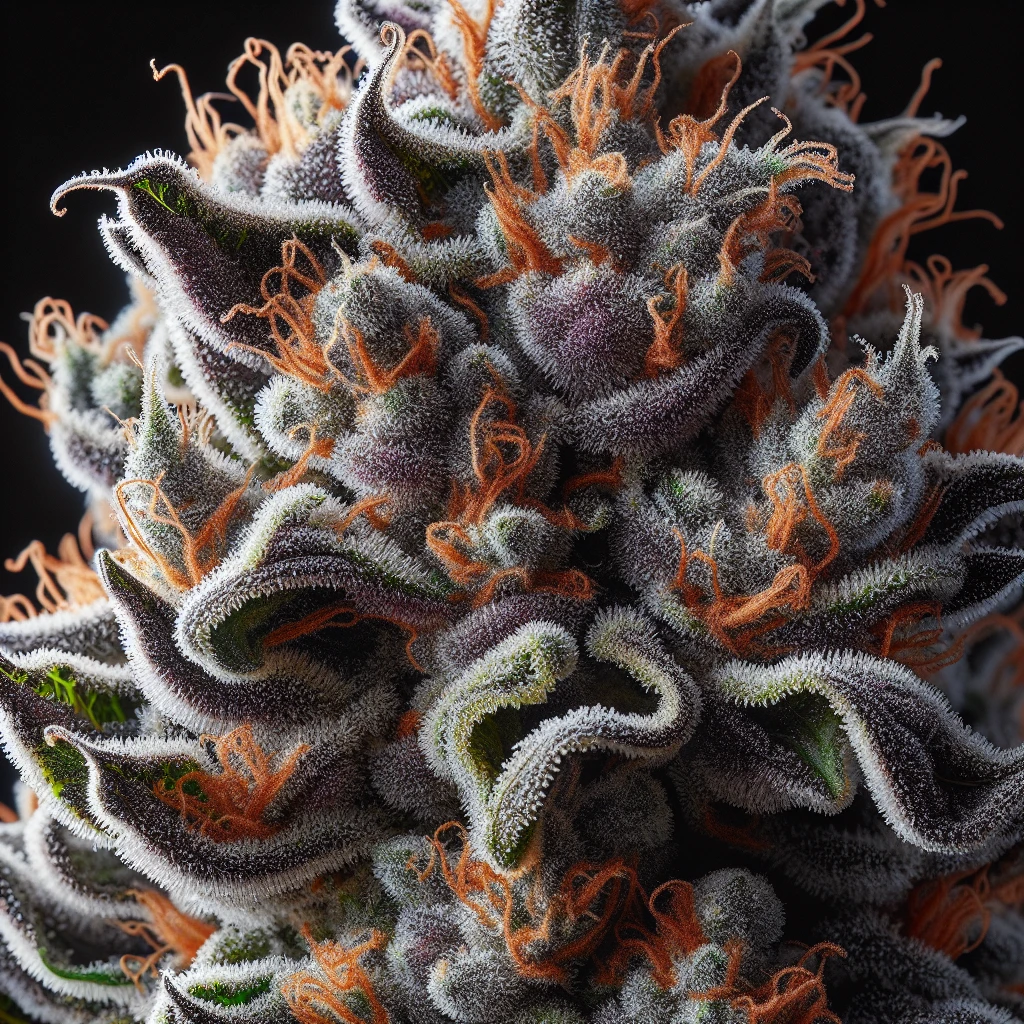
Hybrid
Grand Daddy Purp
Few strains announce themselves as clearly as Grand Daddy Purp. The moment these flowers cure properly, the room fills with deep grape and berry — dense, almost jammy — undercut by a sweet earthiness that traces back to its Afghan and Purple Urkle roots. Ken Estes popularized this classic in 2003 by blending Mendo Purps, Skunk, and Afghanistan genetics, and the resulting cultivar has remained a benchmark indica-dominant hybrid for more than two decades. Our version stays true to that lineage, finishing at 16–19% THC with CBD pushing close to 0.9%, which gives the experience a softer landing than pure-THC alternatives. The effect profile is exactly what the reputation promises: a wave of cerebral euphoria that arrives first and settles into a progressive body relaxation that can pin even seasoned consumers to the couch if the dose is generous. Myrcene drives the relaxation component hard, working alongside caryophyllene's anti-inflammatory spice notes and a touch of pinene that keeps the early mental phase from turning foggy. GDP is a genuine evening strain — not a forced indoors day-off cultivar, but a legitimate wind-down companion after long hours on your feet. Indoor cultivation runs a reliable 8–9 week flower cycle. Plants stay compact and bushy, making them excellent candidates for screen-of-green setups where lateral branching can be maximized under limited canopy space. Yields are generous for the size, and the signature purple coloration deepens when night temperatures drop slightly in the final two weeks — a technique easy to replicate in a Boston, MA basement grow room in autumn, where ambient temperatures naturally fall and coaxing that purple without chilling the roots is a matter of leaving a window cracked on a cool October night. THC: 16–19% CBD: up to 0.9% Flowering time: 8–9 weeks Lineage: Mendo Purps x Skunk x Afghanistan (Purple Urkle x Big Bud lineage also documented) Primary terpenes: myrcene, caryophyllene, pinene Massachusetts home-grow regulations allow up to six plants per adult, and GDP earns one of those slots without argument. The strain is straightforward enough for intermediate growers to manage, forgiving of minor nutrient fluctuations, and the harvest reward — thick, purple-frosted flowers with an unmistakable grape aroma — makes the eight weeks feel well spent.
THC: 16-19%
View Details
Indica
Granddaddy Purple
Ken Estes introduced Granddaddy Purple to Northern California in 2003 by crossing Big Bud with Purple Urkle, and the resulting indica became a benchmark for the category. Big Bud contributed generous yield architecture and structural density; Purple Urkle passed along the deep violet coloration, the grape-and-berry terpene signature, and the heavy, body-focused effects. The outcome is a 100% pure indica with 17–23% THC and a flavor profile anchored by myrcene, caryophyllene, and pinene — grape jam sweetness, a musky undercurrent, and a faint piney exhale on the finish. The striking purple hues deepen as temperatures cool during late flower. This is a photoperiod strain, which means it requires a deliberate light-cycle change to 12/12 to trigger flowering. That detail matters: Granddaddy Purple is a different cultivation experience from its autoflowering counterpart and from the other GDP varieties in this catalog. It rewards growers who invest time in a proper vegetative phase, allowing the plant to develop the root mass and branching structure needed to support its characteristically dense, oversized buds. Flowering runs 8–11 weeks. Outdoors in Massachusetts, GDP is a late-season strain. Boston, MA growers who time a flip or flip-equivalent outdoor trigger for mid-August can expect late October harvest windows — which cuts it close given the region's frost schedule. Most experienced GDP cultivators in the Northeast run it indoors, where the 8–11 week bloom can be scheduled with precision and the plants aren't exposed to October's cooling temperatures and rain that can degrade bud quality. Effects are deeply relaxing and strongly physical. The cerebral component arrives as gentle euphoria before yielding to a full-body heaviness that makes this strain a classic evening and nighttime choice. Appetite stimulation is well-documented. The grape and berry flavors carry through on the exhale, and properly cured Granddaddy Purple has one of the most recognizable and consistent sensory profiles in the indica catalog.
THC: 17-23%
View Details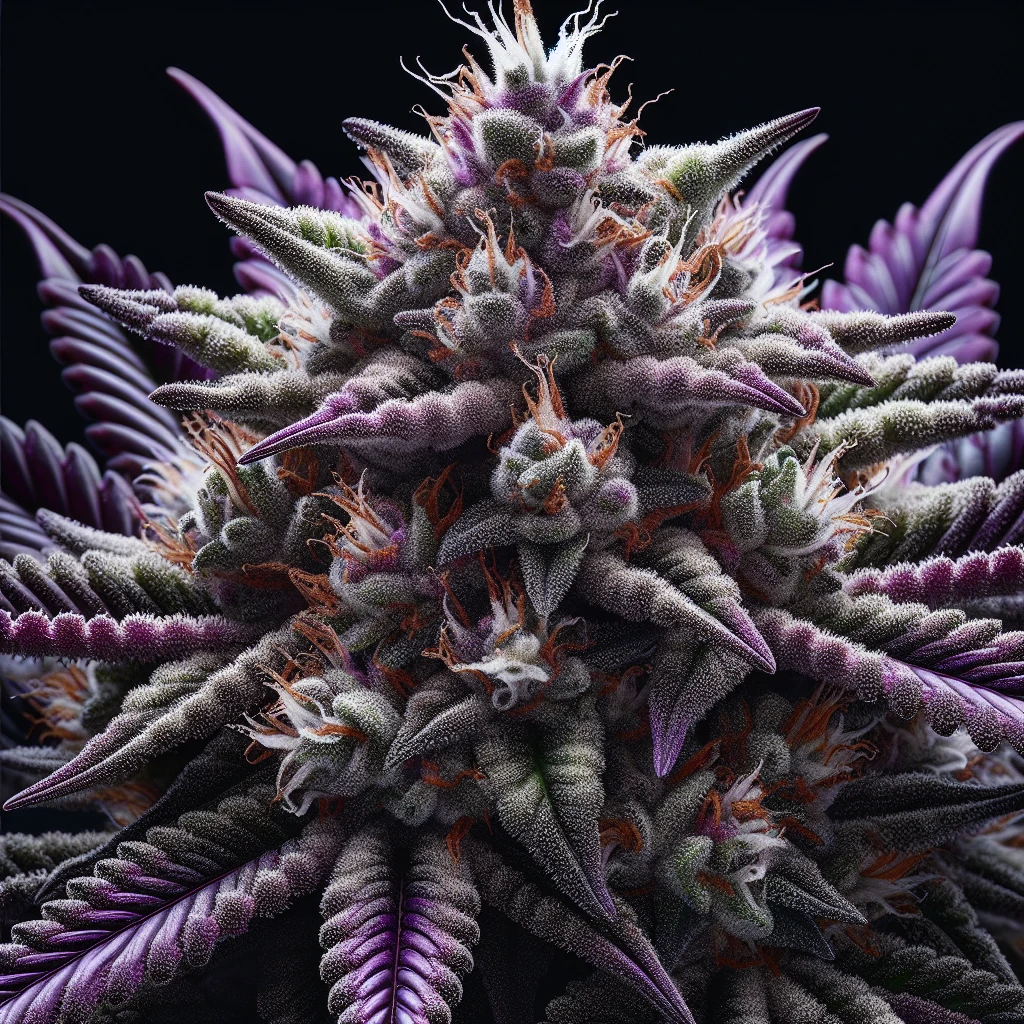
Hybrid
Granddaddy Purple Autoflower
Granddaddy Purple Autoflower takes the Purple Urkle and Big Bud foundation of the original GDP and rebuilds it around Ruderalis genetics, producing a plant that shifts from vegetative growth to flowering based on age — no light-cycle management required. The result is 75% indica, 20% sativa, and 5% Ruderalis, with around 19% THC and the same grape-and-berry aromatic signature as its photoperiod relatives, though the cultivation experience is meaningfully different from any of the photoperiod GDP variants. Where the photoperiod Granddaddy Purple can push past 150 cm and demands a deliberate flip, the auto version stays compact — typically 100–140 cm indoors — and wraps seed-to-harvest in roughly 8–9 weeks from germination. That compressed timeline has specific appeal for outdoor growers in New England: Boston, MA's frost-free window spans roughly late May through mid-October. A June 1 seed start finishes in mid-August, leaving the option for a second container run before September ends. Two harvests from a single outdoor season isn't realistic with any photoperiod indica; with this auto, it's a practical goal. The grape, berry, and subtle earthiness of the original GDP translates well into the autoflower format. Effects lean toward the body-heavy, relaxing side of the indica spectrum — tension release, mood lift, eventual physical ease — in an experience that mirrors the classic GDP profile without requiring the vegetative investment. Myrcene, caryophyllene, and pinene make up the core terpene triad here, the same trio that defines the broader Granddaddy Purple lineage. Autoflower Grow Tips Plant directly in the final container to avoid transplant stress — roots disturbed mid-lifecycle can stunt auto plants permanently Fabric pots improve drainage and air-pruning, supporting the dense root mass this indica-heavy genetics develops Outdoor yields run 70–120 g per plant; indoor under good lighting can reach 375–450 g/m² Stagger plantings two to three weeks apart to extend the harvest window across the whole summer
THC:
View Details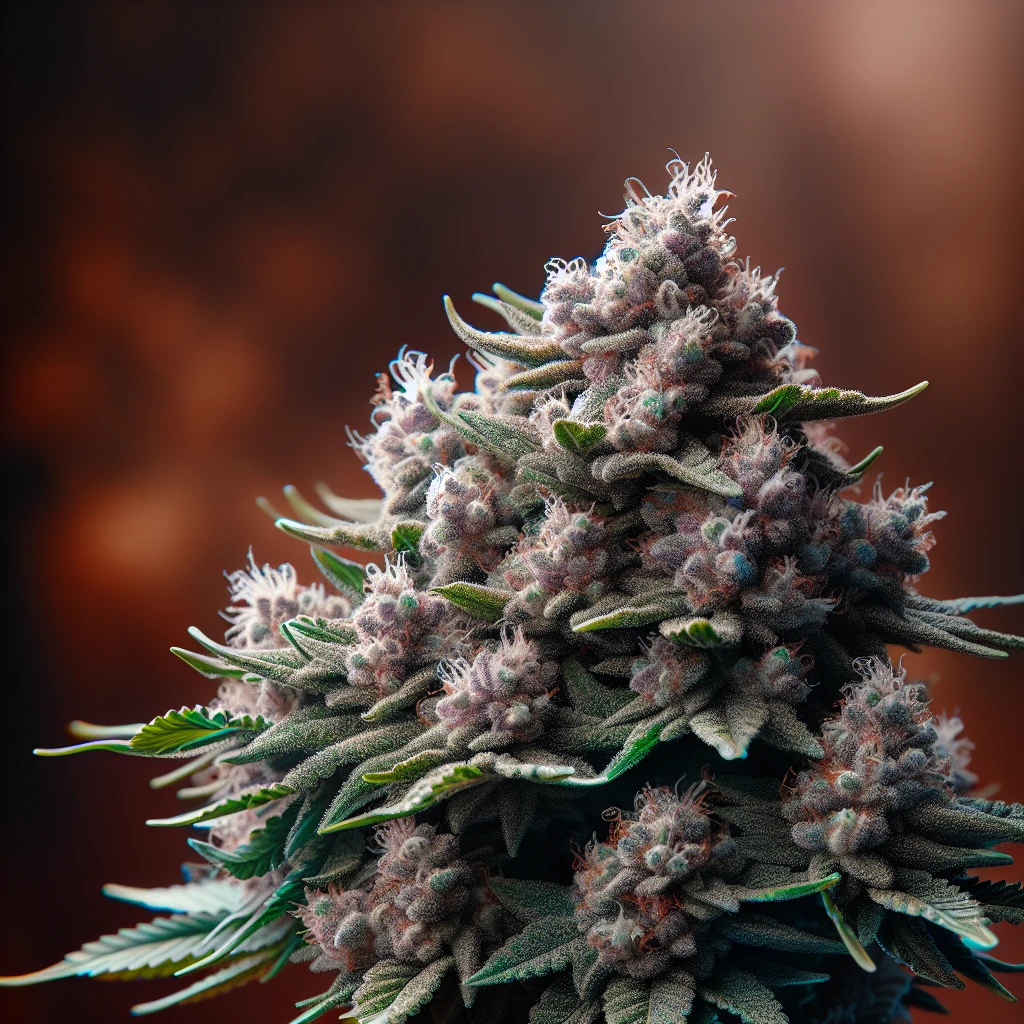
Hybrid
Grape Bubblegum
Sweet, candy-forward, and genuinely fun to smoke, Grape Bubblegum traces its roots to the classic Bubble Gum lineage — a strain refined in Europe throughout the 1990s — crossed with grape-leaning genetics, most commonly Grape Ape or a similar purple-dominant variety. Some seed bank versions root the cross closer to GMO and Purple Punch territory. The shared outcome across phenotypes is consistent: a juicy grape-soda aroma layered over the soft, sugary bubblegum sweetness the original parent made famous. Caryophyllene, limonene, and myrcene anchor the terpene profile, contributing both the candy shop nose and a mellow physical underpinning. THC lands between 17 and 22%, placing Grape Bubblegum firmly in the mid-potency tier — strong enough to be satisfying without demanding respect from the couch for the rest of the evening. Effects lean indica-adjacent: initial mood elevation and mental ease followed by a relaxed, pleasantly hazy body state suited to late-afternoon sessions or early evening wind-down. The dessert character carries through to the exhale, where the sweetness lingers rather than fading into something bitter or chemical. What to Expect in the Grow Room Flowering time: 8 to 9 weeks Notable stretch in the first two to three weeks after the flip to 12/12 — often reaching 1.5x to 2x pre-flower height Strong central cola; responds well to SCROG or LST to even out the canopy Medium-to-high yield potential with appropriate training New England's coastal humidity is a genuine factor for outdoor cultivators, and Grape Bubblegum's dense bud structure rewards growers who stay vigilant about airflow late in the season. Anyone running this outdoors near Boston, MA should plan for harvest well before the mid-October frost window — the 8-to-9-week flowering window means a late-July flip or a mid-to-late September finish under natural light is achievable, but leaving the plant exposed into October invites the damp, foggy stretches that coastal Massachusetts routinely produces in autumn.
THC: 17-22%
View Details
Hybrid
Grape Octane Autoflower
Grape Octane Autoflower seeds are the result of a masterful cross between Grape Pie and High Octane OG, further enhanced with ruderalis genetics to introduce autoflowering traits. This hybrid blend is perfectly balanced with 50% indica and 50% sativa genetics, offering growers a strain that combines quick growth, high potency, and resilience. The genetic makeup ensures that Grape Octane Autoflower is both potent and flavorful, appealing to a wide range of cannabis enthusiasts.
THC:
View Details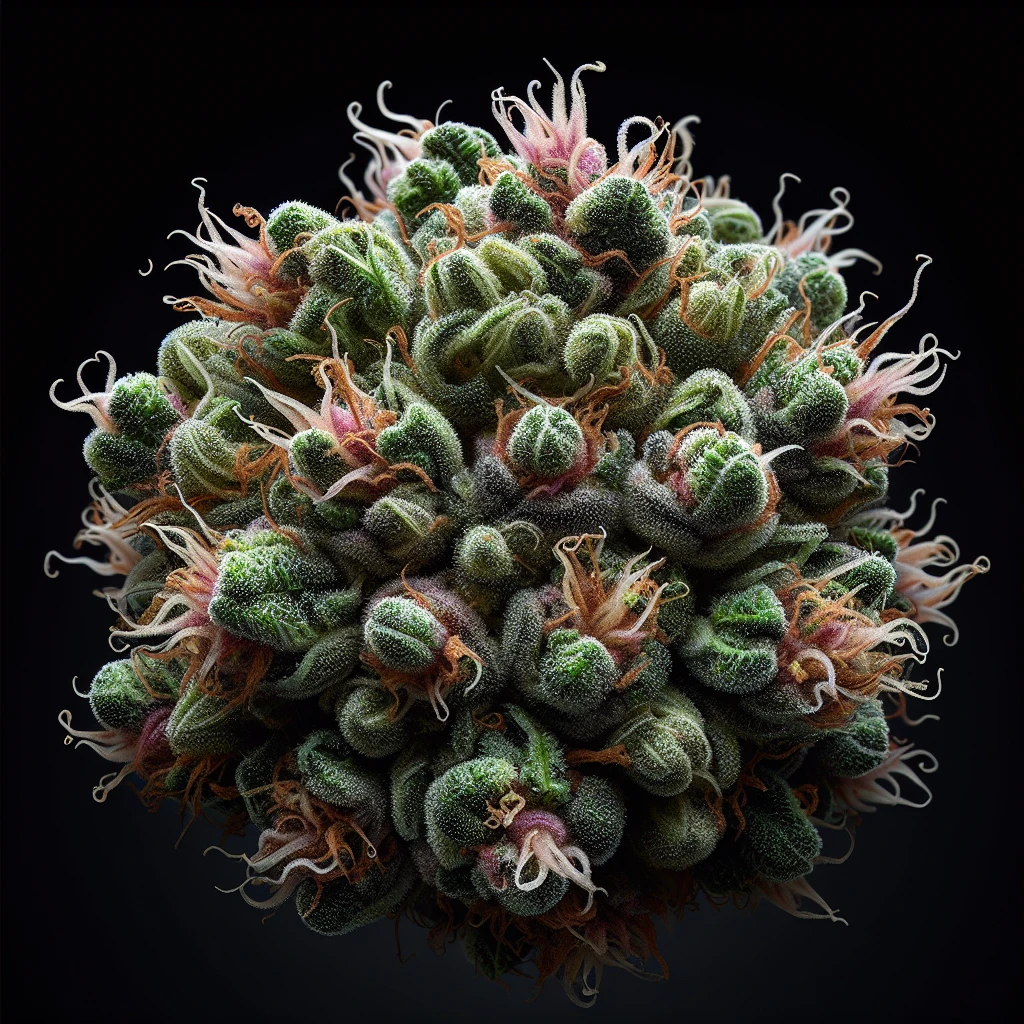
Hybrid
Grapefruit
Grapefruit was developed by Positronic Seeds using Cinderella 99 as the primary parent, crossed with a landrace sativa to push the citrus character even further forward. Cinderella 99 itself carries Jack Herer and Shiva Skunk genetics, and Grapefruit inherits both the sativa-forward effect profile and the intensely fruit-forward terpene expression. The dominant terpene is limonene, which drives the unmistakable grapefruit and tropical citrus nose, supported by myrcene and caryophyllene. The result is a sativa-dominant hybrid that lives up to its name at every stage — from breaking the bud open to the exhale. Effects are uplifting and energizing: mood elevation, creative focus, and a sociable headspace that makes Grapefruit a strong choice for daytime use. At around 19% THC, it sits in a range that's genuinely effective without the intensity of higher-THC sativas. The body component is mild — just enough physical ease to smooth the edges without compromising the mental clarity that defines this strain's appeal. Grapefruit flowers fast for a sativa, wrapping up in as little as 42–56 days under a 12/12 light schedule. That quick turnaround makes it one of the more practical photoperiod sativas for indoor cultivators who don't want to commit to three-month flower cycles. For growers running a tent through Boston, MA's long winters, Grapefruit's efficiency means you can run multiple indoor cycles between October and May — keeping the grow room productive through the cold months when outdoor options are off the table entirely. Warm, well-ventilated conditions suit this strain best. Adequate airflow matters — the tropical sativa structure and dense flower sites can invite moisture issues if the environment isn't managed. Indoor growers working with a tent can address this with oscillating fans and consistent humidity control. The payoff is a bright, citrus-dominant harvest with a flavor profile that's immediately recognizable and a clean, energetic effect that holds its appeal across repeated use.
THC:
View Details
Hybrid
Grapefruit Autoflower
Squeeze the most out of every growing season with Grapefruit Autoflower — a sativa-leaning Ruderalis hybrid that fuses the citrus-forward character of the original Grapefruit (Cinderella 99 × mystery sativa) with the light-schedule independence of autoflowering genetics. The result is a compact, fast-cycling plant that hits harvest in roughly 8–10 weeks from seed without any intervention from the grower on photoperiod. The terpene profile leans heavily on limonene and caryophyllene, with supporting notes from myrcene and phellandrene. That combination produces the strain's signature aroma: tangy grapefruit pith up front, a faint herbal backbone in the middle, and a clean, almost tropical sweetness on the exhale. Buds tend to be moderately dense with a generous frosting of resin — not the heaviest yielder, but consistent and predictable, finishing at roughly 16–19% THC with minimal CBD. Effects are classically sativa: clear-headed, energizing, and uplifting without the anxiety that can tag along with higher-THC sativas. Creative focus is the common thread in user reports — this is a daytime cultivar suited to people who want to stay functional. The mild body undercurrent from myrcene keeps the experience grounded rather than scattered. Growing Grapefruit Auto in New England Compact stature: Plants typically top out around 60–80 cm, fitting comfortably on a Boston apartment balcony within Massachusetts's six-plant home-grow limit. Outdoor timing: Boston, MA averages a frost-free window of roughly late May through mid-October. A Grapefruit Auto seed dropped in early June can reach harvest by mid-August — leaving enough season to run a second container plant before the first frost arrives. Indoor ease: Under a simple 20/4 or 18/6 schedule the plant performs well in a small tent, making it a strong candidate for the long Massachusetts winters when outdoor growing is off the table. Grapefruit Autoflower is forgiving for newer cultivators — its ruderalis lineage adds resilience to temperature swings and minor nutrient imbalances. Growers who appreciate a strain that delivers a defined citrus sensory experience without demanding expert-level attention will find this autoflower a reliable addition to their rotation.
THC:
View Details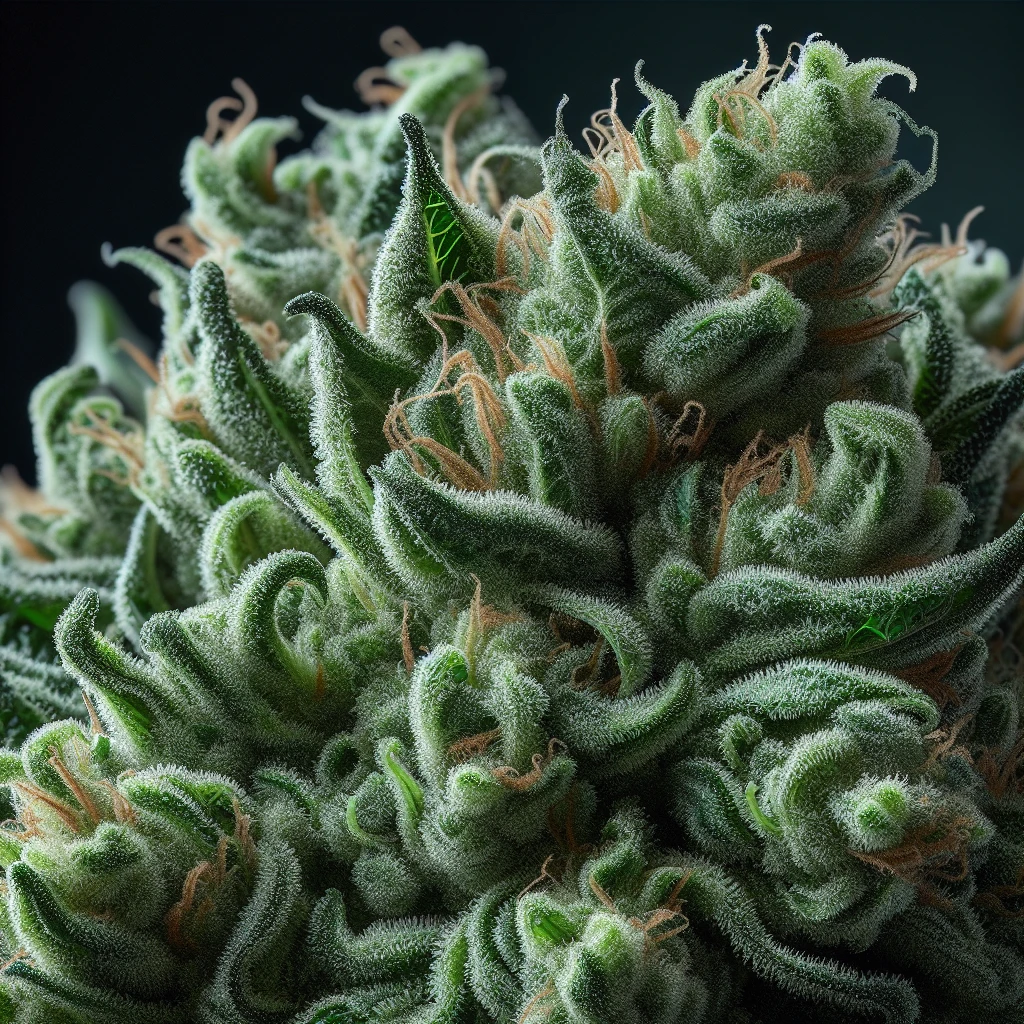
Sativa
Green Crack
Few sativas have the staying power of Green Crack. Originally called Cush or Green Cush when it emerged from California in the 1970s, the strain's reputation for sharp, immediate energy eventually earned it the more colorful name it carries today. Genetics trace to a Skunk #1 and Afghani landrace cross — a pairing that gives this sativa its structure and resin while keeping the growth manageable and the flowering time tight. THC sits at 15–25% depending on phenotype and cultivator skill, with CBD staying low at 0.1–0.3%. Myrcene, caryophyllene, and limonene define the terpene profile, expressing as a sharp mango-citrus nose with undertones of herbal earthiness. Smoke or vapor delivers a bright, clean fruit flavor that confirms what the aroma promises. Effects are classically sativa: focused mental stimulation, mood elevation, and sustained energy without heavy body weight. The onset is fast, the ceiling is social and functional, and the arc stays active for most users well into the experience. Outdoor Timing for New England Growers Green Crack's 7–9 week flowering window is one of its biggest practical strengths for outdoor growing in the Northeast. Plants started after the last frost in Massachusetts typically reach harvest-ready maturity in late September — right before the first frost window opens across greater Boston, MA, and well ahead of the early October cold snaps that can catch longer-flowering strains mid-bloom. That timing matters: outdoor sativas that push into October in a coastal New England climate are gambling against both temperature drops and the dampness that follows autumn nor'easters. Indoor grows are straightforward with this strain. It is vigorous and responds well to topping and training, but growers should be ready to manage height if growing in a tent with limited vertical clearance. Good airflow and consistent light exposure through the canopy are more important than complex nutrient protocols. For anyone looking for a dependable daytime cultivar that rewards attention to training without demanding advanced-level care, Green Crack is a field-tested choice.
THC: 15-25%
View Details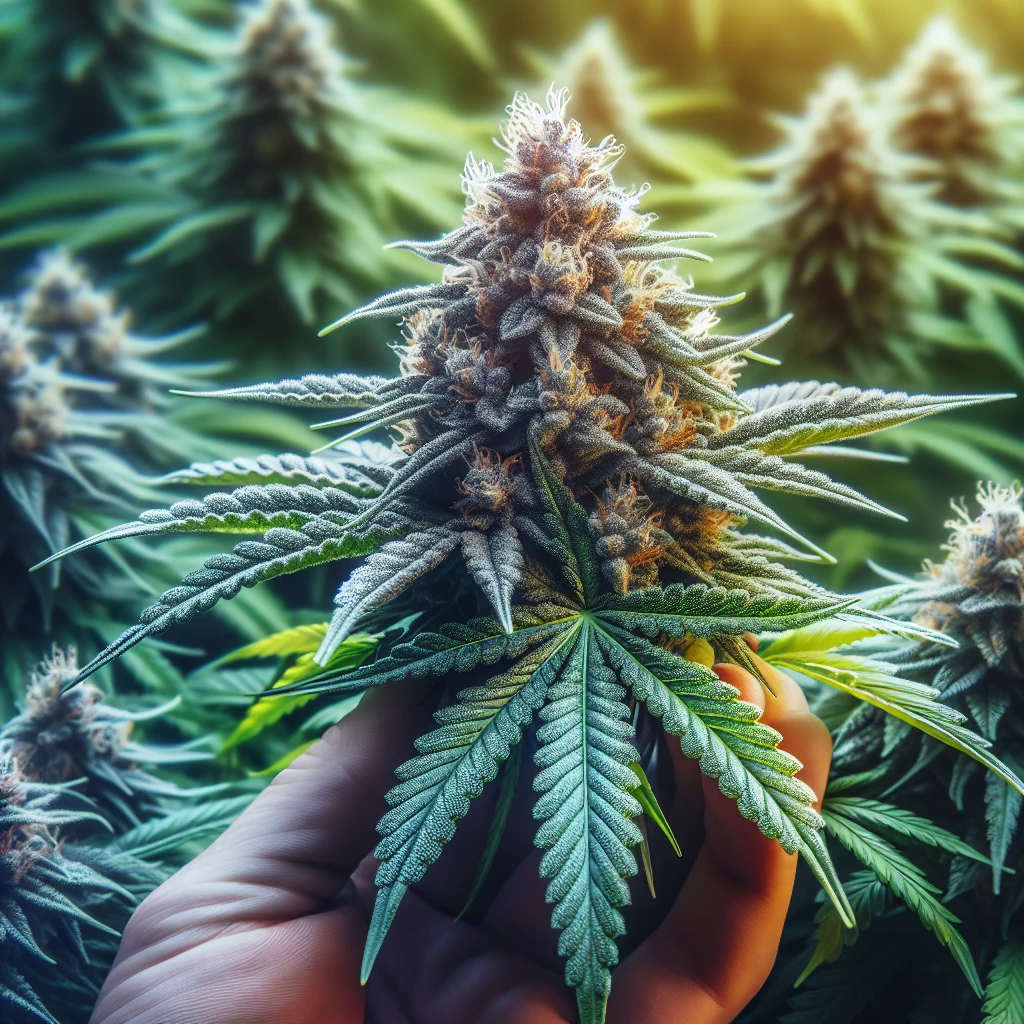
Hybrid
Gush Mintz
Purple City Genetics built Gush Mintz from three distinct contributors — Kush Mints, F1 Durban, and Gushers — and the layering shows in every aspect of the plant, from its vigor in veg to the complexity sitting inside each exhale. Kush Mints brings frosted trichome density and a minty-gas backbone, F1 Durban locks in structural potency and a tight internode pattern, and Gushers injects the candy-fruit sweetness that carries through to the finished flower. The dominant terpenes are caryophyllene, limonene, and linalool, combining into an aroma that reads as creamy, gassy, and faintly floral all at once. THC runs 18–22% in the target window for this seed offering. The effects follow the genetics honestly — a sharp euphoric onset that brings energy and a clear, uplifted mental state, transitioning over thirty to sixty minutes into deep physical relaxation that stays comfortable rather than overwhelming. This is the hybrid that works well both for an active afternoon and a mellow evening, depending on set and dose. Many users report that the minty top note on the exhale leaves a cooling sensation that extends the sensory experience well past the first pull. Cultivation Notes Gush Mintz is a genuinely vigorous plant — it stretches quickly through veg and benefits from topping or LST early to control height and push lateral branching. Indoors, expect spear-shaped colas stacked with tight internodal spacing and a flower-to-leaf ratio that makes trimming significantly easier than many modern exotics. The strain is a 65–70 day flowerer, accommodating to both patient and practical timelines. Massachusetts home growers operating under the state's personal cultivation rules — a maximum of six plants per adult, twelve per household — will find Gush Mintz one of the more rewarding options per square foot of canopy, especially through the long indoor season that starts when Boston, MA's outdoor window closes in mid-October as nighttime temps begin dropping below 50°F. Dial humidity below 45% in the final two weeks to protect the dense, resin-packed colas from late-flower moisture issues. Finished buds are dense, emerald-and-purple structures blanketed in silver trichomes. The cure deepens the gas note and lets the Gushers candy sweetness bloom fully, creating a jar that smells exactly as advertised.
THC: 18-22%
View Details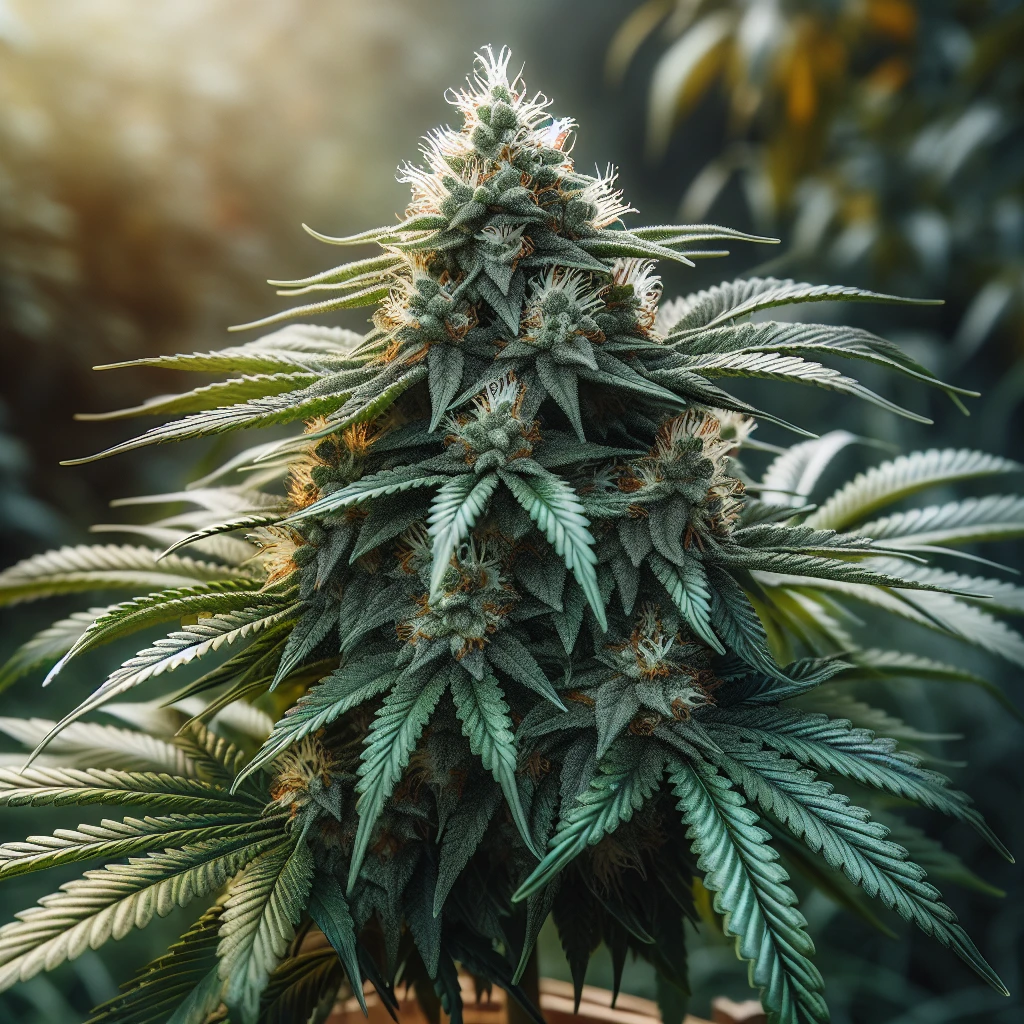
Hybrid
Hash Belt
Hash Belt crosses Rainbow Belts with Hash Burger, threading the candy-fruit brightness of the Belts lineage through the thick, gassy resin structure that Hash Burger inherits from its GMO and OG Cookies ancestry. The result is a hybrid that smells like a dispensary shelf and grows like a workhorse — bushy, heavy-yielding, and forgiving enough for cultivators who are still dialing in their technique. THC runs 17–20%, a range that delivers reliable potency without demanding the tolerance of a seasoned daily consumer. The terpene profile centers on caryophyllene, myrcene, and humulene. Caryophyllene pushes a gassy, peppery bite to the front; myrcene builds the earthy-herbal base; humulene — a terpene shared with hops — adds a subtle woody bitterness that keeps the smoke from reading as pure candy. Most phenotypes express pronounced Z-lineage gassiness alongside a quieter Cookies-dough undercurrent, with occasional cuts showing an unusual cola-like aromatic note that sets them apart from the typical caryophyllene-forward hash hybrids. Flowering and Structure At 8–9 weeks to flower, Hash Belt finishes quickly enough to make outdoor cultivation in Boston, MA plausible for growers who time their transplant correctly. Starting seeds indoors in late April and moving plants outside after Memorial Day allows the vegetative phase to run through June and July, with flowering triggered naturally as September days shorten. That puts harvest around late September — before the coastal New England autumn humidity peaks and before the first frost shuts down the season. The plant grows as a compact, branchy bush that stacks dense, resinous buds from mid-canopy to tip. It handles the structure training well and responds to topping with multiple productive colas. Hash Belt's effects lean toward relaxed and euphoric without significant sedation at moderate doses — functional enough for late afternoon, heavy enough for genuine stress relief. The gassy, complex smoke rewards growers who invest time in a proper slow cure.
THC: 17-20%
View Details
Hybrid
HiFlyer
HiFlyer is a hybrid built for an upward trajectory. Where many strains split the difference between body and mind, this one commits to an elevated, euphoric headspace from the first exhale — joyful and clarifying rather than sedating. THC sits at 16–20%, a range that keeps the experience accessible without sacrificing impact. The terpene signature reads sweet and gassy with an earthy funk underneath: beta-myrcene and beta-caryophyllene anchor the base, while limonene and ocimene brighten the top end with citrus and floral lift. On the nose, HiFlyer opens with notes of sweet cake and chemical gas, then softens into something more herbal as the bud warms. The flavor follows a similar arc — clean sweetness on the inhale, a faintly skunky finish on the exhale. Effects land quickly, first as a mood brightening that makes conversation easy and tasks feel lighter, then settling into a relaxed but alert physical state that doesn't pull at the eyelids. Daytime and early-evening use are the natural fit. Cultivation Notes HiFlyer runs a longer flowering window at 10–11 weeks, so growers who plan around it reap compact to medium-height plants producing dense, well-formed flowers. Training techniques like topping or low-stress training help open the canopy and improve light penetration to lower nodes, paying off in more uniform bud development across the plant. It performs well in both soil and coco-based setups with consistent moisture management. Indoor cultivation is where HiFlyer shines for growers in Boston, MA. The city's winters stretch well into April, and a 10–11 week flower cycle simply doesn't fit an outdoor schedule that Massachusetts home growers can rely on year to year — daylight shortens too quickly in August and September to give late-finishing plants adequate warmth. Running HiFlyer under a 4x4 or 5x5 tent through the long Boston winter sidesteps the seasonal squeeze entirely, letting growers control temperature, photoperiod, and humidity without watching a weather forecast. The result is a consistent, room-filling harvest whenever you pull the trigger, independent of what's happening outside.
THC: 16-20%
View Details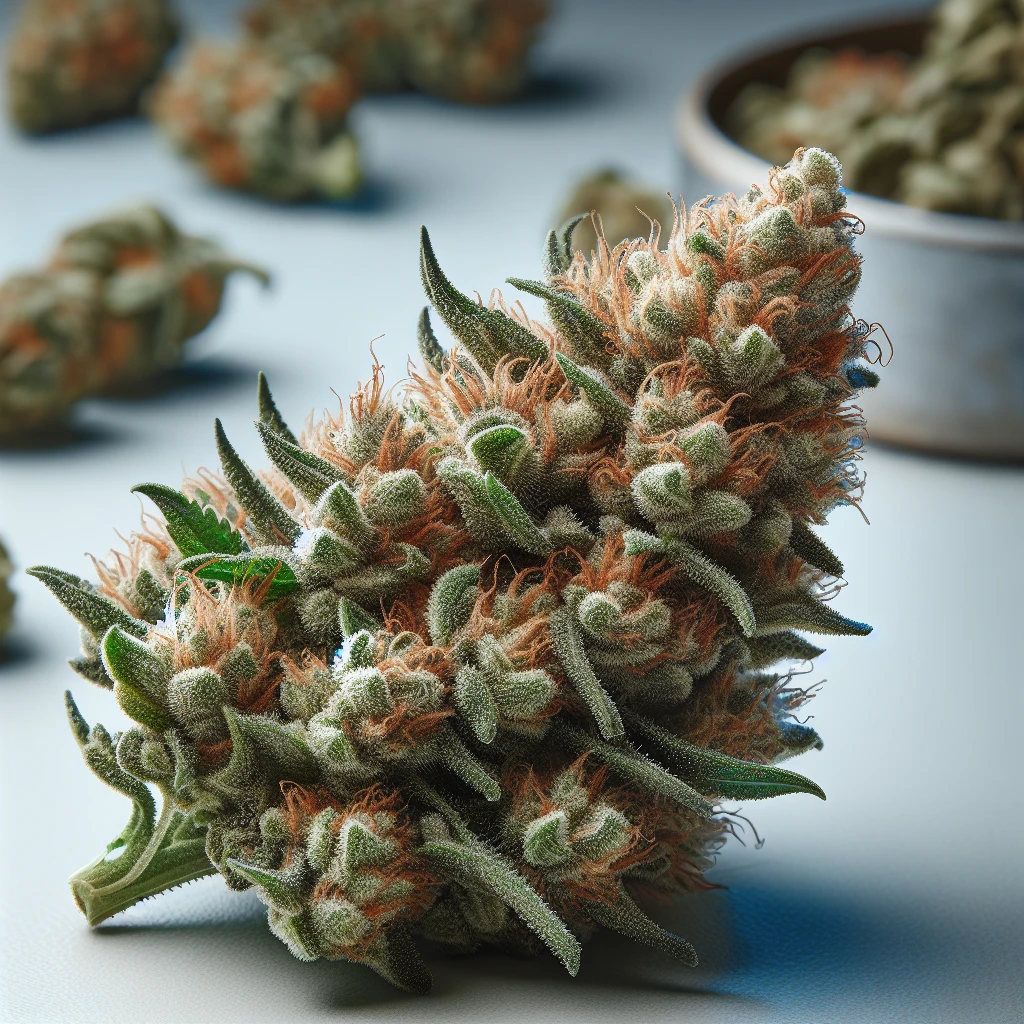
Indica
Hindu Kush
Dive into the rich tapestry of cannabis history with Hindu Kush, a purebred indica renowned for its potent narcotic properties and exceptional resin production. From its origins in the Kush mountain range, this strain has captivated enthusiasts with its early maturation, heavy resin output, and impressive yields, making Hindu Kush seeds a prized possession among cultivators worldwide.
THC: 15-20%
View Details
Hybrid
Honey Pam
From Grateful Seeds comes Honey Pam, a sativa-forward hybrid clocking 17–22% THC that earns its name through a terpene profile dominated by sweet florals, tropical fruit, and a warm, almost honeyed earthiness. The genetics run approximately 70% sativa to 30% indica, producing a plant that grows stocky and compact—rarely exceeding 100 cm indoors—while delivering an effect profile that skews decisively upward: sociable, gently euphoric, and built for conversation rather than the couch. The high hits quickly and opens with a mood-brightening head effect that stays clear and functional for hours. Where many hybrids in this THC range start sharp and fade fast, Honey Pam's sativa dominance keeps the experience running at a steady, pleasant tempo—a quality growers and consumers alike consistently note in community reviews. The indica fraction provides just enough physical warmth to round out the experience without pulling toward sedation. Honey Pam finishes flowering in 9–10 weeks, making it a natural fit for growers running back-to-back indoor cycles through a long New England winter. In Boston, MA, where the growing season outside runs roughly mid-May to late September, Honey Pam can go outdoors in a greenhouse or under supplemental lighting and still finish comfortably before temperatures become a concern—its mold resistance is noted as strong, which matters when late-September coastal fog settles in along the harbor. Grow Characteristics Height: approximately 100 cm indoors, 150 cm outdoors Flowering: 9–10 weeks THC: 17–22% | CBD: up to 0.8% Pest and mold resistance: high Difficulty: beginner-friendly Its compact structure means Honey Pam fits neatly within Massachusetts home-grow canopy limits without requiring aggressive topping or heavy LST work. First-time growers will find it forgiving at every stage—the genetics hold up through minor environmental fluctuations, and the plants respond well to simple organic soil mixes. The final product cures to a dense, resinous flower with a sweet floral-tropical fragrance that sets it apart from earthier hybrid choices in this catalog.
THC: 17-22%
View Details
Hybrid
Hypnotik
MAC and Gorilla Diesel #3 is a pairing that could have gone heavy and one-note, but Hypnotik leans into its MAC heritage with surprising lightness—upbeat, clear-headed, and sociable before any deep sedation arrives. The buds stack dense and well-structured with strong resin production, and the flavor lands on sweet berry and cake with a clean diesel undercurrent courtesy of the Gorilla Diesel side. THC comes in at 16–19%, which makes Hypnotik genuinely accessible without sacrificing depth of experience. Effects run lively and engaging in the first hour. Conversations flow easily, creative threads open up, and the body stays present and comfortable rather than locked down. As the session progresses, the indica component from both parents begins to express itself more clearly—a warm physical ease builds that resolves into relaxation without the aggressive sedation common in heavier hybrids. Hypnotik earns its name gradually: not a knockout punch, but a slow, pleasant drift. Growing Through a Boston Winter Hypnotik flowers in 10–11 weeks, making it a natural fit for indoor tent cultivation—the kind of long-winter grow cycle that's practically a tradition for serious home cultivators in Boston, MA. The variety is described as compact and vigorous, which suits the space constraints of apartment or basement setups common in Boston's densely built neighborhoods. Strong lateral branching means low-stress training pays off in noticeably better canopy coverage and more even light penetration. Plants finish short enough to manage in standard 5-foot tents. Strain type: Hybrid (MAC x Gorilla Diesel #3) Flowering time: 10–11 weeks THC: 16–19% Grow difficulty: Beginner to intermediate; compact structure suits indoor tents Watch for slight foxtailing at the tip of the main cola late in flower—a MAC trait that can be managed by keeping temperatures below 78°F and avoiding heat stress in the final two weeks. Properly cured, the buds deliver a sweet, berry-cake smoke that lingers on the palate long after the bowl is finished.
THC: 16-19%
View Details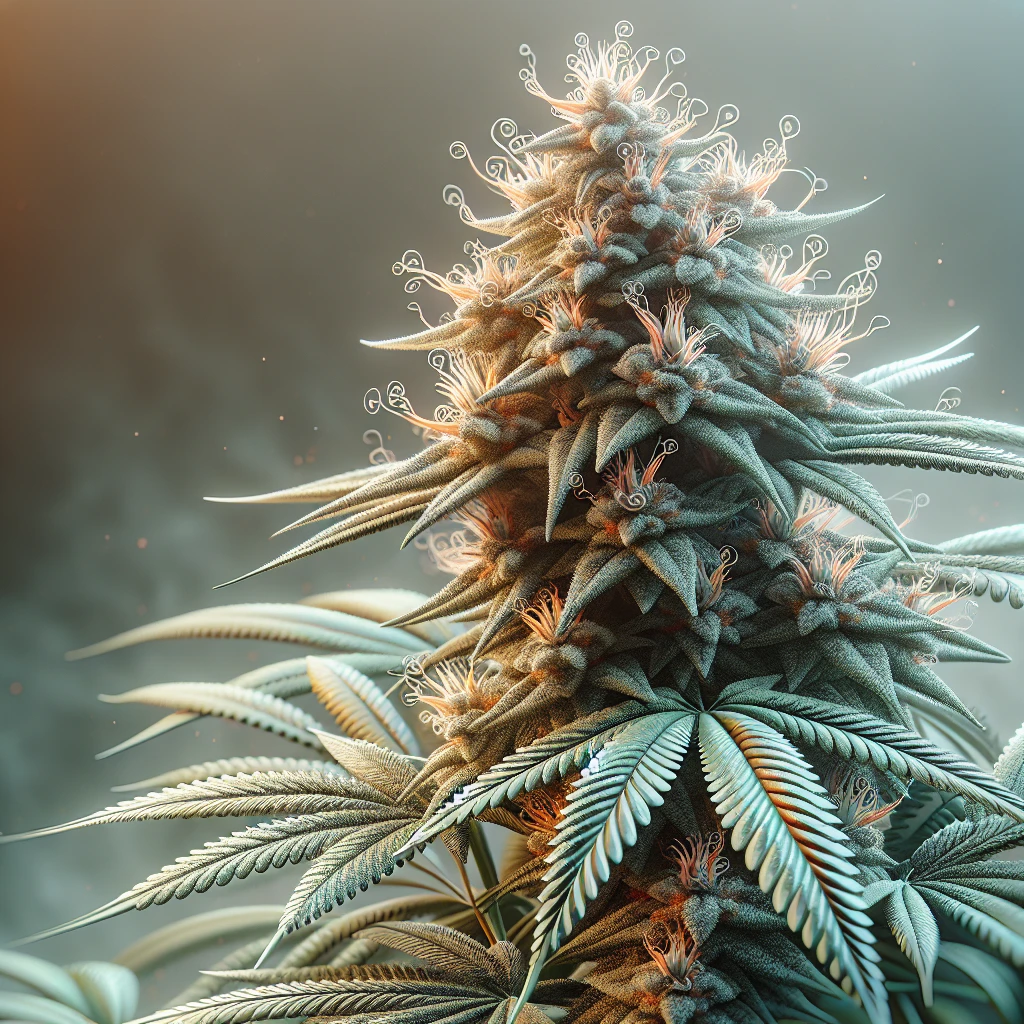
Sativa
Jack Herer
Named for the cannabis activist and author whose writing shaped the legalization conversation for a generation, Jack Herer carries a lineage equal to its reputation: a three-way cross of Haze, Northern Lights #5, and Shiva Skunk, developed by Sensi Seeds to combine cerebral sativa elevation with meaningful resin production. The result is a sativa-dominant hybrid — roughly 55% sativa — that delivers 18–24% THC with a clear, energized mental state that has made it a foundational strain in dispensaries and home gardens since the 1990s. The terpene profile is built around terpinolene, myrcene, and pinene, which produces an aroma that reads as fresh pine mixed with floral sweetness and a spicy herbal undertone. On the exhale, that same brightness stays present — clean, almost refreshing, without the heavy earthiness of kush-dominant strains. Effects run creative and uplifted, with a clarity that suits daytime use, focused work, or extended social settings. The body is present but secondary — this strain motivates rather than sedates. Jack Herer flowers in 8–10 weeks indoors and pushes toward late September or early October for outdoor harvests. That timing is meaningful for cultivators in the Northeast: outdoor growers in Boston, MA work with a seasonal window that closes fast. New England's first killing frost can land anywhere from late October in a warm year to early October after a cold summer, and a strain that finishes by late September gives outdoor growers a genuine cushion — harvest before the cold, without rushing the final weeks of resin development that define Jack Herer's quality. Indoor grows benefit from the strain's hybrid structure. Jack Herer grows tall and benefits from early topping to manage height, particularly in tent setups where vertical space is the limiting factor. The dense, resin-coated buds respond well to a stable temperature and consistent airflow, and the trichome production rewards growers who let the plant reach full maturity before cutting. Jack Herer is one of those rare strains that rewards both the first-time seed buyer and the seasoned cultivator looking for reliable, high-quality output. Its legacy is earned — every grow is a chance to understand why this cultivar has remained relevant through decades of cannabis breeding innovation.
THC: 18-24%
View Details
Hybrid
Jack Herer Autoflower
Jack Herer Auto is a celebrated strain, known for its perfectly sized, sativa-dominant plants and impressive yields. With a short lifespan of just 9 weeks, this strain can produce yields of 400-500 grams per square meter, making it ideal for commercial growers. Despite its strong effects, Jack Herer Auto offers a balanced experience, combining the best of indica and sativa without being overpowering.
THC:
View Details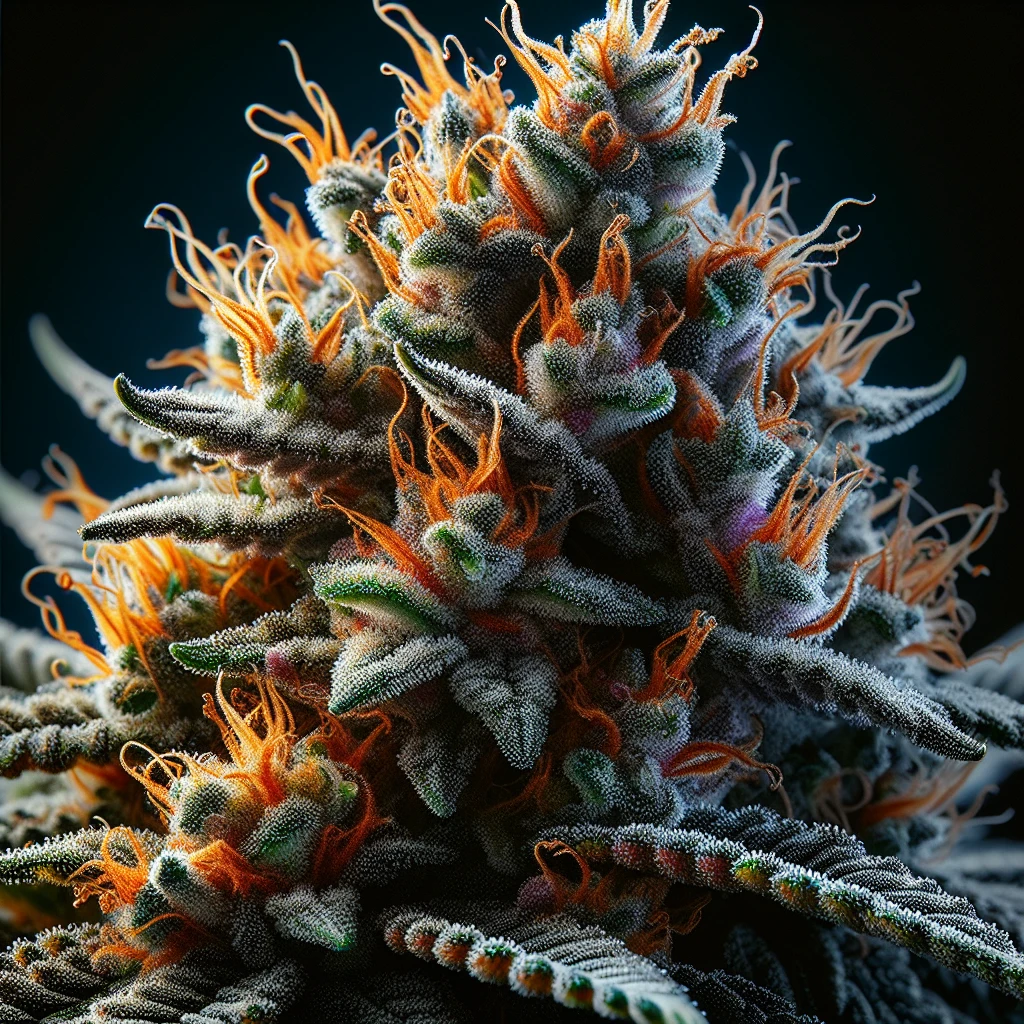
Hybrid
Jealousy
Few strains to emerge from the modern California breeding scene have generated as much sustained attention as Jealousy. Bred by Anthony Hart (JBeezy) of Seed Junky Genetics using Sherbet Bx1 crossed with Gelato 41, it debuted around 2019 and earned the Leafly Strain of the Year in 2022 alongside a second-place finish at the California High Times Cannabis Cup that same year. The combination of two heavy-hitting dessert-lineage parents produced something genuinely distinct rather than a simple sum of its parts. Terpene analysis consistently shows caryophyllene as the dominant compound, followed by limonene and myrcene. Caryophyllene lends a subtle pepper-and-spice warmth, while the limonene underpins the sweet, slightly sour Gelato nose that co-breeder Berner famously described as "Gelato times 100." On the palate the experience is earthy and funky with a fuel edge — not a straightforward candy sweetness but something layered and complex. THC typically lands between 18–23%, with some cuts testing higher. The effects profile is balanced in a way that surprises growers expecting a purely sedating indica-leaning hybrid. Consumers regularly report mental relaxation paired with a physically energized, somewhat euphoric state — making Jealousy workable across different parts of the day. The comedown is gradual, making it approachable for intermediate consumers rather than being strictly for high-tolerance veterans. Jealousy finishes in 10–11 weeks, a moderately long photoperiod cycle that rewards patience. Dense, resin-coated buds are the payoff. For Boston, MA indoor growers who run a heated tent through the region's long winters, the extended flowering time is a non-issue — a November start can be timed to harvest before the New Year, or a spring flip can line up a harvest with early summer. Yields are above average for its class, and the trichome density makes it a solid candidate for home processing as well as fresh-cut enjoyment.
THC: 18-23%
View Details
Hybrid
Jealousy Autoflower
Jealousy Autoflower seeds offer a rewarding cultivation experience with their robust growth, high yields, and flavorful, potent buds. Whether you are a beginner or an experienced grower, this strain delivers a straightforward cultivation process and a high-quality harvest that is sure to impress. This autoflowering variety encapsulates everything that made the original photoperiod Jealousy great, but in a more accessible and easy-to-grow package.
THC:
View Details
Indica-dominant Hybrid
Jenny Kush
Jenny Kush carries a name with meaning. Created by Rare Dankness as a tribute to cannabis advocate Jenny Monson-Frieda, who died in a car accident in 2013, the strain honors her commitment to cannabis reform through a cultivar that is genuinely worth growing. The cross — Amnesia Haze over Rare Dankness #2 — pulls together sativa intensity from the Haze lineage and the resin-heavy, grounding character of the Rare Dankness male, landing somewhere in indica-dominant hybrid territory that still carries a lively cerebral edge. The terpene backbone is built on caryophyllene, humulene, and terpinolene. Lemon-lime aromatics dominate the nose, backed by subtle earth and pine. Despite the Haze parentage, the citrus reads clean and slightly sweet rather than acrid or fuel-forward. Potency is real: labs regularly report 18–21% THC with low CBD, and the onset is described as euphoric and uplifting before settling into a deeper body relaxation — a profile that functions well from late afternoon into evening. The flowering window of 7–8 weeks (roughly 60–70 days) is one of Jenny Kush's practical advantages. At medium height and with strong trichome production, it grows well indoors under standard setups and handles both soil and hydro without demanding specialized techniques. The short cycle also makes it attractive for indoor cultivators who want to maximize the number of harvests per year in a limited-space setup. For growers in Boston, MA the short flowering window has real value during the outdoor season. Massachusetts's frost-free window along the coast is tighter than many assume — a late-May plant flip and a mid-August harvest is achievable with a Jenny Kush pheno that finishes in 7–8 weeks, well ahead of the autumn humidity that can drive bud rot on thicker-structured strains. The medium plant height also keeps things discreet on a rear porch or garden plot while staying comfortably within the state's six-plant home-grow limit.
THC: 18-21%
View Details
Indica-dominant Hybrid
Khalifa Kush
Few strains carry lineage as immediately recognizable as Khalifa Kush, a highly refined OG Kush descendant — some taxonomists classify it as a direct backcross — developed with meticulous phenotype selection over years of cultivation. The result is a cultivar that distills classic OG character into something tighter and more consistent: that unmistakable kerosene-kush base softened by lemon, pine, and a savory pepper note on the exhale. Dominant terpenes myrcene, caryophyllene, and limonene create a scent profile that hits immediately and lingers in the room long after the session ends. Despite its indica-dominant hybrid classification — with THC ranging 20–24% — Khalifa Kush leans more uplifting than sedating through most of its duration. Users report a mood-elevating, creative head space early on, backed by the progressive physical relaxation that OG genetics reliably deliver. It earns its reputation as an evening strain that doesn't shut you down immediately: there's a productive window before the body high takes full hold. Outdoor Timing for New England Growers With a 7–8 week flowering time, Khalifa Kush is one of the faster-finishing indica-dominant varieties available, and that speed matters enormously for outdoor cultivators north of Providence. Growers running plots around Boston, MA who flip to flower in early-to-mid August can realistically pull a harvest in late September — just ahead of the first hard frost that typically arrives in the first or second week of October across eastern Massachusetts. That timing window is tight, and a fast-finishing strain like this makes the difference between a complete outdoor cycle and a race against the calendar. Strain type: Indica-dominant Hybrid (OG Kush lineage) THC: 20–24% | CBD: 0.1–0.8% Flowering time: 7–8 weeks Key terpenes: myrcene, caryophyllene, limonene Humidity management: keep RH below 45% in late flower The plant grows with a lanky, vine-like structure and produces dense, glassy, trichome-heavy colas that benefit from SCROG training or multi-tier trellis support to manage the vertical stretch. Feed calcium and magnesium heavily through the bloom transition, and maintain strong airflow around those tight buds. The finished flower is exactly what OG enthusiasts expect: fuel-forward, resinous, and potent without being one-dimensional.
THC: 20-24%
View Details
Hybrid
LA Kush Cake
LA Kush Cake sits at the intersection of two of Seed Junky Genetics' most celebrated builds: Kush Mints and Wedding Cake. Kush Mints itself comes from Animal Mints crossed with Bubba Kush, bringing a clean, cool mintiness and heavy resin production, while Wedding Cake (Triangle Kush × Animal Mints) contributes vanilla and dough aromatics along with dense, tightly stacked bud architecture. The combination produces a hybrid whose complexity rewards attention on every exhale. Limonene, caryophyllene, and myrcene anchor the terpene profile. On the nose the strain leads with minty, peppery sweetness — the Kush Mints influence is unmistakable — before a wave of vanilla and warm dough closes things out. It is a dessert-style cultivar in the fullest sense without tipping into cloying territory. Potency lands in the 20–25% THC range with negligible CBD, and the effects play out as a warm, tingly body stone paired with an uplifting cerebral uplift that eases stress without locking users to the couch. LA Kush Cake is considered moderately easy to grow, finishing in approximately 7–8 weeks of flower. Buds are characteristically dense with red-orange pistils threading through a heavy trichome coat. Indoor yields are above average for a hybrid in this class, and the compact structure responds well to training techniques like low-stress training or light defoliation to open up the canopy. Boston, MA growers working a home indoor tent through the region's long winters will find LA Kush Cake a rewarding project: the relatively short flower cycle allows growers to complete two full runs between October and April without rushing the schedule. The strain's density does call for good airflow management in humid conditions — humidity control matters in New England's wet autumns if running a late-season outdoor crop, so a grow tent with proper ventilation is the safest route for consistent results.
THC:
View Details
Hybrid
LA Kush Cake Autoflower
LA Kush Cake Autoflower brings the Kush Mints × Wedding Cake foundation of the original photoperiod strain into an autoflowering format by introducing Ruderalis genetics. The result is a plant that flowers on age rather than light schedule, completing its full seed-to-harvest cycle in approximately 9–10 weeks. At 60% indica and 40% sativa, the auto version preserves the parent strain's dense bud structure, vanilla-and-mint aroma, and 20–23% THC potency while shedding the dependency on a seasonal light flip. Terpene character remains close to the photoperiod namesake — limonene, caryophyllene, and myrcene dominate, producing that layered minty-sweet-peppery nose with a warm vanilla finish. The autoflower body tends to stay compact, topping out around 80–110 cm depending on environment, which makes container cultivation practical without sacrificing meaningful yield. Growers typically see around 300 g/m² indoors under a consistent 18–20 hours of light per day. The effects follow the indica-leaning hybrid pattern: an initial cerebral uplift that loosens tension and elevates mood, followed by a progressive physical relaxation that deepens over the session. It is accessible enough for intermediate users while still delivering the potency that makes the LA Kush Cake name worth seeking out. Why the Auto Version Suits Boston Growers Short-season outdoor harvest: Boston, MA's frost-free growing window runs roughly late May through mid-October. A seed started in late June can complete its full cycle by mid-September — safely ahead of the coastal humidity and early frosts that arrive in October. Multiple runs possible: Two consecutive outdoor container grows are feasible in a single Massachusetts summer when using a 9–10 week autoflower rather than waiting on a photoperiod plant's fall trigger. Stealthy size: Plants under 1 m tall fit discreetly on a Boston patio or rooftop deck, staying within the state's six-plant home-grow allowance without dominating the space. LA Kush Cake Autoflower is described as beginner-friendly, and the Ruderalis influence adds inherent resilience to minor environmental stress — a useful trait given New England's unpredictable spring and early-fall temperature swings. For growers who want the celebrated LA Kush Cake flavor and potency without tying their grow to a photoperiod schedule, this autoflower version delivers on every count.
THC: 20-23%
View Details
Hybrid
LSD Autoflower
LSD Autoflower seeds offer an exciting and rewarding cultivation experience, combining the potent effects and resilience of the original LSD strain with the ease of autoflowering genetics. This strain is ideal for both novice and experienced growers, providing robust growth, high yields, and a unique, potent high. LSD Autoflower is known for its strong psychoactive effects and therapeutic benefits, making it a top choice for those seeking a powerful and flavorful cannabis experience.
THC:
View Details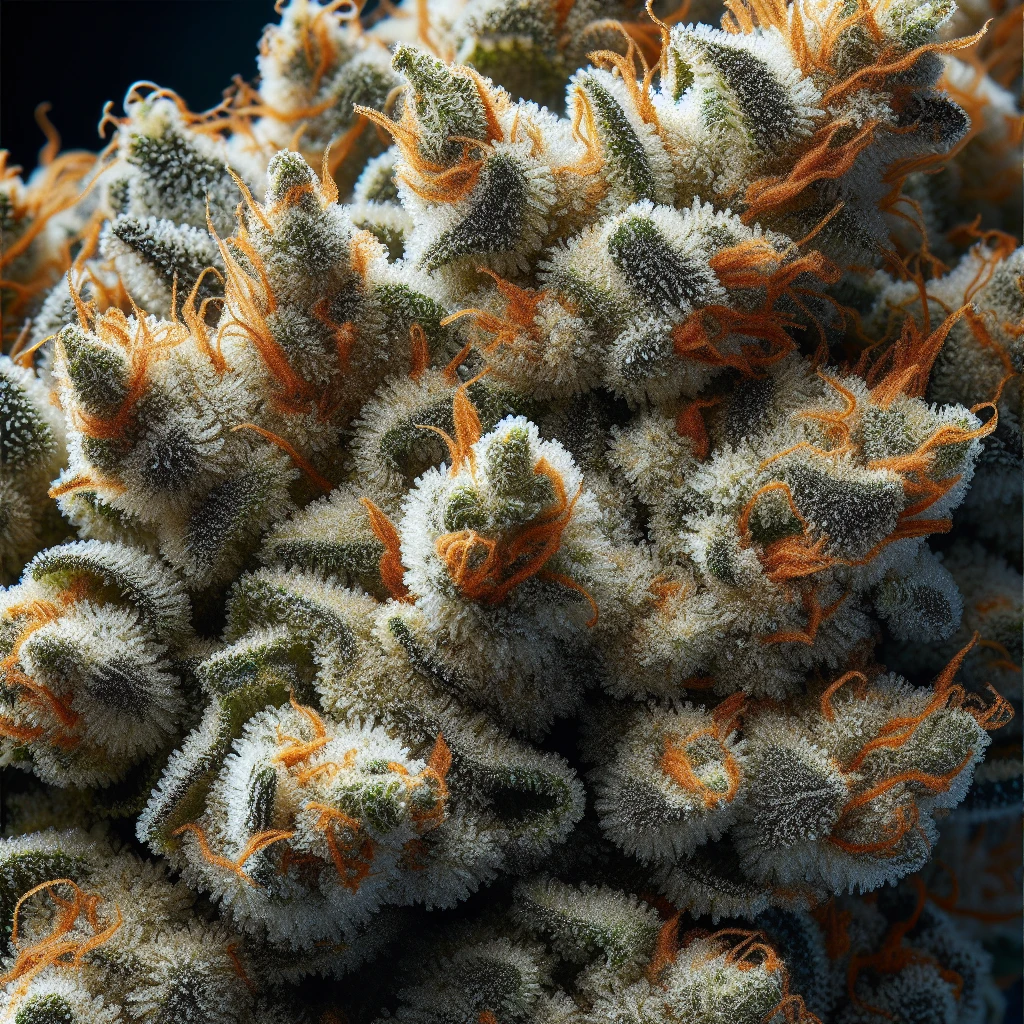
Hybrid
Lemon Batter
Few strains manage to smell like both a citrus tart and a diesel engine at the same time, but Lemon Batter pulls it off. Bred from BananaPunchGMO#2 and Gorilla Diesel#3, this hybrid carries a lineage that explains everything on the nose: ripe tropical citrus from the Punch side, fuel and funk from the GMO and Diesel genetics underneath. THC sits at 18–23%, and the dominant terpenes — myrcene, caryophyllene, and limonene — give the flavor a sweet, cakey sharpness that ends on a gassy exhale. The effects land firmly on the relaxing end of the spectrum. Lemon Batter eases into a calm, happy body state that progressively deepens into something heavier — couch-lock territory for some users, especially at higher doses. It's a strain people reach for after a long day, when the goal is genuine decompression rather than stimulation. The 9–10 week flowering window and hybrid structure make it versatile enough for indoor cultivation across a range of setups. Autumn humidity is a legitimate concern for anyone growing cannabis outdoors or in unsealed structures along the New England coast, and Boston, MA sits in a microclimate that can see relative humidity spike into the 70s through September and October. Lemon Batter's dense bud structure — dense enough to trap moisture if airflow is neglected — means growers here should treat humidity management as a non-negotiable part of the grow plan. Oscillating fans, strategic defoliation in week four of flower, and a dehumidifier in any enclosed space will protect those heavy, resin-loaded colas through the finish. Indoor growers working through the Boston winter will find Lemon Batter responsive to consistent feeding and stable temperatures in the low-to-mid 70s Fahrenheit. The sweet citrus-diesel aroma develops fully in the final two weeks of flowering, making the cure just as important as the grow — a slow, 60–65°F cure in a controlled space locks in that cakey lemon character that defines the strain at its best.
THC: 18-23%
View Details